 Skip to content

Door to door air freight covers a wider service scope than airport-to-airport shipping, but the quote must define every handover. Compare pickup, terminal handling, customs work, final delivery and unloading—not just the flight price. Keep the logistics booking separate from the sales contract, and confirm who pays any excluded charges. [1][2]
1. Compare the service boundaries, not just the names
For a China exporter or overseas buyer, the useful question is: “Which tasks does this price include?” IATA distinguishes airport-to-airport airline charges from services such as pickup, customs clearance, terminal handling, storage and delivery, unless those services are expressly included. A low flight charge therefore does not establish a low total shipment cost. [2]
The comparison below is a quote-review framework, not a promise that every provider uses these labels identically. Request written inclusions, exclusions and responsibility at each handover. This recommendation follows from the separate handling stages and charge categories described by IATA. [1][2]

| Task or cost | Airport-to-airport booking | Door to door air freight booking | What to confirm |
|---|---|---|---|
| Collection in China | Arrange separately unless included | Request collection from the exact address | Loading, access and collection charges |
| Origin terminal handling | Check separately from the flight price | Require explicit inclusion or exclusion | Acceptance, handling and storage charges |
| Air transport | Core airport-to-airport component | One component of the wider service | Route assumptions and quoted cargo details |
| Destination terminal release | Assign to the buyer or its agent | Ask who coordinates and pays | Handling, release and possible storage costs |
| Import clearance | Specify a separate arrangement | Do not assume every customs task is included | Broker, importer, documents and duties |
| Delivery and unloading | Arrange beyond the airport scope | Define the actual delivery endpoint | Appointment, access, equipment and unloading |
2. Map the handovers from factory to receiving site
IATA describes cargo handling as a sequence extending from delivery at the origin airport through preparation for loading, unloading at destination and handover to the consignee or freight forwarder. Acceptance involves several participants, including trucking and ground-handling providers. Treating “the airline has it” as the whole process misses these separate steps. [1]
Use the following checklist before approving a booking. It is a practical recommendation from those handling stages and from the charges that may sit outside the airline tariff. Record both the operational contact and the party paying for each task. [1][2]
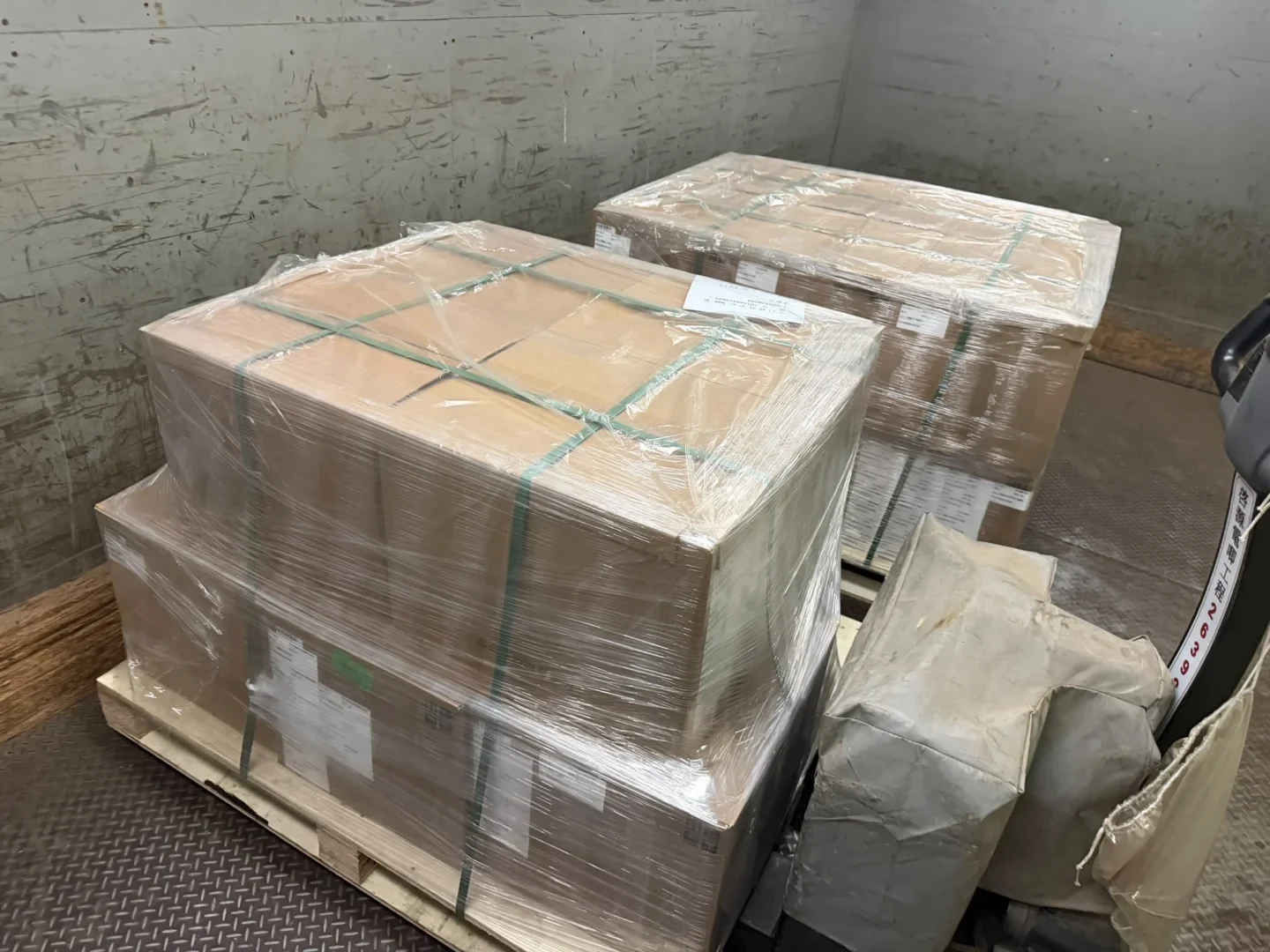
- Factory collection: confirm address, cargo readiness, vehicle access and who loads.
- Origin acceptance: identify who delivers to the terminal and resolves cargo discrepancies.
- Origin charges: ask which terminal services are included and what triggers storage.
- Destination handover: identify the receiving agent and release contact.
- Customs: name the clearance provider and confirm who supplies and approves documents.
- Importer role: confirm the lawful importer arrangement; do not infer it from the courier or broker’s involvement.
- Final delivery: specify the full address, booking requirements and receiving hours.
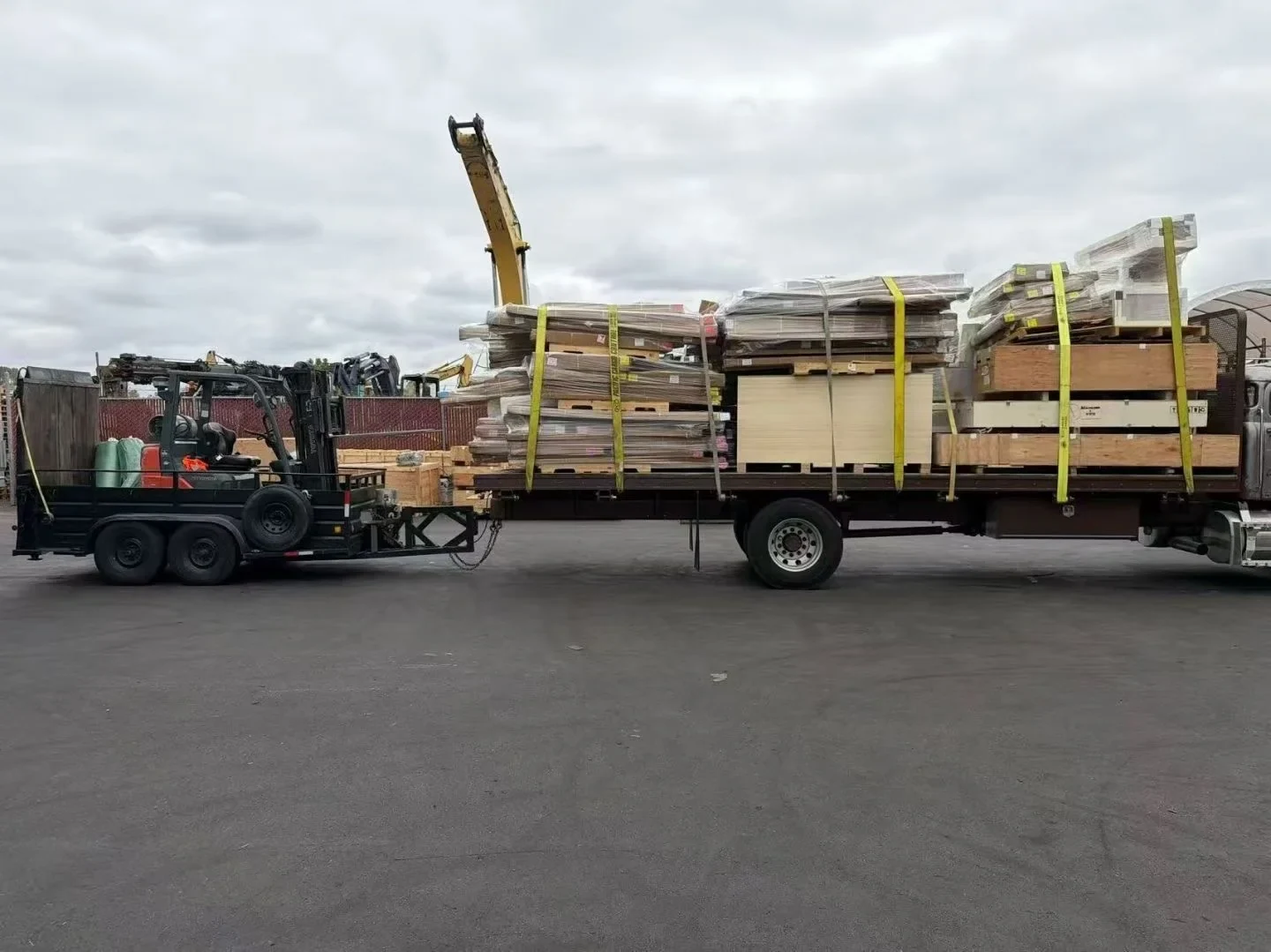
- Unloading: state who provides labour and equipment, and where the carrier’s task ends.
- Exceptions: agree who authorises extra work and receives supporting invoices.
Make unloading a separate confirmation rather than relying on “delivery included.” Ask whether the proposed endpoint is a vehicle arrival, unloading area or another agreed location. This is a scope-control recommendation: the available guidance describes airport handovers, but does not establish a universal definition of delivery at the buyer’s premises. [1]
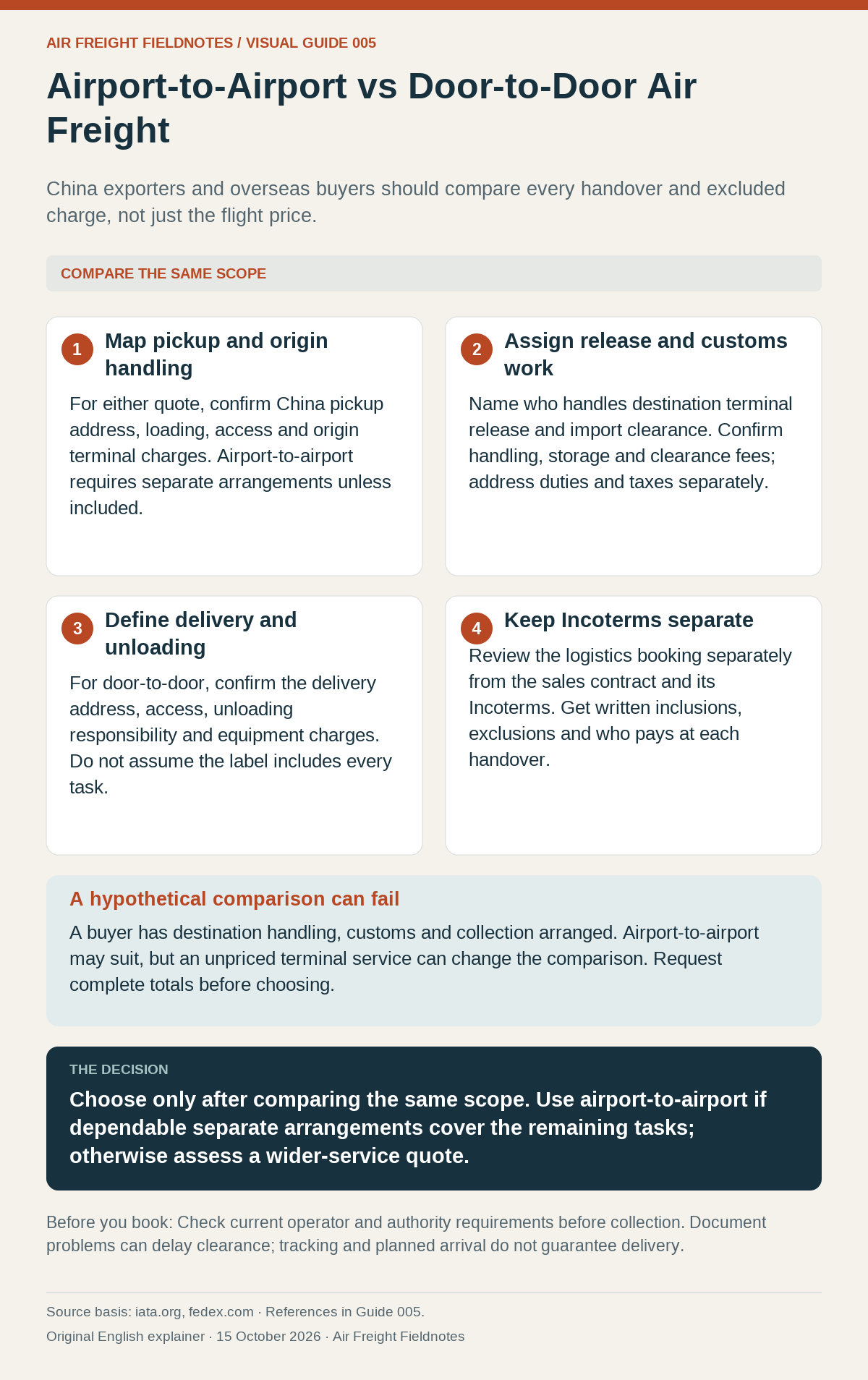
Read the infographic as text
China exporters and overseas buyers should compare every handover and excluded charge, not just the flight price.
- Map pickup and origin handling For either quote, confirm China pickup address, loading, access and origin terminal charges. Airport-to-airport requires separate arrangements unless included.
- Assign release and customs work Name who handles destination terminal release and import clearance. Confirm handling, storage and clearance fees; address duties and taxes separately.
- Define delivery and unloading For door-to-door, confirm the delivery address, access, unloading responsibility and equipment charges. Do not assume the label includes every task.
- Keep Incoterms separate Review the logistics booking separately from the sales contract and its Incoterms. Get written inclusions, exclusions and who pays at each handover.
A hypothetical comparison can fail A buyer has destination handling, customs and collection arranged. Airport-to-airport may suit, but an unpriced terminal service can change the comparison. Request complete totals before choosing.
Decision: Choose only after comparing the same scope. Use airport-to-airport if dependable separate arrangements cover the remaining tasks; otherwise assess a wider-service quote.
Check current operator and authority requirements before collection. Document problems can delay clearance; tracking and planned arrival do not guarantee delivery.
3. Separate the freight booking from the sales contract
Use two checks: what the logistics provider has agreed to perform, and what the seller and buyer have agreed between themselves. The reason is practical: an airline tariff can exclude substantial services beyond the flight. A broad service label is not a substitute for reconciling the freight quotation with the sales agreement. [2]
In that reconciliation, keep Incoterms separate from the service label. Do not use “door-to-door” as an Incoterm or as an answer to who owns the goods. Incoterms do not determine title. FOB and CIF are sea or inland-waterway terms, not air-freight terms. For a DDP sale, confirm how the seller will handle import clearance and duties through lawful arrangements.
Likewise, record business roles individually rather than assuming one company has only one role. Ask whether the provider is acting as forwarder, clearance representative, delivery coordinator or another party. A courier or customs broker does not automatically become the importer of record. Resolve that point before relying on a door-to-door proposal.
For document control, request accurate goods descriptions, values and consistent shipment details before collection. FedEx’s guide warns that small document errors can cause costly customs delays. Ask the provider what destination-specific documents are needed rather than assuming a standard shipment file will always suffice. [3]

4. Compare complete costs: a hypothetical decision
Hypothetical example: a China exporter is comparing two proposals for one shipment. Assume identical cargo details, delivery address and required service, with no special handling needs. These invented figures illustrate quote comparison only; they are not market rates. The comparison separates flight charges from other services because IATA identifies those as distinct cost categories. [2]
- Option A: airport-to-airport price of 900 currency units, plus 140 for origin services, 180 for destination services and 160 for delivery: 1,380 total.
- Option B: door-to-door price of 1,320 currency units, expressly including those same services.
On those hypothetical assumptions, Option B costs 60 less. But neither proposal includes import duties, taxes, exceptional storage or unloading equipment. The buyer should compare those exclusions before deciding. The arithmetic supports only this fictional comparison; it says nothing about available prices or actual service performance. [2]
The decision fails if the scopes differ. For example, an unpriced terminal service could change the result. A document problem could also delay clearance and disrupt the delivery plan. Ask for revised totals when cargo details or service requirements change, and use tracking to monitor progress rather than treating a planned arrival as an unconditional delivery guarantee. [2][3]
5. Frequently asked questions
Does door to door air freight include every destination charge?
Do not assume so. Require a list covering terminal handling, clearance work, storage, delivery and unloading, with duties and taxes addressed separately. IATA states that airline tariffs exclude several ancillary services unless indicated; the wider quote must explain how those services are covered. [2]
When is airport-to-airport a sensible choice?
As a practical recommendation, it can suit a buyer that already has dependable arrangements for destination handling, customs coordination and collection. Compare the complete cost of those arrangements with the wider service proposal, rather than comparing only the flight prices. [1][2]
What should we verify before collection?
Confirm cargo details, packaging, document readiness, included charges and handover contacts. Ask for suitable packaging advice where needed, and agree how shipment updates will be shared. FedEx highlights document accuracy, product-appropriate packaging and tracking as useful shipment controls. [3]
Sources and further reading
- IATA - What to Know About Air Cargo HandlingPrimary source · Retrieved 15 October 2026
- IATA - Air Cargo Tariffs and Rules: What You Need to KnowPrimary source · Retrieved 15 October 2026
- Air Freight 101: A Simple Guide For SMEs | FedEx Hong Kong SAR, ChinaPrimary source · Retrieved 15 October 2026
Field research
- Reddit field research 1Topic discovery and anecdotal context; not evidence of a general rule.
- Xiaohongshu field research 2Topic discovery and anecdotal context; not evidence of a general rule.
Prepared from the linked primary references and public field research. Field photographs illustrate general handling; worked examples use separate hypothetical figures. Acceptance, charges and destination requirements should be checked against the specific shipment and current operator or authority instructions.