 Skip to content
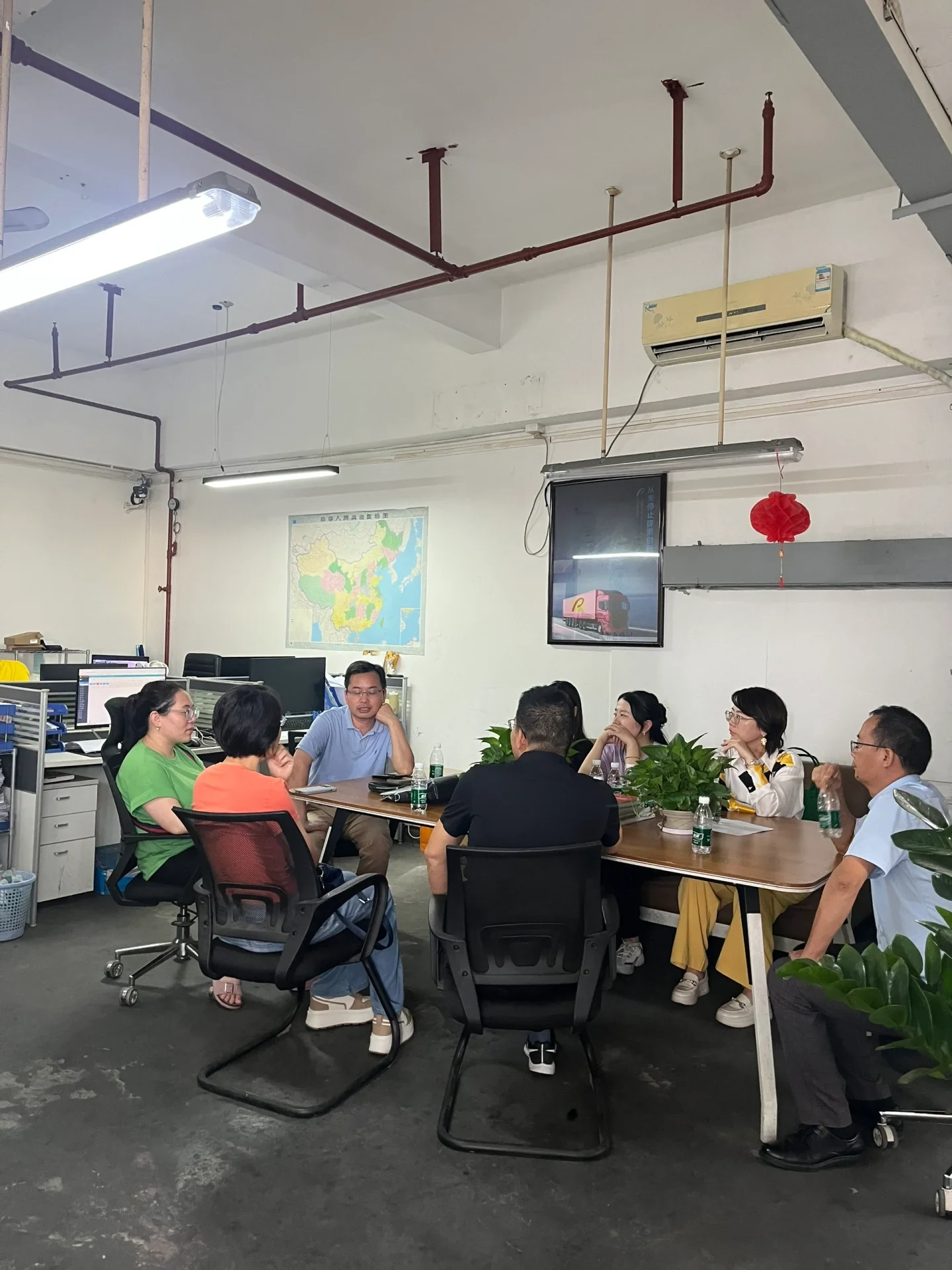
Choose a China air freight forwarder by checking its legal identity, destination partner, cargo acceptance process, itemized quote and named escalation owner. Compare written evidence, not headline prices. First confirm that your goods can be accepted, then compare total scope, responsibilities and exception handling before you authorize collection or payment.
1. Define the shipment before comparing forwarders
Send each candidate the same brief: collection and delivery locations, goods description, intended use, package count, packed dimensions, gross weight, cargo value and required arrival window. Identify batteries, liquids, powders or other features that may require further review. This is a recommended procurement method, not a universal acceptance checklist; actual acceptance must address operator requirements and applicable export, transit and import rules. [1]
Ask candidates to distinguish your preferred delivery date from their proposed service window. Express and economy options may suit different urgency and budget needs, but a service label alone does not explain the proposed scope. Request the routing assumptions, included handling and destination arrangements in writing. [3][1]

For the scorecard below, assume a commercial shipment with known goods, a named buyer and a destination address. If the commodity, packing or import arrangements remain uncertain, treat the quote as provisional. This is a practical recommendation from the need for cargo acceptance and compliant handling, rather than evidence that any particular shipment will be accepted. [1]
2. Use an evidence-based vendor scorecard
The following is a suggested evaluation framework, not an IATA rating system. Score each category from zero to five: zero means no usable answer, three means documented but incomplete, and five means clear, shipment-specific evidence. Multiply the score by the weight divided by five. The categories prioritize acceptance, handling continuity and cost visibility. [1][2]
| Evaluation area | Weight | Evidence to request | Stronger versus weaker answer |
|---|---|---|---|
| Legal identity | 20 | Registered entity details, contracting name, invoice issuer and payment beneficiary | Names reconcile or differences are explained; weaker answers leave you unsure whom you are hiring. |
| Overseas agent | 20 | Destination company, contact, service scope and handover responsibilities | A named party confirms its role; weaker answers merely promise a “global network.” |
| Commodity acceptance | 25 | Written review of goods, packing, dimensions and required supporting information | Acceptance conditions are specific; weaker answers promise carriage before reviewing the cargo. |
| Itemized charges | 20 | Chargeable-weight method, included services, exclusions and conditional charges | The quote can be reconciled to scope; weaker answers offer only a per-kilogram figure. |
| Escalation ownership | 15 | Named owner, backup contact and process for handling exceptions | One person coordinates resolution; weaker answers send you between unrelated contacts. |
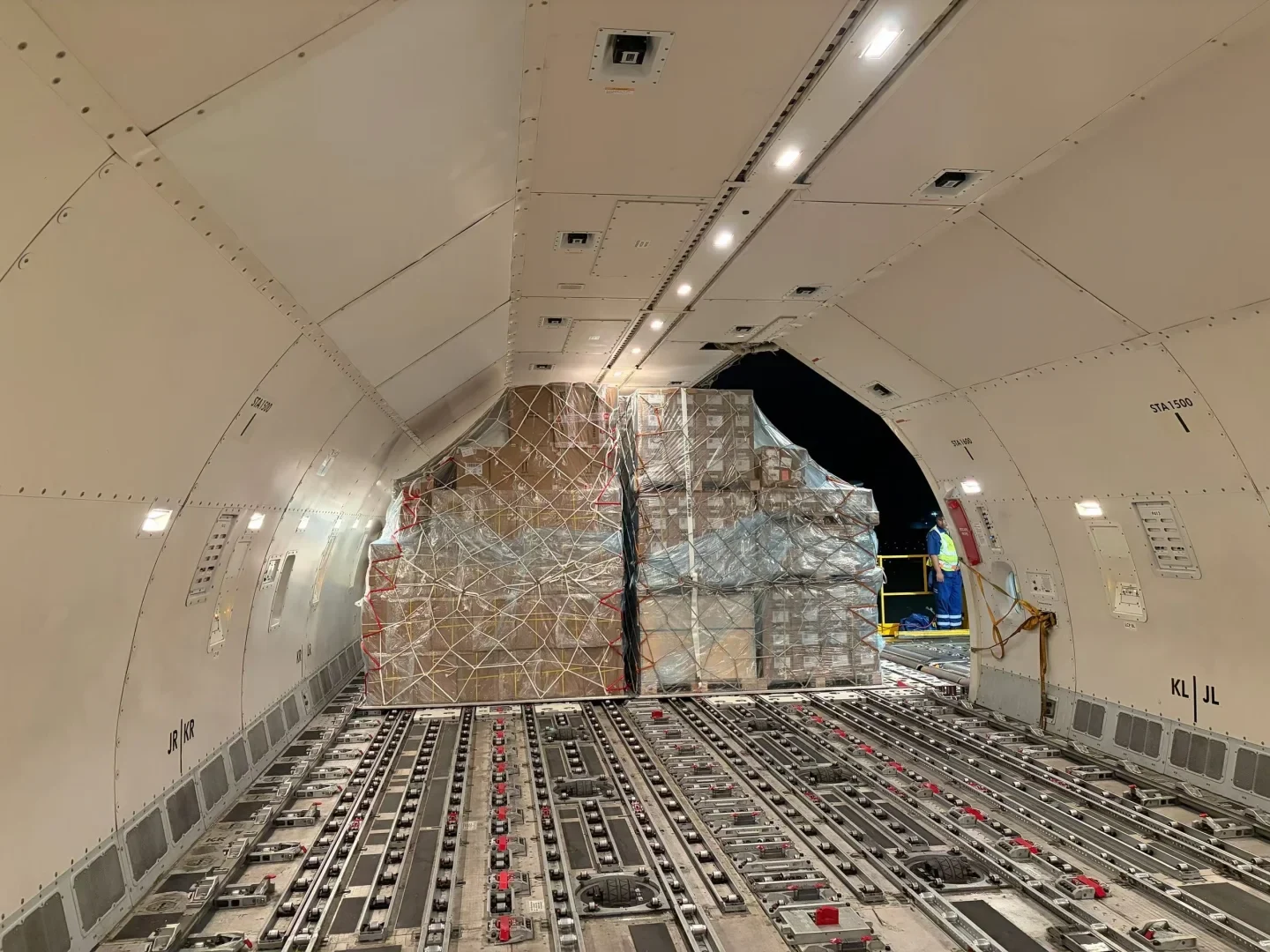
Use the total to compare documented proposals, not to override unresolved risks. A recommended stop rule is to withhold authorization while the contracting identity, cargo acceptance or destination responsibility remains unclear. Acceptance and destination handover are material parts of the handling chain; a low price cannot resolve missing operational information. [1][2]
3. Check who owns each handover
Air cargo handling covers origin-facility processing, preparation for loading, destination unloading and handover to the consignee or freight forwarder. Ask your candidate to map those handovers for your shipment, naming the company responsible at each stage and the person who communicates exceptions. [1]
For legal identity, request entity documents and reconcile the contract, quotation, invoice and beneficiary details. Ask for a written explanation of any mismatch before paying. This is a buyer-control recommendation, not a claim that the cited references prescribe a particular company-verification procedure. Its purpose is to connect quoted obligations and charges to an identifiable counterparty. [2]

Read the infographic as text
Use this vendor scorecard to compare written evidence, not headline rates, before authorizing collection or payment.
- Verify the legal identity. Reconcile the contracting entity, invoice issuer and payment beneficiary. Resolve any mismatch before authorizing collection or payment.
- Check destination and escalation. Confirm the overseas agent's contact and handling scope in writing. Name an escalation owner and backup, and agree how exceptions will be communicated.
- Confirm commodity acceptance. Submit goods details, intended use, packing, dimensions and weight. Flag batteries, liquids or powders. Obtain written conditions; verbal acceptance is not enough.
- Compare itemized charges. Request itemized totals using the same delivery boundary and chargeable-weight assumptions. Record exclusions, conditional charges and who pays each charge.
Hypothetical vendor decision Vendor A quotes less but omits destination handling and relies on an incomplete goods description. Vendor B supplies written scope and acceptance conditions. Keep A provisional until the gaps are resolved.
Decision: First confirm cargo acceptance conditions. Then compare total scope, responsibilities and exception handling. Retain the agreed quote version before authorizing collection.
Check current operator requirements and applicable export, transit and import rules. Uncertain goods, packing or import arrangements make a quote provisional.
For the overseas agent, request a shipment-specific introduction. Ask who receives arrival information, coordinates destination handling, contacts the buyer and arranges any quoted delivery. Have both sides confirm the division of work. This recommended check follows from the importance of destination handover; it does not establish the agent’s legal authority or import role. [1]
Require a named escalation owner for acceptance rejection, revised measurements, missing documents and destination delays. Ask what information triggers an update and who acts when the main contact is unavailable. These are recommended exception controls inferred from the multiple handling steps, not guarantees of response or delivery. [1]
4. Normalize quotes and test the decision
Air cargo rates generally cover airport-to-airport transport, while additional charges can apply. Compare collection, origin handling, carriage, destination handling and final delivery as separate scope items where relevant. Ask which amounts are fixed, estimated, conditional or excluded, and who pays them. A freight rate alone is not a complete delivery budget. [2]
Request the chargeable-weight calculation, measurement units, rounding rules and remeasurement process. If candidates use dimensional divisors of 6000 or 5000, treat those as contractual examples, not universal rules. The practical comparison is the quoted calculation and resulting total, since charges may depend on weight or volume. [2]

Hypothetical worked decision example: A China exporter has eight cartons, each measuring 60 × 40 × 40 cm, with total gross weight of 120 kg. Their combined volume is 768,000 cm³. Candidate A hypothetically quotes a divisor of 6000, producing 128 kg dimensional weight; Candidate B quotes 5000, producing 153.6 kg before any agreed rounding. Assume both contracts charge the higher of gross and dimensional weight. These are hypothetical contractual terms, not standard requirements. [2]
Suppose the suggested scorecard gives A 66/100 and B 91/100. B documents acceptance, identifies its overseas agent and itemizes destination work; A leaves those points unresolved. The provisional decision is B, subject to an acceptable normalized total. It could fail if B’s acceptance depends on inaccurate dimensions or an incomplete goods description. Resolve those inputs before authorization. This decision is hypothetical. [1][2]
Before authorizing collection, complete this checklist: It converts the acceptance and charging issues above into practical purchasing controls. [1][2]
- Reconcile the contracting entity, invoice issuer and payment beneficiary.
- Submit final goods details, packed measurements and gross weight.
- Obtain written acceptance conditions and identify outstanding documents.
- Confirm the destination contact and each party’s scope.
- Compare totals using the same delivery boundary and weight assumptions.
- Record exclusions, conditional charges and payment responsibilities.
- Name the escalation owner and backup; retain the agreed quote version.
5. Frequently asked questions
Should I choose the lowest per-kilogram quote?
Not without comparing scope and chargeable weight. Airport-to-airport carriage and additional services are distinct cost components. A lower unit rate may therefore produce a higher comparable total; request an itemized calculation rather than assuming either outcome. [2]
What if the forwarder accepts my cargo verbally?
Request written conditions tied to the actual goods and packing. Commercial-aircraft cargo passes through acceptance, with operator and applicable country requirements relevant to readiness for carriage. An early verbal response should not replace that review. [1]
Does an express service remove delivery uncertainty?
No unconditional conclusion follows from the label. Express may suit urgent shipments, but acceptance and handling still matter. Ask what the proposed window assumes and how exceptions will be communicated; do not treat the service name as a delivery guarantee. [3][1]
Sources and further reading
- IATA - What to Know About Air Cargo HandlingPrimary source · Retrieved 15 October 2026
- IATA - Air Cargo Tariffs and Rules: What You Need to KnowPrimary source · Retrieved 15 October 2026
- Air Freight 101: A Simple Guide For SMEs | FedEx Hong Kong SAR, ChinaPrimary source · Retrieved 15 October 2026
Field research
- Reddit field research 1Topic discovery and anecdotal context; not evidence of a general rule.
- Reddit field research 2Topic discovery and anecdotal context; not evidence of a general rule.
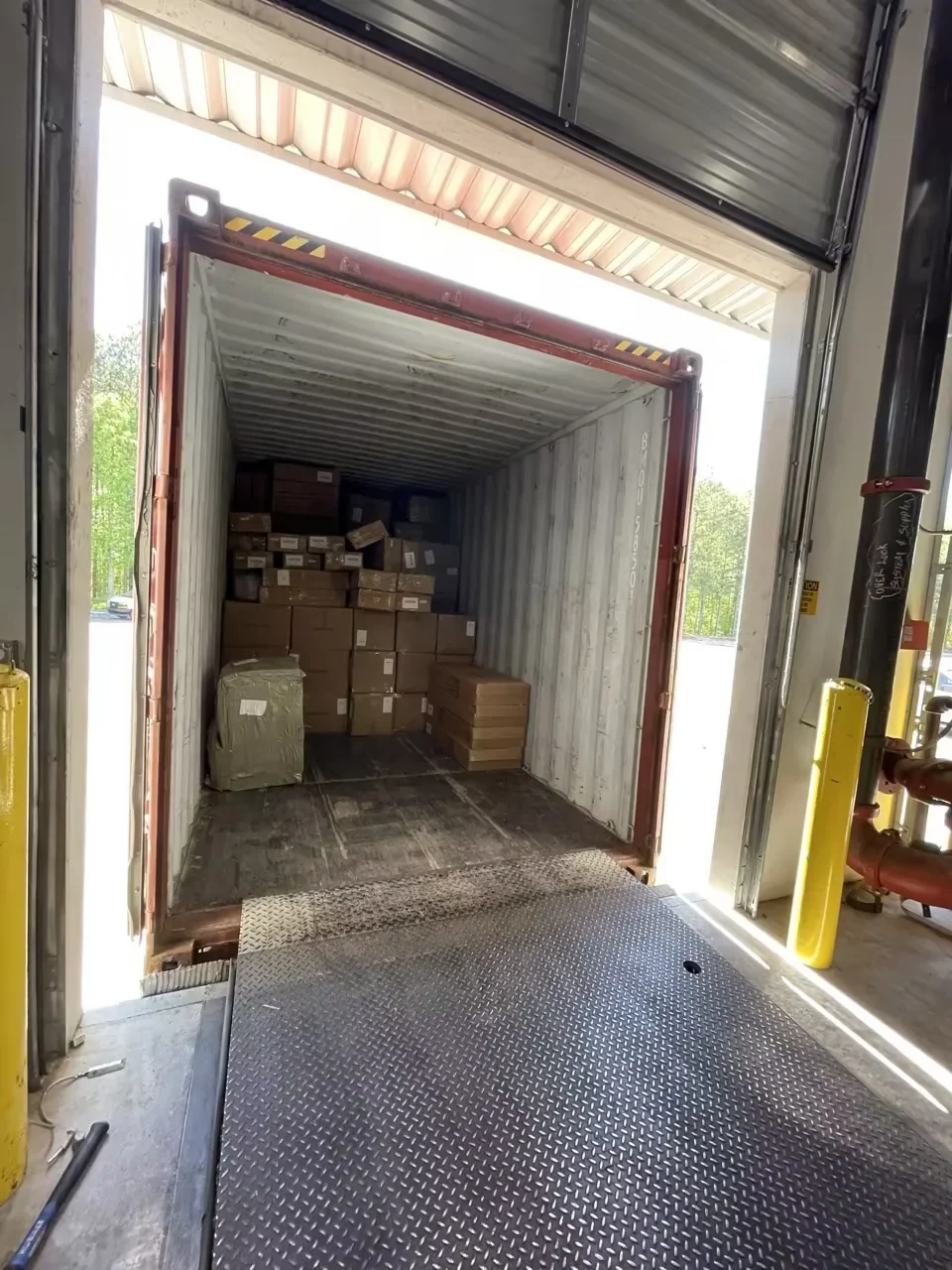
Prepared from the linked primary references and public field research. Field photographs illustrate general handling; worked examples use separate hypothetical figures. Acceptance, charges and destination requirements should be checked against the specific shipment and current operator or authority instructions.