 Skip to content

For US air cargo, identify the importer of record separately from the forwarder, broker, and delivery consignee. Build a documented process for accurate product information, invoice checks, filing instructions, and retained records. Delegating tasks should not replace clear responsibility; confirm the actual import arrangement before the goods leave mainland China. [1][2][3]
Separate the Legal Importer from Transport Roles
When planning a US air import, start with roles, not a door-to-door price. The supplied US air-cargo screening material refers to a consignee number that may be a CBP Importer of Record Number or similar number. That reference does not establish that every transport consignee is the legal importer. [1]
Air AMS consignee information depends on the record type. For consolidated cargo, the master record may identify a container station, express consignment operator, consolidator, or other carrier. For simple and house records, the supplied guidance calls for the name and address of the party receiving the cargo. A forwarder appearing on a master record therefore does not, by itself, establish importer status. [2]
| Role | Main distinction | What to confirm |
|---|---|---|
| Importer of record | The import role, not merely a transport label | Which entity is intended to hold this role and whether the arrangement is valid |
| Forwarder or consolidator | May arrange transport and appear on a master record | Whether its name identifies a transport party rather than the importer |
| Customs broker or filing party | May submit data using customer information | Its authority, instructions, and unresolved data questions |
| House-record consignee | Identifies the party to whom cargo will be delivered | Whether the delivery party and intended importer are the same entity |
| Exporter or seller | Supplies commercial information about the sale | Who will provide and verify invoice and product details |
One business may perform several functions, but do not infer all functions from one name. As an operational safeguard, obtain written confirmation of the intended importer, broker, forwarder, and receiving location. A courier or broker’s participation alone is not proof that it has accepted the importer role. This is a practical recommendation from the distinct parties described in the sources. [1][2]
Turn Reasonable Care into Product-Data Checks
The cited guidance do not define the full US legal standard of reasonable care. For this guide, the term describes a practical control process: obtain reliable information, question inconsistencies, and document decisions. This is an operational recommendation, not a complete statement of customs law. [1][3]
Begin with the commercial invoice. The supplied export-document guidance describes it as the seller’s bill to the buyer, identifying the goods and the amount payable. It is also a main document used by customs when determining duties. An unclear description or unexplained price difference is therefore worth resolving before filing. [3]
As a recommended product-data package, request model numbers, plain-language descriptions, intended use, materials, quantities, and supporting specifications. Ask the broker which additional information is needed for classification, origin, valuation, and product-specific review. These are planning suggestions; the available guidance does not establish a universal mandatory field list. [3]
Assume neither that every air shipment needs identical documents nor that an invoice alone is enough. The source explicitly notes that some products or shipments require special export documents and recommends starting with the foreign customer/importer or freight forwarder. Confirm requirements for the actual goods and transaction. [3]
Delegate Filing, but Keep Instructions and Records
The screening material recognizes that carriers, forwarders, customs brokers, and service centers may file data using information associated with the actual shipper. It also describes customer information maintained by logistics providers. This supports a useful distinction: the party transmitting information may not be the party best placed to verify its commercial accuracy. [1]
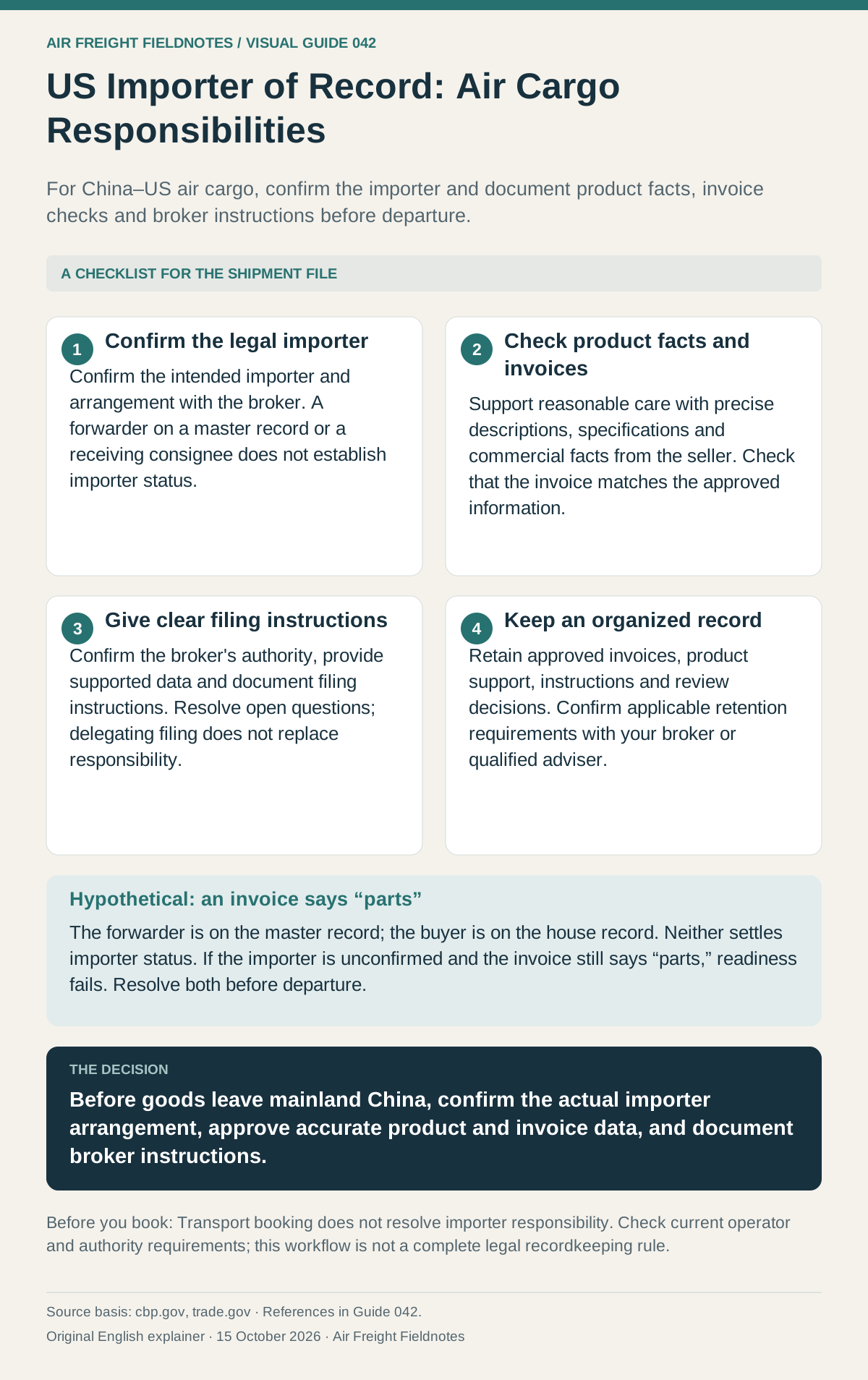
Read the infographic as text
For China–US air cargo, confirm the importer and document product facts, invoice checks and broker instructions before departure.
- Confirm the legal importer Confirm the intended importer and arrangement with the broker. A forwarder on a master record or a receiving consignee does not establish importer status.
- Check product facts and invoices Support reasonable care with precise descriptions, specifications and commercial facts from the seller. Check that the invoice matches the approved information.
- Give clear filing instructions Confirm the broker's authority, provide supported data and document filing instructions. Resolve open questions; delegating filing does not replace responsibility.
- Keep an organized record Retain approved invoices, product support, instructions and review decisions. Confirm applicable retention requirements with your broker or qualified adviser.
Hypothetical: an invoice says “parts” The forwarder is on the master record; the buyer is on the house record. Neither settles importer status. If the importer is unconfirmed and the invoice still says “parts,” readiness fails. Resolve both before departure.
Decision: Before goods leave mainland China, confirm the actual importer arrangement, approve accurate product and invoice data, and document broker instructions.
Transport booking does not resolve importer responsibility. Check current operator and authority requirements; this workflow is not a complete legal recordkeeping rule.
Use a written task split. Ask the exporter to substantiate product and sale details; ask the buyer to confirm the purchasing arrangement and intended importer; ask the broker to identify missing information and explain proposed filing treatment. This is a recommended workflow inferred from the sources, not a source-prescribed allocation of legal duties. [1][3]
Keep a retrievable shipment file containing the approved invoice, supporting product information, transport records, written instructions, questions, answers, and revisions. The purpose is to preserve how a decision was reached—not simply the final document. This is recommended recordkeeping practice; the cited guidance do not establish retention periods or an exhaustive statutory record list. [1][3]
A common failure case is correcting an invoice while the filing party still holds an earlier version. Another is treating a logistics provider’s customer account as proof of the import arrangement. Use version labels and written acknowledgments to reduce those risks. These are operational inferences from the sources’ emphasis on commercial and customer data. [1][3]
Use a Pre-Shipment Checklist and Decision Example
Apply this recommended checklist before authorizing shipment or final filing instructions. It is designed to expose unresolved assumptions, not certify compliance. [1][2][3]
- Identify the proposed importer by its full legal name and confirm the arrangement with the broker.
- Separate the importer, buyer, master-record consignee, house-record consignee, and delivery address.
- Check that invoice descriptions, quantities, and prices match the actual transaction.
- Collect product specifications and flag unanswered classification, origin, or valuation questions.
- Ask whether product-specific documents or reviews are needed.
- Send one approved document set and record subsequent changes.
- Assign someone to answer broker queries and maintain the shipment file.
- Pause unresolved filings rather than fill gaps with guesses.
Hypothetical worked decision example: A US buyer orders components from China. Its forwarder appears as consignee on a consolidated master record, while the buyer appears on the house record. The invoice says only “parts.” Assume the parties have not yet confirmed the importer arrangement. This is a constructed example, not a reported shipment. [2][3]
The buyer should not conclude that the forwarder is the importer merely because of the master record. The recommended decision is to confirm the intended importer with the broker, request a precise description and specifications from the seller, and approve a consistent invoice before proceeding. If those questions remain unanswered, the example’s process fails its readiness check; transport booking alone does not resolve them. [1][2][3]
Frequently Asked Questions
Is the forwarder named on the master air waybill the importer?
Not necessarily. The supplied Air AMS guidance allows a transport intermediary to be identified on a consolidated master record. Confirm the importer arrangement separately rather than treating that transport entry as conclusive. [2]
Can I leave all product information to the customs broker?
A better workflow is to provide supported commercial and product information, then ask the broker to review gaps and proposed treatment. The invoice records the seller–buyer transaction; delegation should not substitute for obtaining accurate underlying facts. This is a practical recommendation. [1][3]
How long must I retain import records?
The cited guidance do not establish a retention period. Confirm applicable requirements with your broker or qualified adviser, and meanwhile maintain an organized file of approved documents, supporting information, and instructions. Do not mistake this recommended file structure for a complete legal recordkeeping rule. [1][3]
Sources and further reading
- Enhanced Air Cargo Advance ScreeningPrimary source · Retrieved 15 October 2026
- 1Primary source · Retrieved 15 October 2026
- Common Export DocumentsPrimary source · Retrieved 15 October 2026
Field research
- Reddit field research 1Topic discovery and anecdotal context; not evidence of a general rule.
- Reddit field research 2Topic discovery and anecdotal context; not evidence of a general rule.
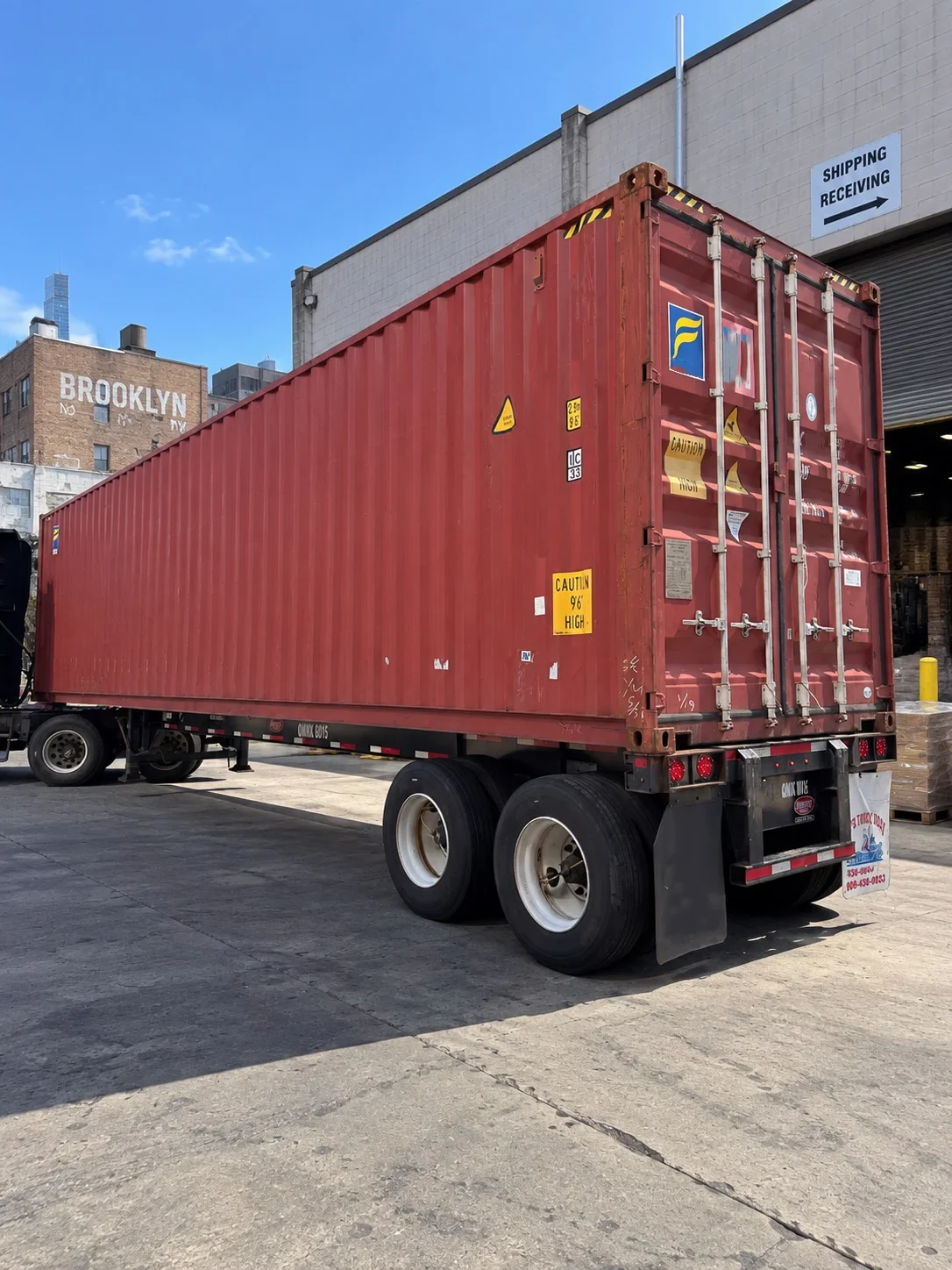
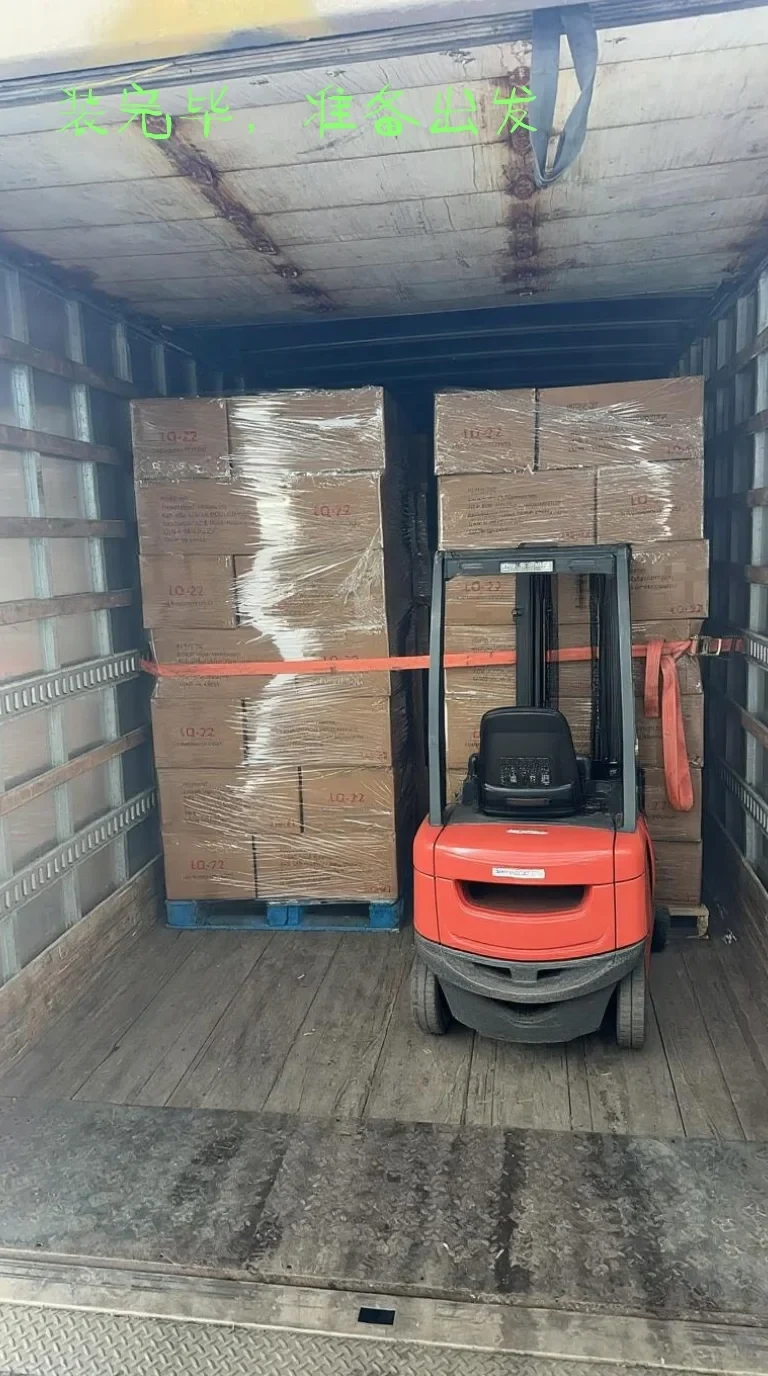
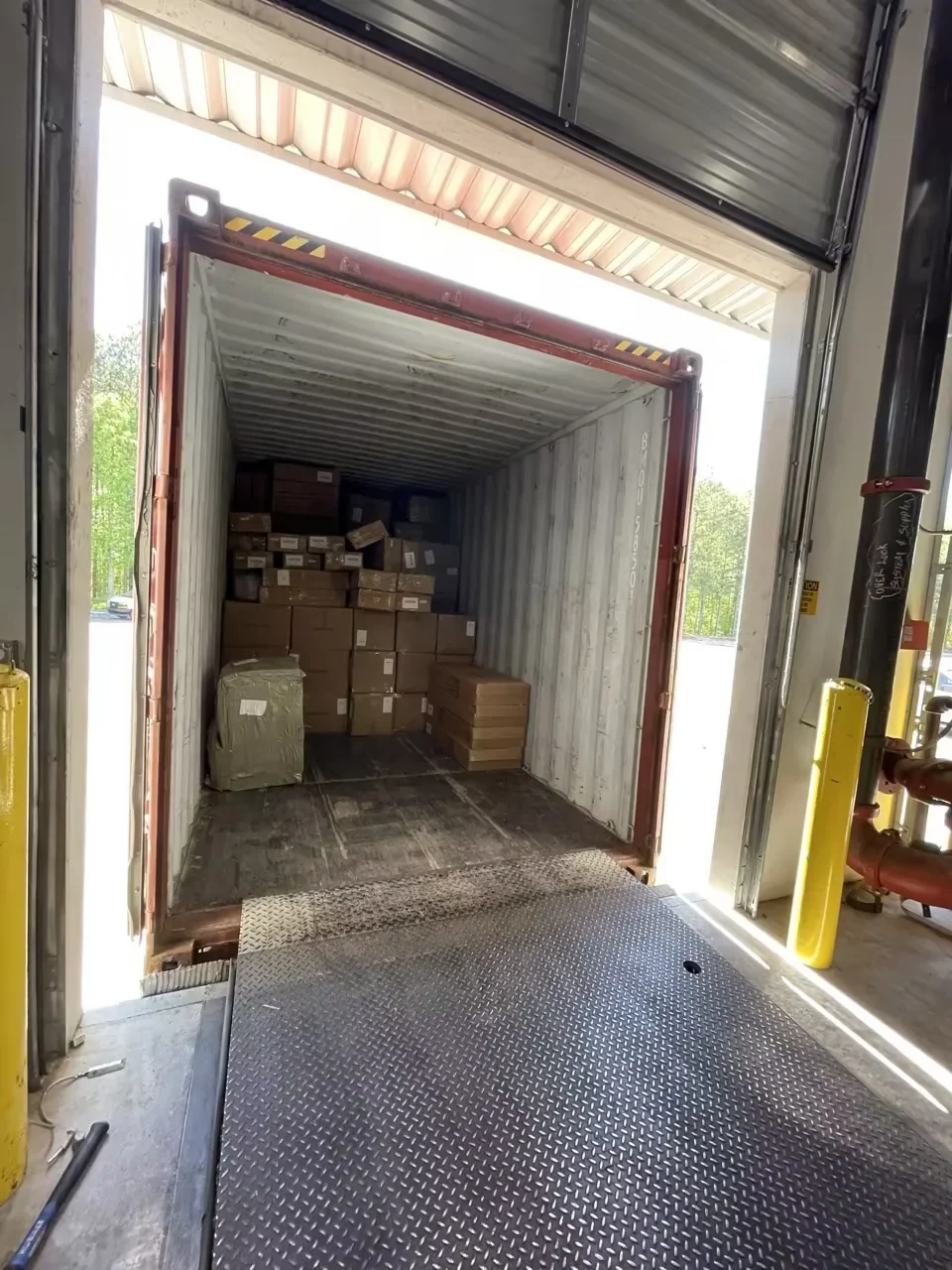
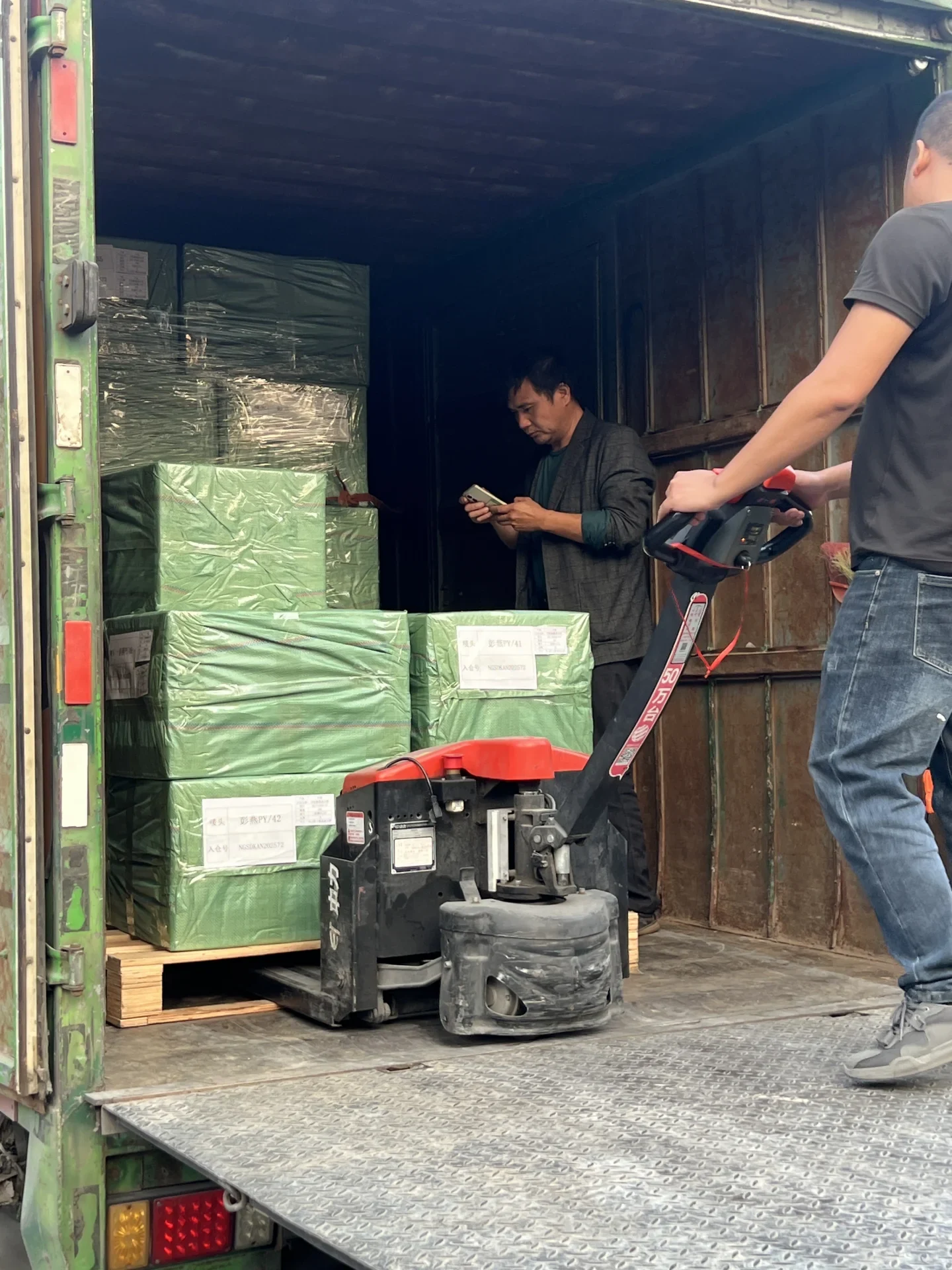
Prepared from the linked primary references and public field research. Field photographs illustrate general handling; worked examples use separate hypothetical figures. Acceptance, charges and destination requirements should be checked against the specific shipment and current operator or authority instructions.