 Skip to content
An air waybill records the air cargo carriage contract, not ownership of the goods. For practical tracking, first identify whether your reference is a house or master number, then use the issuer’s tracking channel. Before shipment, check party names, cargo details and document consistency; request corrections through the issuing party. [1]
What an air waybill does—and does not do
IATA identifies the air waybill, or AWB, as a critical cargo document constituting the contract of carriage between the shipper and the airline. Its e-AWB framework removes the requirement for a paper AWB under the relevant agreement. Electronic documentation does not remove the underlying carriage contract. [1]
For exporters and buyers, the important distinction is between a transport document and ownership of the goods. Treat a non-negotiable AWB as a carriage reference, not as a document that transfers title through endorsement. Likewise, do not assume that choosing an Incoterm determines ownership: address title separately in the sales contract.

Evidence boundary: the supplied IATA material establishes the AWB’s contractual role and the electronic-document framework. It does not provide detailed house/master rules, amendment procedures or release conditions. The practical workflow below therefore identifies matters to confirm with the issuer rather than presenting one airline’s or forwarder’s process as universal. [1]
HAWB and MAWB: understand the document hierarchy
A house air waybill, or HAWB, is the forwarder-facing shipment reference; a master air waybill, or MAWB, is the airline-facing reference. In a consolidated arrangement, several house shipments may sit beneath one master movement. Ask your forwarder to confirm that this structure applies to your booking and to supply the link between your two references.
Do not assume that the parties shown on both documents must match. A forwarder or destination agent may occupy a different position in the master arrangement from the exporter or buyer named at house level. Businesses can perform several roles; a company name alone does not explain its responsibilities.
| Document | Main practical purpose | Tracking starting point | Important caution |
|---|---|---|---|
| HAWB | Identifies the individual shipment within the forwarder’s arrangement | The issuing forwarder’s portal or operations team | Do not assume an airline website will recognize it |
| MAWB | Identifies the airline-facing carriage arrangement | The relevant airline’s cargo channel, once confirmed | A master-level event may not explain an individual house shipment’s status |
| Negotiable ocean bill of lading | Can have a document-of-title function, depending on its form and applicable law | The ocean carrier’s or forwarder’s channel | Do not apply endorsement or original-document assumptions to an AWB |

The ocean comparison needs care: not every ocean transport document is negotiable. The supplied multimodal example also shows that one transport document can cover several transport modes. Document scope and negotiability are separate questions; neither should be guessed from the route alone. [2]
Track the shipment with the right reference
Start by asking: “Is this our HAWB, the MAWB, or an internal booking reference?” Then ask who maintains the tracking record. This is a practical recommendation from the different document relationships, not a promise that every provider offers the same tracking tools.
Record the reference exactly as issued, but follow the portal’s input instructions. If a search fails, check the issuer, reference type and accepted format before concluding that the cargo is missing. Send the issuer the failed reference and the status you need confirmed.

Read the infographic as text
For China exporters and overseas buyers: identify your reference, track at the right level and correct errors through the issuer.
- 1. Understand the AWB’s role. An AWB records the carriage contract, not ownership. Do not apply ocean bill of lading assumptions; address title separately in the sales contract.
- 2. Confirm the house/master link. A HAWB is the forwarder-facing reference; a MAWB is airline-facing. Several house shipments may share one master. Ask the forwarder to confirm the link.
- 3. Choose the tracking channel. Start with the forwarder for house-level status. Use the confirmed MAWB in the airline’s designated channel. Master arrival alone does not establish availability.
- 4. Check and request corrections. Before shipment, check party names, cargo details and document consistency. Request corrections through the issuer; confirm charges and operational consequences.
Hypothetical: arrival, but no collection A buyer gets no airline result for a HAWB. The linked MAWB shows arrival, but the house record shows processing. Ask for house-level availability and clearance status. If the master link is wrong, resolve it before relying on tracking.
Decision: Confirm the reference type and house/master link before tracking. Ask for house-level availability and clearance status before arranging collection.
An e-AWB does not eliminate other shipment documents. Confirm current document and correction requirements with the issuer, operator and relevant authority.
Separate document creation from physical movement. An AWB can be issued before departure, so receiving a number is not proof that cargo has flown. Ask for the latest confirmed physical milestone, its location and timestamp—not simply whether the document exists.
Also separate airline movement from final delivery. A flight arrival does not, by itself, establish customs release, warehouse availability or delivery to the buyer. Ask which organization controls the next step. A courier or customs broker does not automatically become the importer of record.
Check and amend details before errors spread
Request a draft early enough to compare it with the booking and commercial documents. The supplied DAP/DDP example places the AWB alongside the commercial invoice and other supporting documents, illustrating why the document set should be checked together. It does not establish that every shipment needs every certificate mentioned. [3]
Use this actionable checklist before approving the document:
- Confirm whether you are checking a house document, master document or both.
- Verify shipper, consignee and contact details against the agreed arrangement.
- Compare piece count, gross weight and cargo description with the shipment records.
- Check origin, destination and any delivery instructions for ambiguity.
- Confirm the HAWB-to-MAWB link if a consolidated arrangement is used.
- Identify the party responsible for destination clearance and delivery coordination.
- Keep the approved version and the issuer’s written confirmation of changes.
If something is wrong, send the issuing party the reference, the incorrect entry, the requested replacement and supporting evidence. Ask whether the change affects airline records, customs submissions or destination instructions. This is a recommended control process, not a universal amendment rule.
Failure cases include correcting only one document, circulating competing versions, or assuming a revised PDF updates every connected system. Do not alter an issued document yourself and assume the change is effective. Confirm acceptance, any charges and operational consequences with the issuer; no fixed amendment fee or deadline is established by the available guidance.
Hypothetical example: a master arrival but no delivery
Hypothetical: a China exporter sends six cartons through a forwarder. Assume the forwarder confirms a consolidated booking and provides both a HAWB and a linked MAWB. The overseas buyer searches the HAWB on the airline website and receives no result.
The buyer first confirms the reference type, then uses the MAWB in the airline’s designated channel. Suppose it shows arrival, while the forwarder’s house record still shows destination processing. The sensible decision is to request house-level availability and clearance status—not to arrange collection based solely on the master arrival event.

This example assumes the references are correctly linked. It fails if the forwarder supplied the wrong master number or the displayed event concerns a different movement. Resolve those discrepancies before relying on the tracking result.
Frequently asked questions
Is an air waybill proof of ownership?
No. Treat the non-negotiable AWB as a carriage document, not an endorsed title-transfer instrument. Ownership should be addressed separately in the sales agreement.
Should I track with the HAWB or MAWB?
Use the reference accepted by the relevant provider. Start with the forwarder for house-level visibility and confirm the linked master reference for airline-level movement.
Does an e-AWB mean no documents are needed?
No. IATA’s framework removes the paper-AWB requirement under the relevant agreement; it does not establish that invoices, customs information or other shipment documents are unnecessary. Confirm the required document set for your shipment. [1]
Sources and further reading
- IATA - efreight / eAWBPrimary source · Retrieved 15 October 2026
- CIF & CIP Incoterms® 2020 explained: Key differencesPrimary source · Retrieved 15 October 2026
- DAP & DDP Incoterms® 2020 explained: Key differencesPrimary source · Retrieved 15 October 2026
Field research
- Xiaohongshu field research 1Topic discovery and anecdotal context; not evidence of a general rule.
- Xiaohongshu field research 2Topic discovery and anecdotal context; not evidence of a general rule.
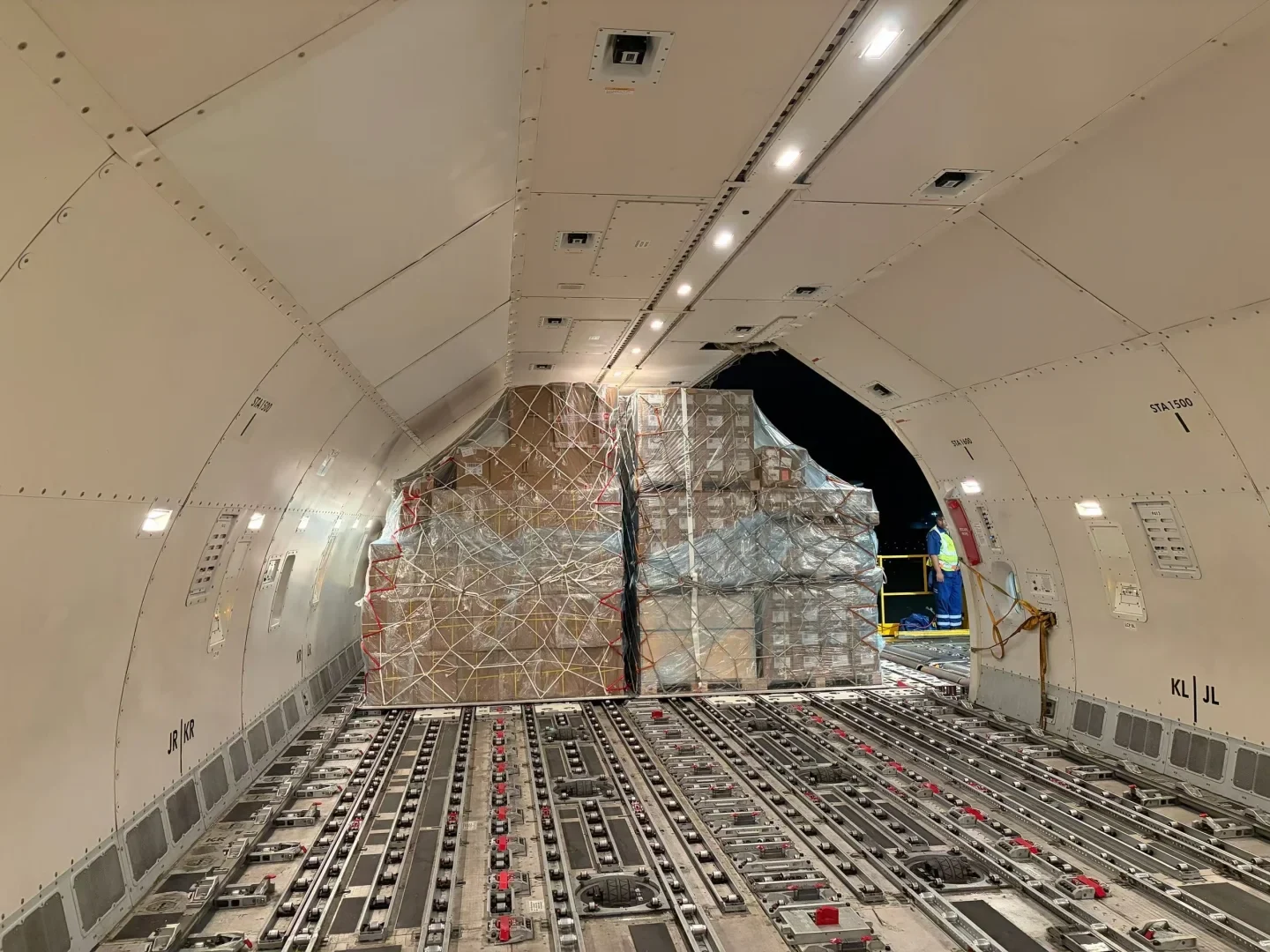
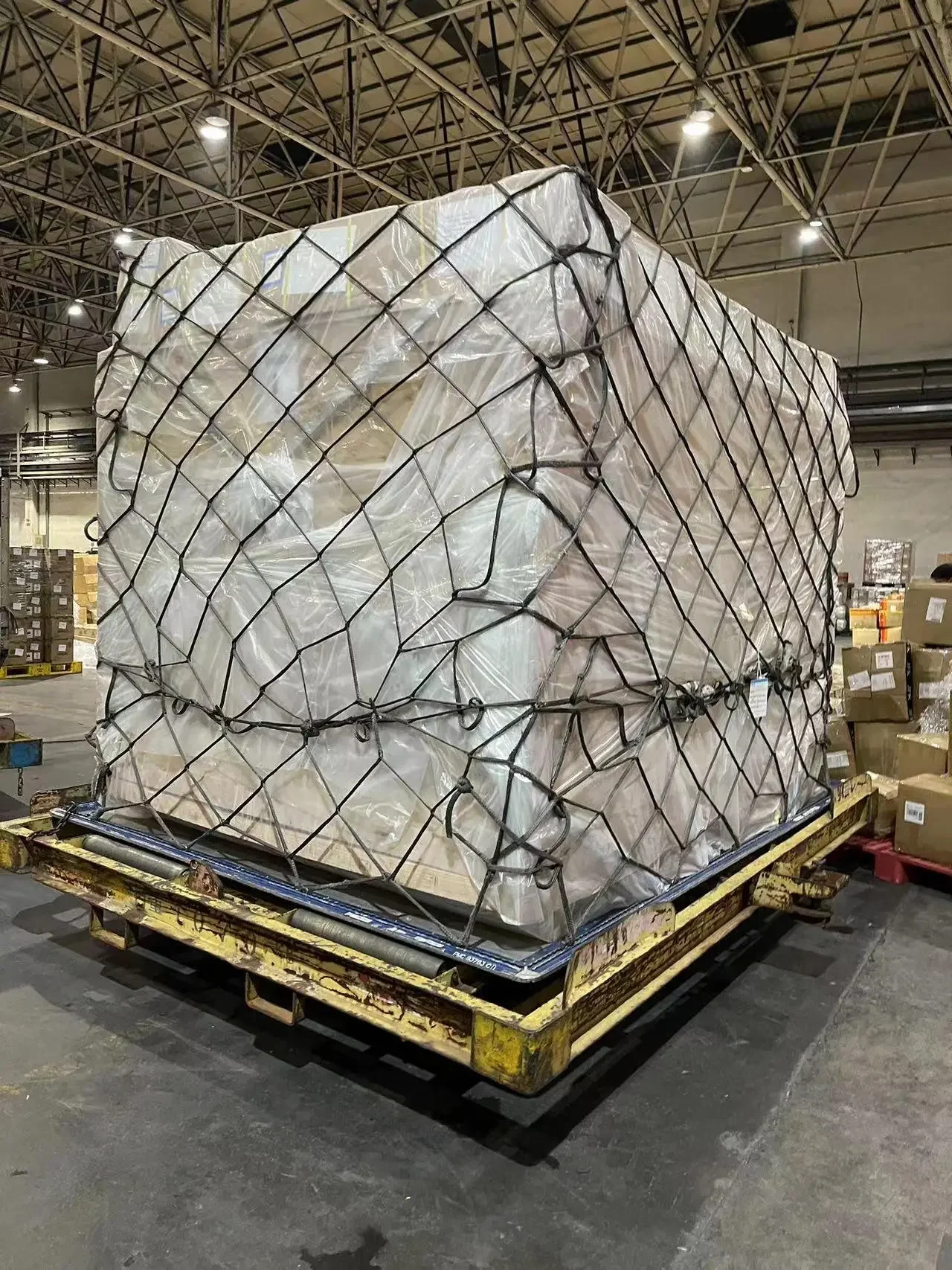
Prepared from the linked primary references and public field research. Field photographs illustrate general handling; worked examples use separate hypothetical figures. Acceptance, charges and destination requirements should be checked against the specific shipment and current operator or authority instructions.