 Skip to content
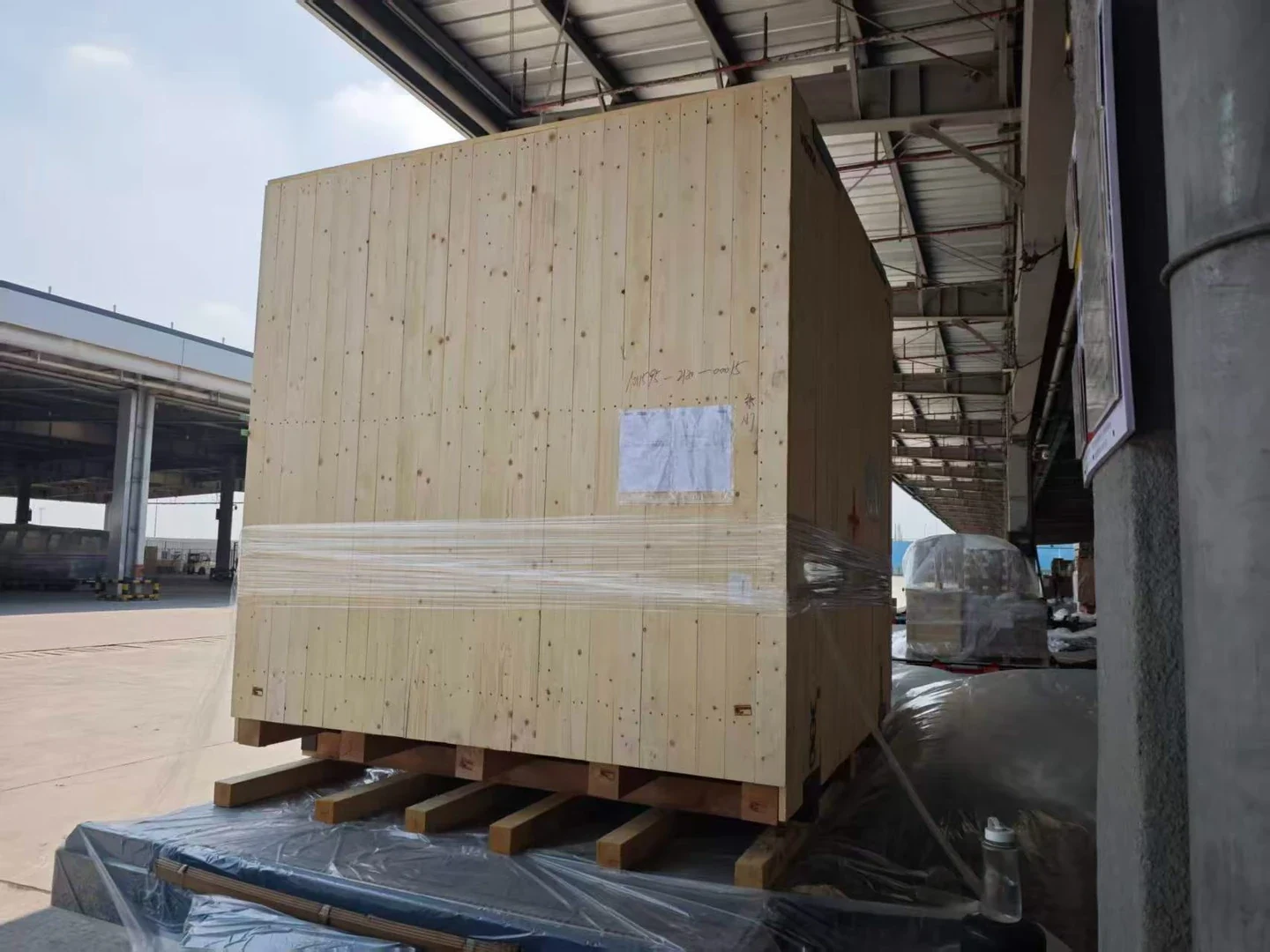
To plan air freight from China, confirm cargo readiness, collection details, export data, security status and the chosen gateway before booking. Compare the whole factory-to-airport movement, not airport proximity alone. Agree who supplies documents, pays local charges and resolves discrepancies, then verify acceptance requirements with your forwarder before cargo leaves. [1][2][3]
1. Define readiness before arranging factory collection
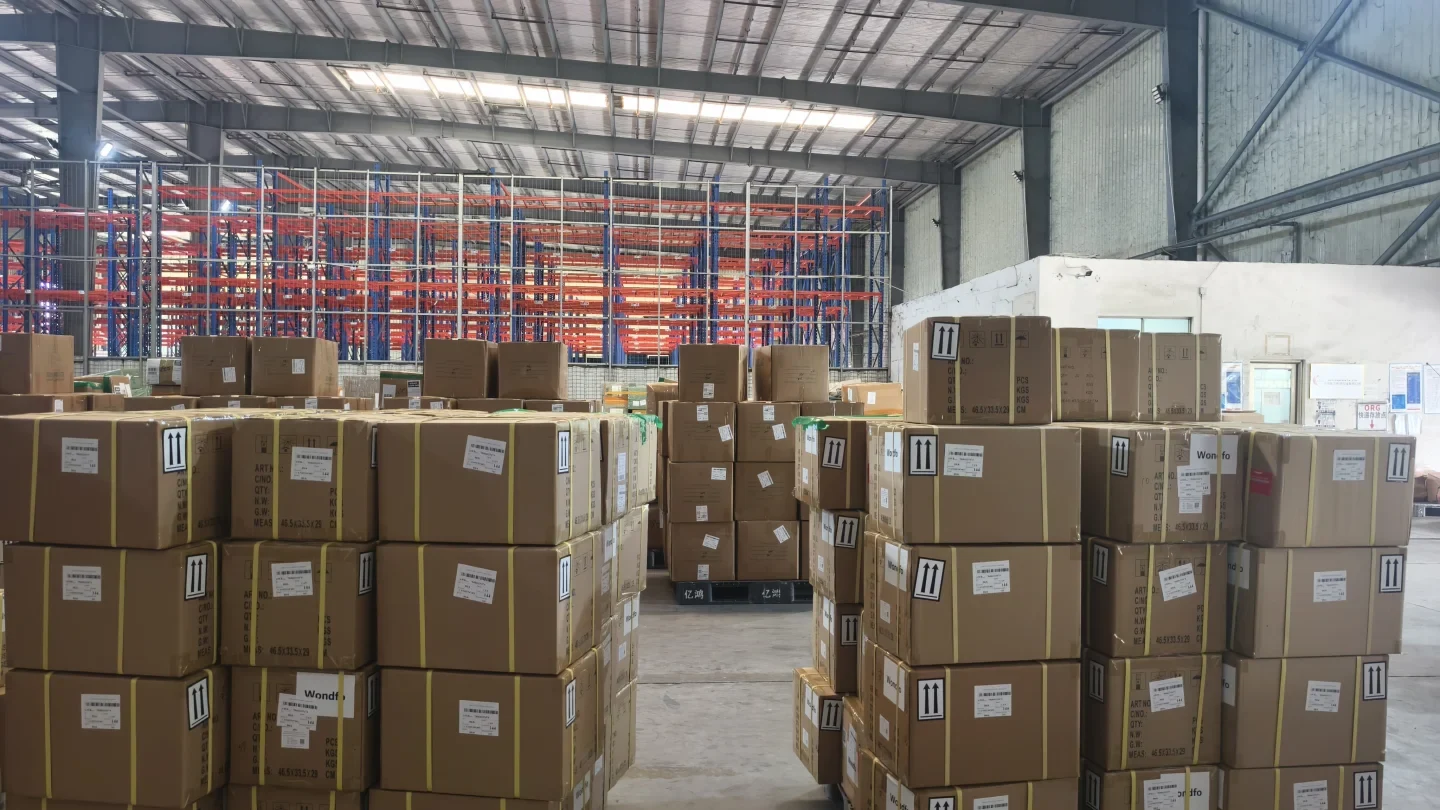
Factory readiness and airline acceptance are different checkpoints. IATA describes cargo handling as the landside process from delivery at the origin airport through preparation for loading, with further handling at destination. At origin, acceptance includes checking security clearance and whether shipment information matches the actual goods. Finishing production therefore does not, by itself, establish readiness for carriage. [1]
As a planning recommendation, use a written release checklist rather than “goods ready” in a message. Ask the factory to confirm that packing is complete, package counts are final, weights and dimensions are measured, and shipment data is available for review. These checks connect the physical cargo to the information used during acceptance. [1][2]
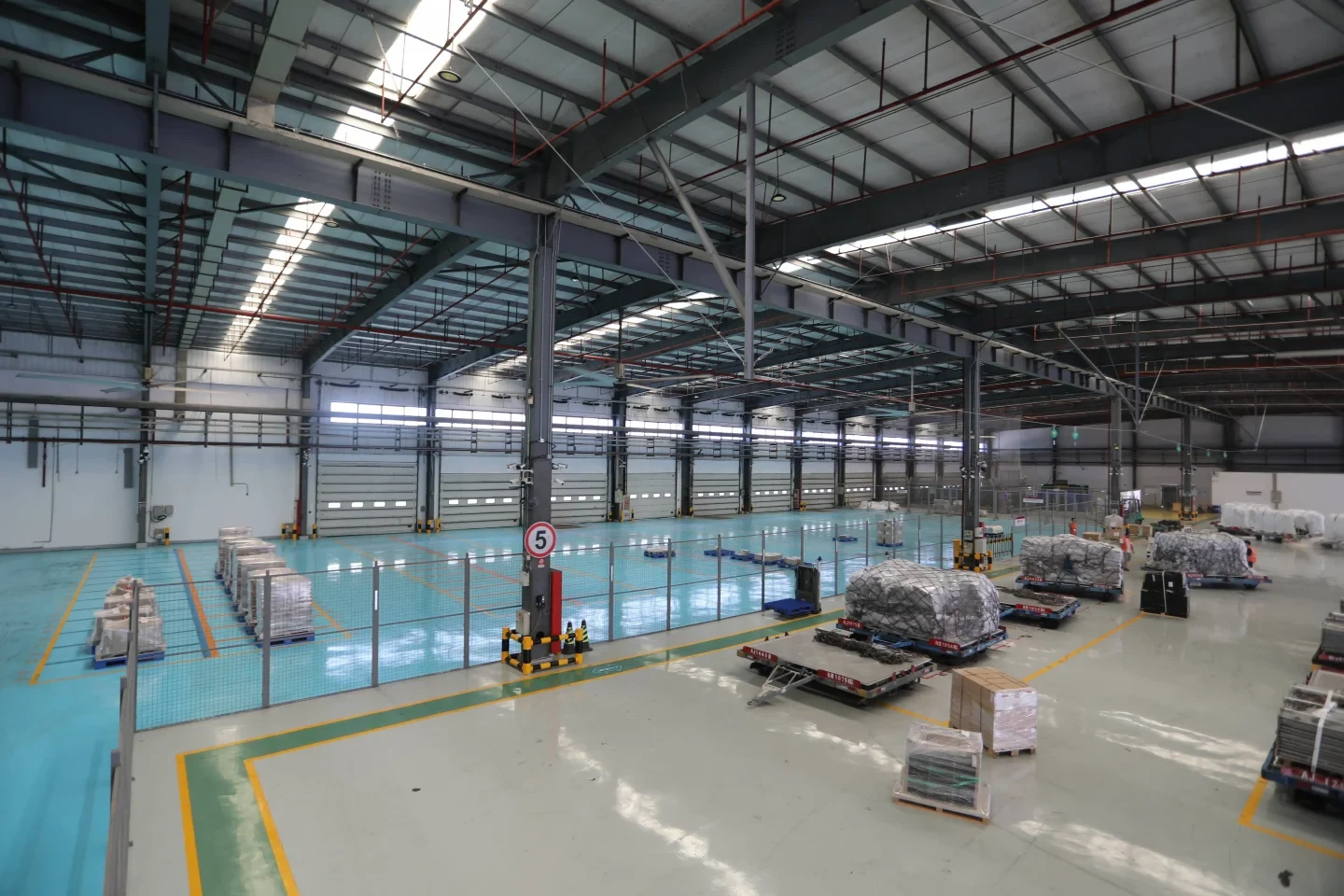
State assumptions explicitly. A collection plan based on ordinary, fully packed goods may need revision if the product requires additional documents or if packing changes. The supplied tariff guidance notes that additional documents may be necessary depending on what is shipped; do not assume one document set fits every product. [3]
2. Make local collection and export data agree
An export packing list contains more detail than a basic domestic list. Relevant fields include seller, buyer, shipper, invoice number, transport details, item quantities and descriptions, package types and counts, net and gross weights, package marks, and dimensions where appropriate. It does not replace the commercial invoice, and the invoice should reflect the packing-list information. [2]
For collection planning, ask the factory and collection provider to confirm the exact loading address, site contact, access restrictions, loading arrangements and expected release time. This is an operational recommendation, not a universal acceptance rule: its purpose is to expose assumptions before a vehicle is dispatched. A successful pickup alone does not prove that the cargo will pass the airport’s readiness checks. [1]
Use the following actionable checklist before authorizing collection. It translates the supplied document and acceptance requirements into practical handoff checks; the exact requirements still need confirmation for the shipment. [1][2][3]
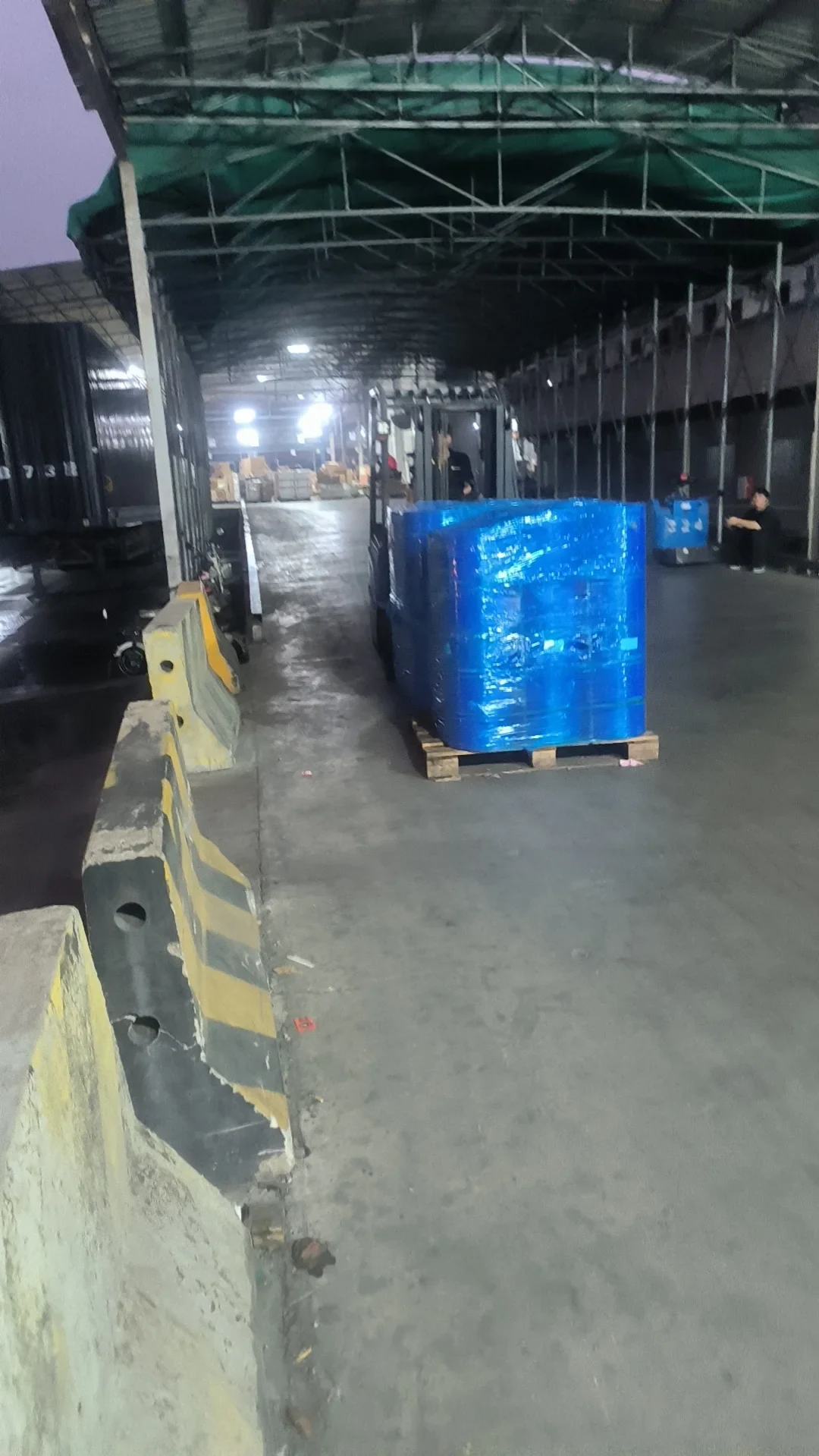
- Confirm the final package count and record package marks.
- Record measured gross weight and dimensions after packing is complete.
- Compare descriptions, quantities and weights across the invoice and packing list.
- Identify who will provide and review export data and any product-specific documents.
- Confirm the collection address, loading contact and release time.
- Obtain the receiving facility’s instructions and acceptance timing from the forwarder.
- Ask who coordinates security clearance and resolves acceptance discrepancies.
- Get a written breakdown of included charges and possible additional services.
Give each unresolved item a named owner. For example, ask the supplier to correct inconsistent packing data before pickup rather than leaving the driver or receiving warehouse to interpret it. This is a planning inference from the requirement to align shipment information with the actual cargo. [1][2]
3. Compare gateways using the complete origin movement
Airport choice is only one part of origin planning. Because cargo must undergo landside processing, security verification and ready-for-carriage checks, a shorter road journey does not necessarily produce an earlier accepted shipment. That is an inference from the handling process, not a prediction about any particular Chinese airport or route. [1]
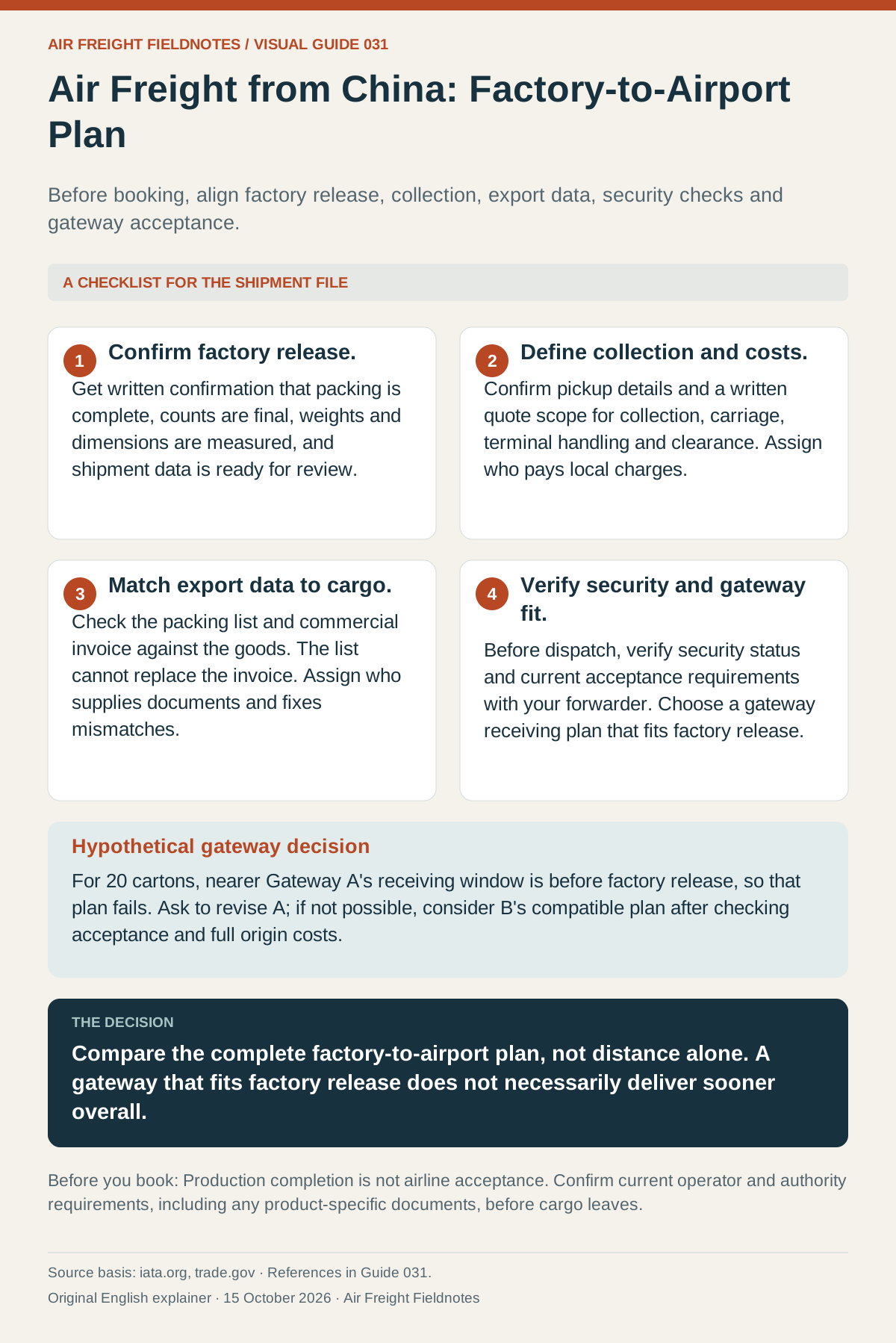
Read the infographic as text
Before booking, align factory release, collection, export data, security checks and gateway acceptance.
- Confirm factory release. Get written confirmation that packing is complete, counts are final, weights and dimensions are measured, and shipment data is ready for review.
- Define collection and costs. Confirm pickup details and a written quote scope for collection, carriage, terminal handling and clearance. Assign who pays local charges.
- Match export data to cargo. Check the packing list and commercial invoice against the goods. The list cannot replace the invoice. Assign who supplies documents and fixes mismatches.
- Verify security and gateway fit. Before dispatch, verify security status and current acceptance requirements with your forwarder. Choose a gateway receiving plan that fits factory release.
Hypothetical gateway decision For 20 cartons, nearer Gateway A's receiving window is before factory release, so that plan fails. Ask to revise A; if not possible, consider B's compatible plan after checking acceptance and full origin costs.
Decision: Compare the complete factory-to-airport plan, not distance alone. A gateway that fits factory release does not necessarily deliver sooner overall.
Production completion is not airline acceptance. Confirm current operator and authority requirements, including any product-specific documents, before cargo leaves.
Ask providers to compare the same shipment and service scope. Airline tariffs generally cover airport-to-airport carriage; pickup, terminal services, customs clearance, storage and other services are not included unless indicated. A low air-carriage figure therefore cannot establish the lowest factory-to-airport cost. [3]
| Comparison point | Nearer gateway proposal | Alternative gateway proposal | Decision check |
|---|---|---|---|
| Factory collection | Confirm road movement and loading arrangements. | Confirm the same details, including any additional transfer. | Does the plan work from actual factory release? |
| Receiving and acceptance | Request facility instructions and acceptance timing. | Request equivalent information. | Can this cargo meet the stated requirements? |
| Security clearance | Identify the coordinator and required preparation. | Check whether the proposed process differs. | Are responsibilities clear before dispatch? |
| Quoted cost | Separate carriage from local services. | Use the same cost categories. | Are exclusions visible and comparable? |
| Disruption response | Ask what happens after a missed acceptance window. | Ask the same question. | Who authorizes changes and additional expense? |
This table is a recommended comparison method, not evidence that either gateway type performs better. Its handling criteria follow the supplied acceptance guidance, while its cost comparison reflects the distinction between airline tariffs and additional services. [1][3]
4. Resolve security and acceptance risks before dispatch
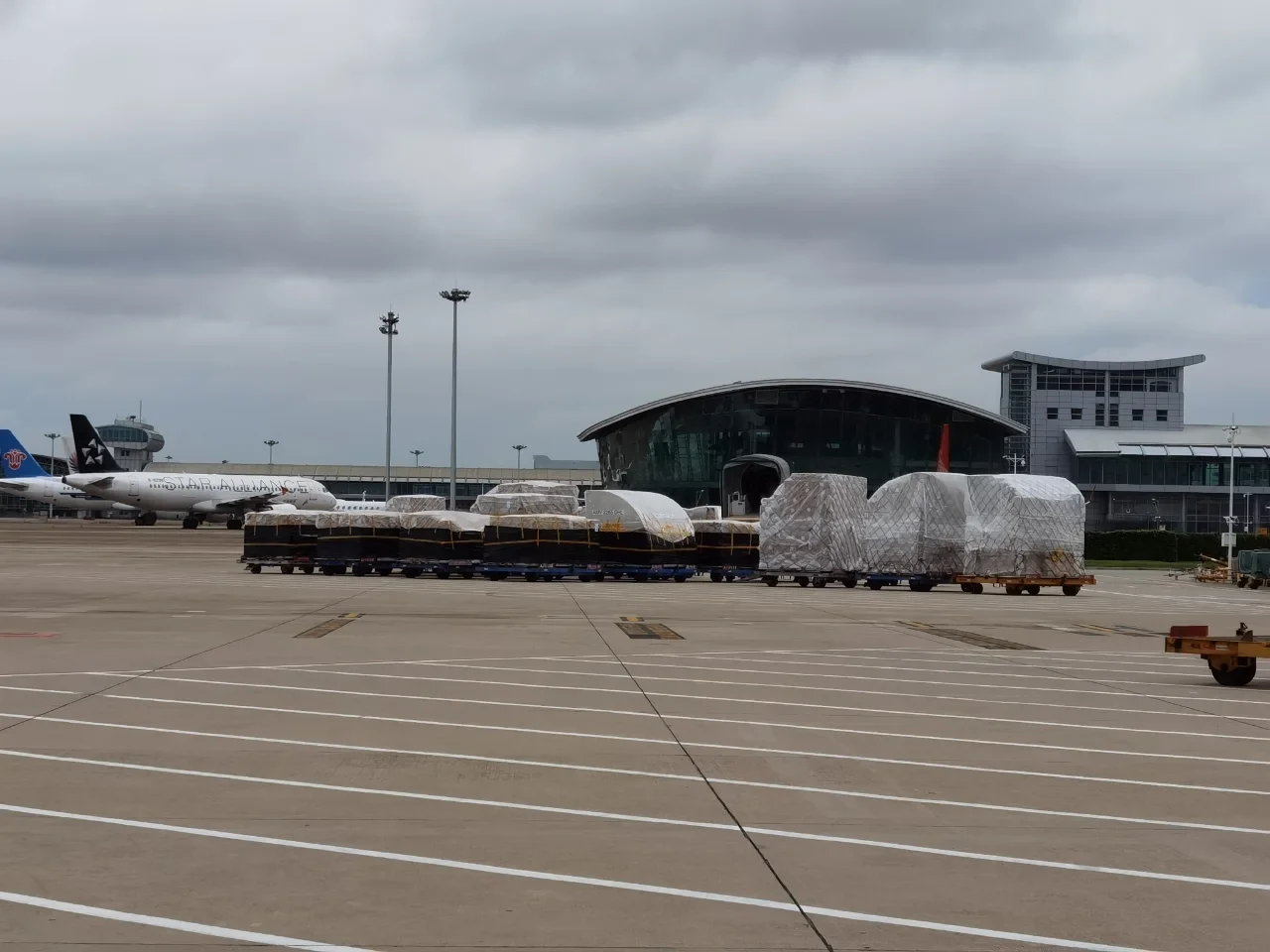
IATA states that origin handling personnel verify security clearance and perform a ready-for-carriage check, including checking that shipment information aligns with the actual goods. Ask your forwarder what preparation is required for your cargo, which party coordinates it, and how discrepancies will be communicated. Do not treat the booking discussion as proof that these checks are complete. [1]
Potential failure cases include a changed package count, inaccurate weight, inconsistent descriptions or documents that no longer match repacked goods. These are planning inferences from the acceptance and document requirements. If anything changes after review, send the revised information to the responsible parties rather than relying on the earlier version. [1][2]
Hypothetical worked decision example: A factory offers 20 packed cartons for collection. Gateway A is nearer, but its proposed receiving window precedes the factory’s confirmed release. Gateway B involves more road movement, but its provider offers a receiving plan compatible with that release. These are invented assumptions for comparison, not live operating information. [1]
Under those assumptions, the exporter should first ask whether Gateway A’s plan can be revised. If not, Gateway B may be the workable origin option, subject to acceptance requirements and a complete cost comparison. This does not establish that B delivers sooner overall: it only identifies a better-aligned factory-to-airport plan in this hypothetical case. [1][3]
5. Frequently asked questions
Does choosing the nearest airport make air freight from China faster?
Not necessarily. Distance is only one input. The inference from IATA’s handling process is that collection readiness, security clearance and acceptance checks also affect progress. Compare the complete origin plan rather than using airport proximity as a delivery-speed promise. [1]
Can the packing list replace the commercial invoice?
No. The supplied document guidance expressly distinguishes them. Use both as required, and check that their shipment information agrees before collection. A packing list is useful for checking cargo, but it is not a substitute for the invoice. [2]
Does an airport-to-airport price include factory pickup?
Not unless the quote includes it. IATA’s tariff guidance excludes pickup and several other services unless indicated. Ask for a written service scope separating airline carriage, collection, terminal handling, clearance and any other applicable charges before comparing offers. [3]
Sources and further reading
- IATA - What to Know About Air Cargo HandlingPrimary source · Retrieved 15 October 2026
- Common Export DocumentsPrimary source · Retrieved 15 October 2026
- IATA - Air Cargo Tariffs and Rules: What You Need to KnowPrimary source · Retrieved 15 October 2026
Field research
- Reddit field research 1Topic discovery and anecdotal context; not evidence of a general rule.
- Reddit field research 2Topic discovery and anecdotal context; not evidence of a general rule.
Prepared from the linked primary references and public field research. Field photographs illustrate general handling; worked examples use separate hypothetical figures. Acceptance, charges and destination requirements should be checked against the specific shipment and current operator or authority instructions.