 Skip to content
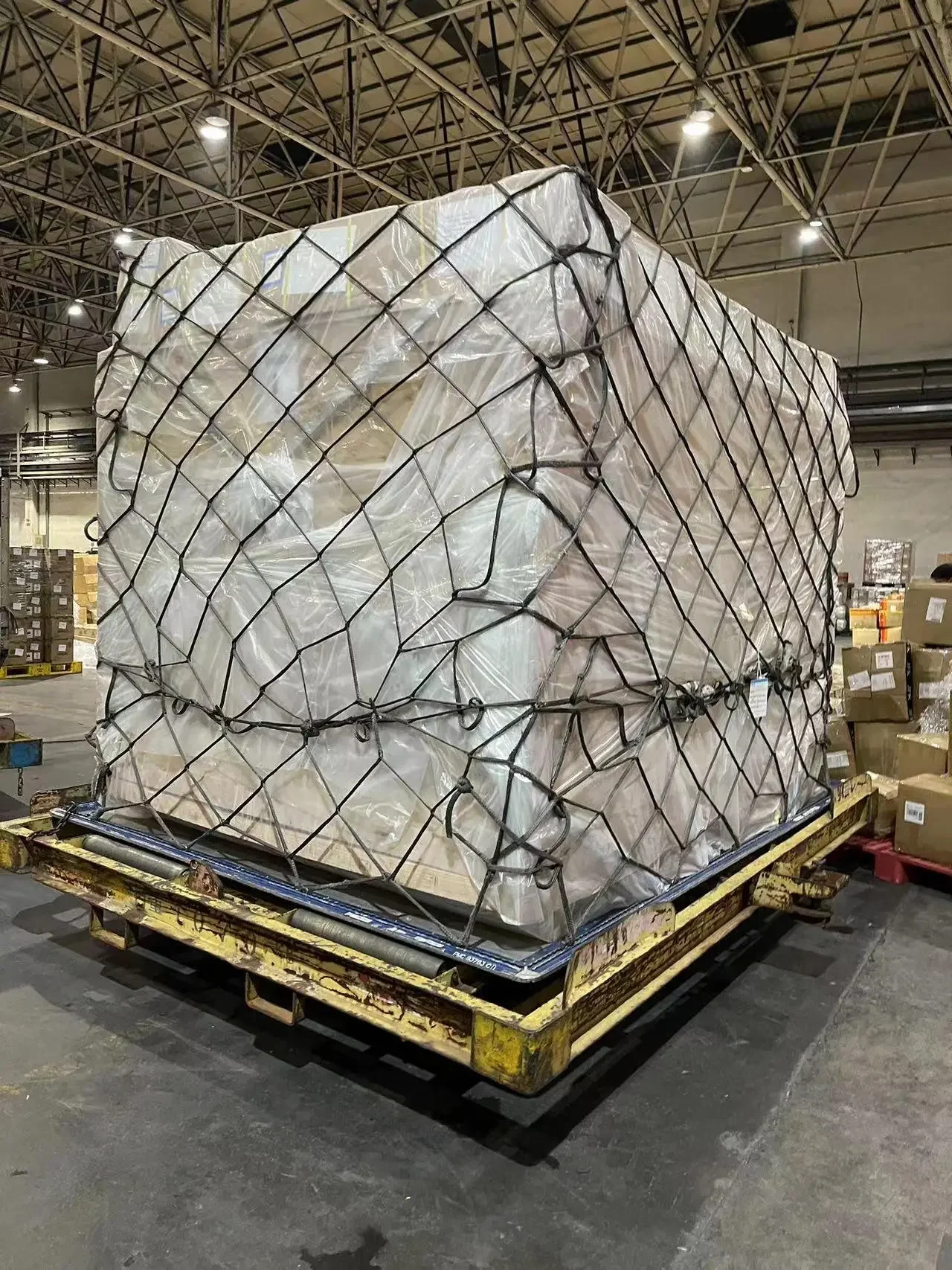
Air cargo security screening can delay acceptance when a shipment is not ready for the checks and handling required for its route and operator. Before pickup, confirm cargo details, packaging, access arrangements and the authorized screening process. Dense goods need early review; completed paperwork alone does not establish carriage readiness. [1][2]
Why screening readiness matters to cargo acceptance
IATA describes acceptance as a process intended to establish that consignments are ready for carriage under operator requirements and applicable export, transit and import rules. Some procedures apply generally; others depend on the cargo. Screening readiness should therefore be considered within the wider acceptance process, rather than treated as the only requirement. [1]
For a China exporter or overseas buyer, the practical recommendation is to resolve suitability questions before committing the shipment to collection. An unanswered question at the warehouse is easier to manage than one discovered after the goods have entered a chain involving a forwarder, handler and airline. IATA emphasizes shared handling guidelines across these participants to reduce delays and other problems. [1][2]
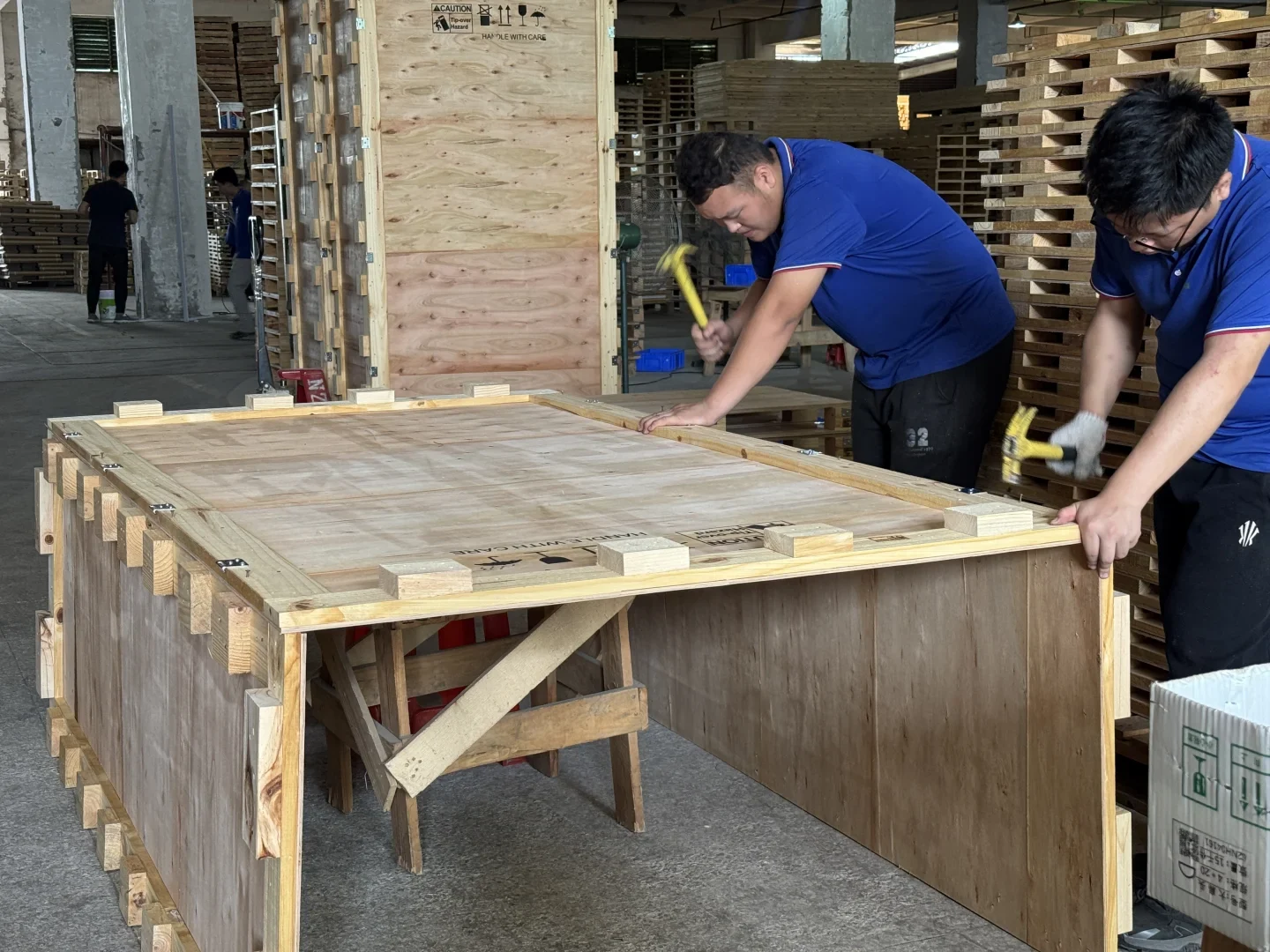
The available guidance does not specify approved screening methods, equipment capabilities or a universal security procedure. This guide therefore provides preparation questions, not technical clearance criteria. The responsible providers must confirm the authorized process for the actual cargo and routing; this article cannot establish that a particular package will pass. [1][2]
Dense cargo and package access: questions to settle early
Planning inference: treat unusually dense goods as a reason to request early screening-suitability review, not as proof that acceptance will fail. Give the provider an accurate description, packed weight, external dimensions and packing arrangement. Ask whether that configuration is suitable for its authorized process and what happens if suitability cannot be established. The supplied IATA material supports cargo-specific procedures but gives no density threshold. [1]
Planning inference: package access also deserves a written discussion. Ask whether the shipment may need to be opened, who may authorize and perform that work, and who will restore the packaging afterward. Do not assume either that every shipment must be opened or that a sealed shipment can always remain untouched. The answer depends on the applicable acceptance process. [1][2]
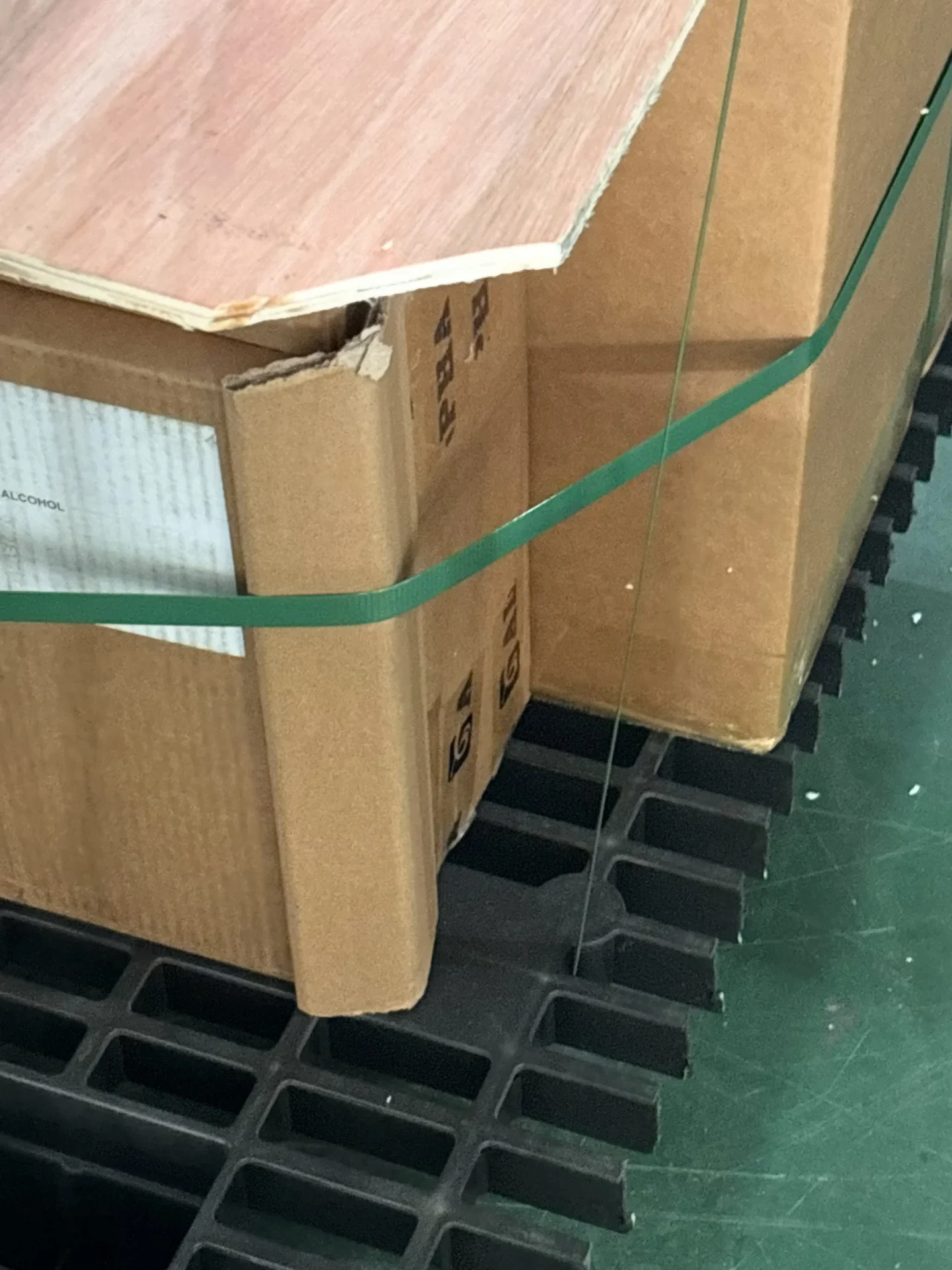
Protective packaging and screening preparation should be considered together. Removing protection simply to reduce size can create another handling problem. Conversely, unnecessary outer packaging can increase dimensional weight: FedEx explains that its chargeable weight is based on actual or dimensional weight, whichever is greater. That pricing statement is not a universal tariff for every air-freight contract. [2][3]
| Preparation issue | Question before collection | Possible unresolved outcome |
|---|---|---|
| Dense or compact contents | Has the provider reviewed suitability for its authorized process? | Further review before acceptance |
| Sealed or difficult-to-open packaging | What access could be needed, and who can approve it? | Waiting for instructions or repacking arrangements |
| Several handling participants | Who owns the screening and acceptance handover? | Conflicting instructions or incomplete handover |
| Changed external dimensions | Will the final packed measurements change the quotation? | Chargeable-weight reassessment |
The table identifies planning inferences, not prescribed screening outcomes. Its acceptance and coordination questions follow IATA’s process-based approach; its dimensional-weight question follows FedEx’s explanation of space-based charging. None establishes an automatic refusal or a fixed extra charge. [1][2][3]
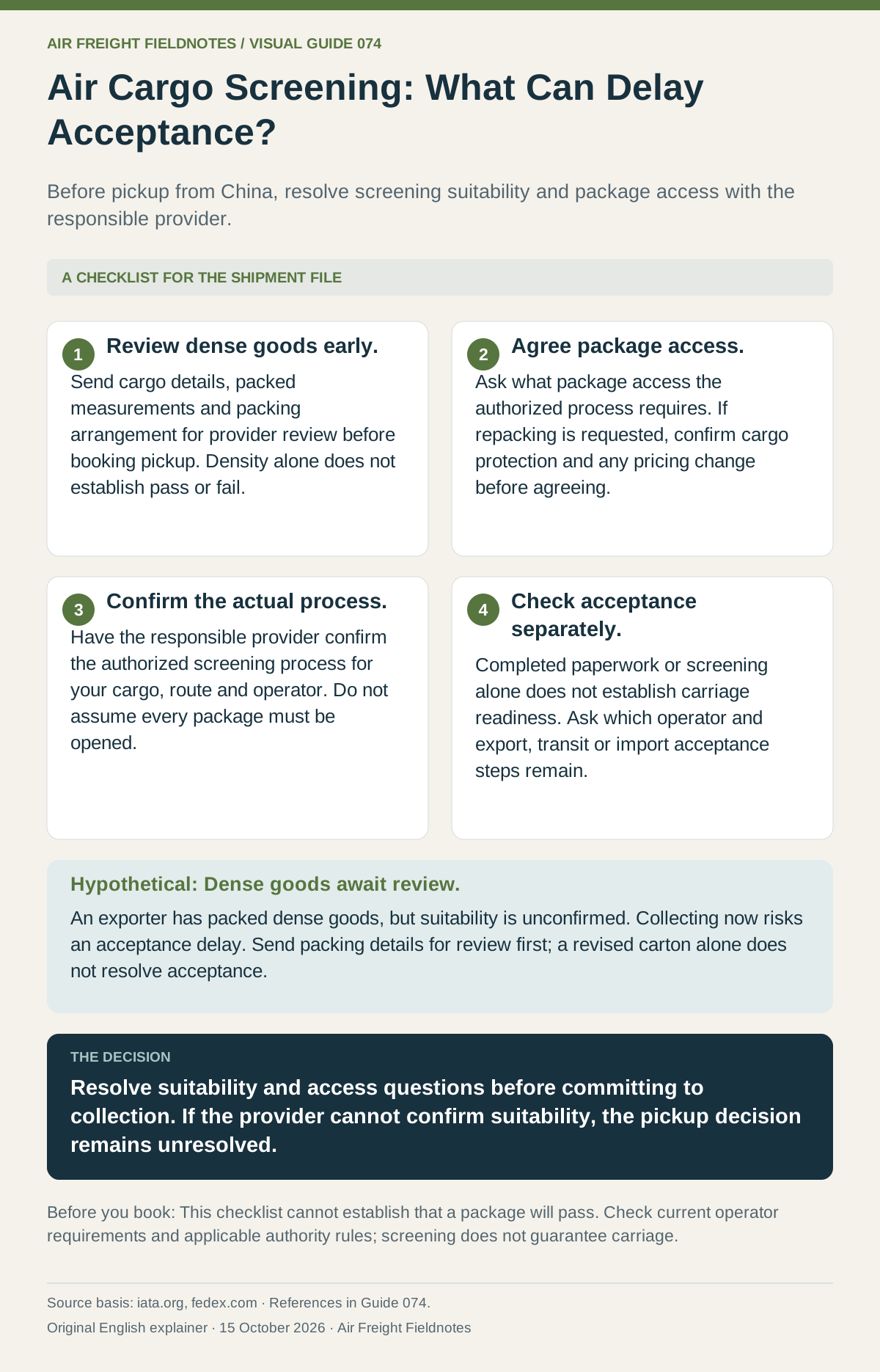
Read the infographic as text
Before pickup from China, resolve screening suitability and package access with the responsible provider.
- 1. Review dense goods early. Send cargo details, packed measurements and packing arrangement for provider review before booking pickup. Density alone does not establish pass or fail.
- 2. Agree package access. Ask what package access the authorized process requires. If repacking is requested, confirm cargo protection and any pricing change before agreeing.
- 3. Confirm the actual process. Have the responsible provider confirm the authorized screening process for your cargo, route and operator. Do not assume every package must be opened.
- 4. Check acceptance separately. Completed paperwork or screening alone does not establish carriage readiness. Ask which operator and export, transit or import acceptance steps remain.
Hypothetical: Dense goods await review. An exporter has packed dense goods, but suitability is unconfirmed. Collecting now risks an acceptance delay. Send packing details for review first; a revised carton alone does not resolve acceptance.
Decision: Resolve suitability and access questions before committing to collection. If the provider cannot confirm suitability, the pickup decision remains unresolved.
This checklist cannot establish that a package will pass. Check current operator requirements and applicable authority rules; screening does not guarantee carriage.
Use an authorized process and a clear handover checklist
IATA’s handling guidance covers stages across a chain involving shippers, forwarders, ground handlers and airlines. A useful operational inference is to identify who controls each decision instead of assuming that the party collecting the cartons also controls screening and final acceptance. One business may cover several functions, but the responsibilities still need clarification. [1][2]
Use this checklist as a preparation aid. It is not a substitute for the operator’s requirements or a complete regulatory checklist. [1][2]
- Provide an accurate goods description, packed weights, dimensions and package count.
- Describe the internal packing arrangement where relevant to the suitability review.
- Ask which party confirms the applicable authorized screening process.
- Request review of dense or unusual configurations before dispatch.
- Agree who can authorize access, opening and subsequent repacking if required.
- Ask how unsuitable or unresolved cargo will be held and escalated.
- Identify who communicates acceptance status to the exporter and buyer.
- Confirm whether packaging changes require a revised weight or price assessment.
- Keep written instructions consistent across the participating businesses.
Failure case: a checklist completed with estimated or outdated information may not describe the shipment actually presented. As a planning inference, repeat the suitability and pricing questions when contents, packaging or measurements change materially. Standardized handovers help only when participants are working from the same shipment information. [1][2][3]
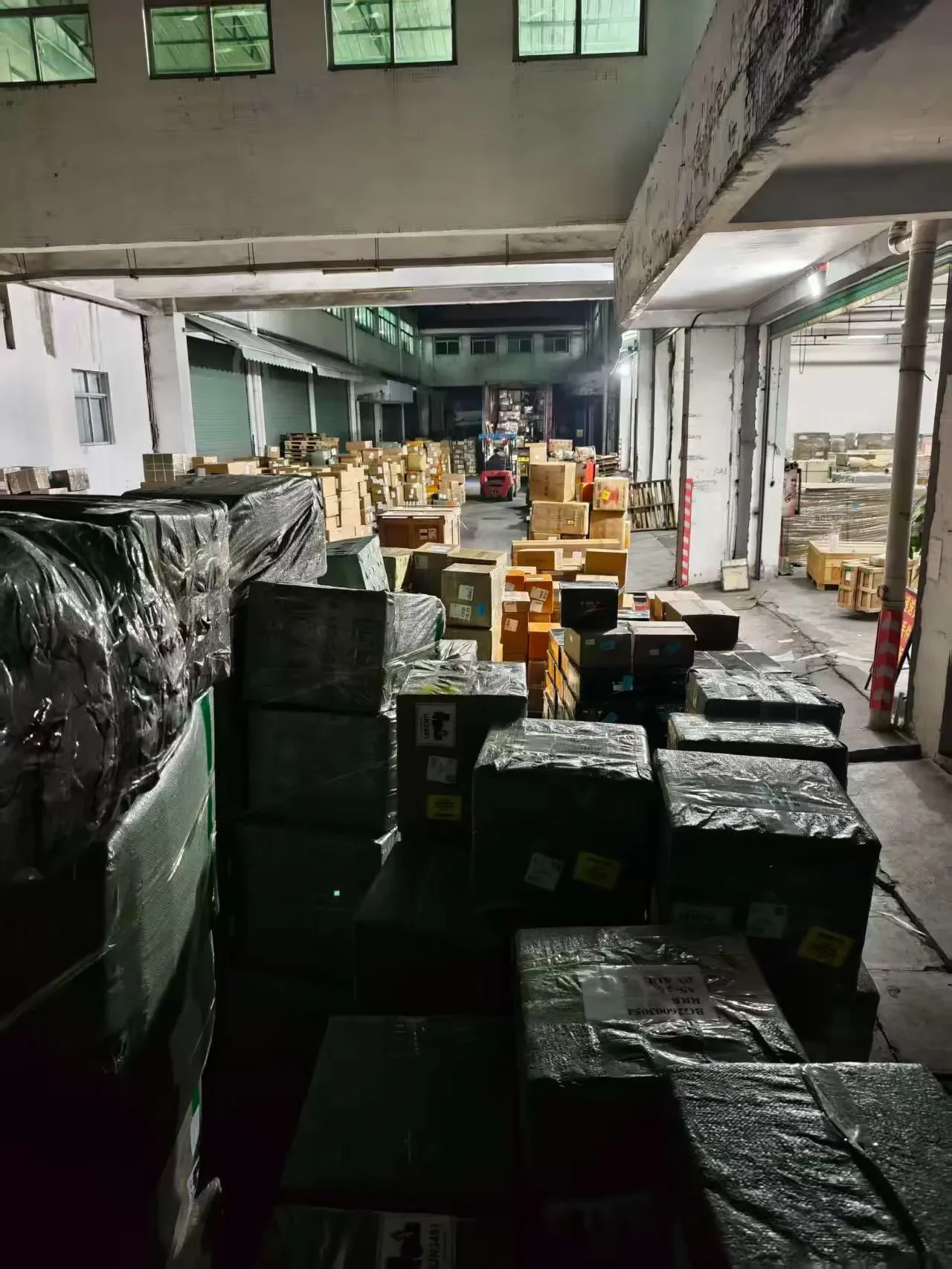
Hypothetical decision: dispatch now or review the packing?
Hypothetical example: a China exporter has tightly packed metal components ready for an overseas buyer. The provider has received the product description but has not reviewed the final packing configuration. The buyer wants immediate collection. Assume the contents have been accurately declared and no other unresolved commodity restrictions have been identified; those assumptions do not themselves establish acceptance. [1]
The exporter has two practical choices: dispatch with the suitability question unanswered, or first send the packed measurements and arrangement for provider review. The second choice addresses uncertainty earlier. It does not guarantee acceptance or a departure, but it gives the responsible party a chance to explain the authorized process and any access arrangements before collection. [1][2]
If the provider requests a different packing arrangement, the exporter should confirm both protection and pricing before agreeing. A larger outer package could increase dimensional weight under an applicable space-based charging contract. If the provider still cannot confirm suitability, the decision remains unresolved; neither a revised carton nor the buyer’s urgency constitutes acceptance. [1][2][3]
Frequently asked questions
Does dense cargo automatically fail air cargo security screening?
The available guidance establishes no automatic failure rule or density limit. It says that some procedures depend on cargo type. The prudent inference is to request a shipment-specific suitability review rather than assume either acceptance or rejection. [1]
Must every package be opened?
The cited references do not establish a universal opening requirement. Ask the responsible provider what its authorized process requires and agree access arrangements in advance. Do not treat an opening request, or the absence of one, as a complete statement of acceptance status. [1][2]
Will completing screening guarantee carriage?
No such guarantee follows from the available guidance. Acceptance concerns readiness under operator requirements and relevant country rules, with general and cargo-specific procedures. Ask what other acceptance steps remain rather than using completion of one security step as proof that the entire process is complete. [1]
Sources and further reading
- IATA - What to Know About Air Cargo HandlingPrimary source · Retrieved 15 October 2026
- IATA - IATA Cargo Handling Manual (ICHM)Primary source · Retrieved 15 October 2026
- What is Dimensional Weight? | FedExPrimary source · Retrieved 15 October 2026
Field research
- Reddit field research 1Topic discovery and anecdotal context; not evidence of a general rule.
- Reddit field research 2Topic discovery and anecdotal context; not evidence of a general rule.
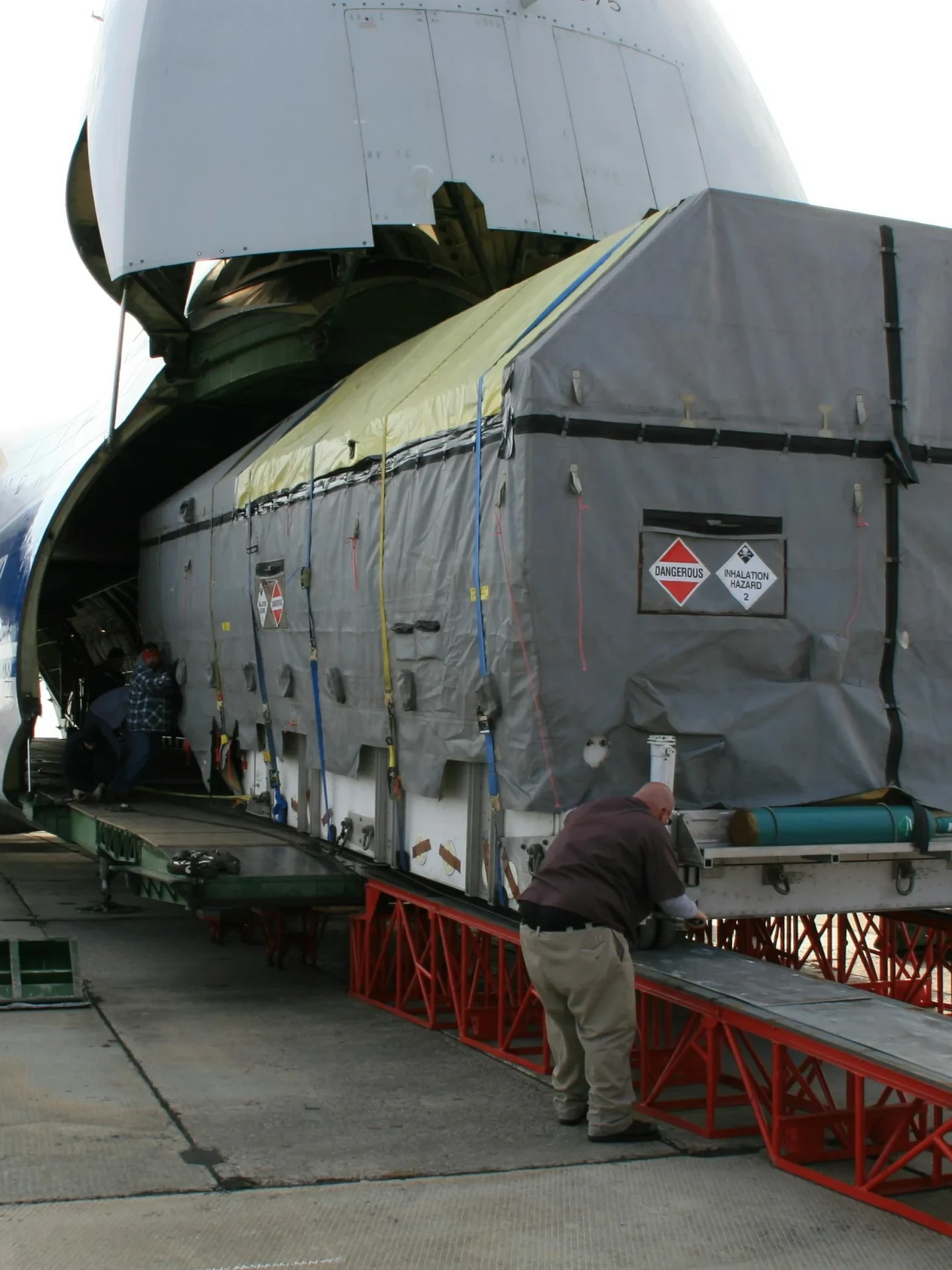
Prepared from the linked primary references and public field research. Field photographs illustrate general handling; worked examples use separate hypothetical figures. Acceptance, charges and destination requirements should be checked against the specific shipment and current operator or authority instructions.