 Skip to content

Air cargo pallet dimensions should describe the finished shipping unit, including its pallet, packaging, and protrusions. Before booking, confirm footprint, height, weight, forklift access, restraint, and whether stacking is permitted. Distinguish your shipping pallet from airline loading equipment, and obtain written acceptance and pricing assumptions for the actual packed configuration. [1][2]
Understand which pallet you are measuring
For China exporters and overseas buyers, the useful question is not simply “What pallet size should we use?” It is “What finished unit can the planned handling chain accept?” IATA describes air cargo as an end-to-end process involving several parties, not a single handover. Its handling guidance emphasizes common procedures across forwarders, airlines, and ground handlers. [1][2]
A shipper pallet is the base supporting your packed goods. An airline unit load device, or ULD, is equipment used for aircraft loading; a pallet-type ULD is not interchangeable with an ordinary shipping pallet. Treat this distinction as an operational clarification: giving a forwarder your shipper-pallet dimensions does not establish acceptance for a particular aircraft loading arrangement. Obtain that confirmation separately. [1][2]
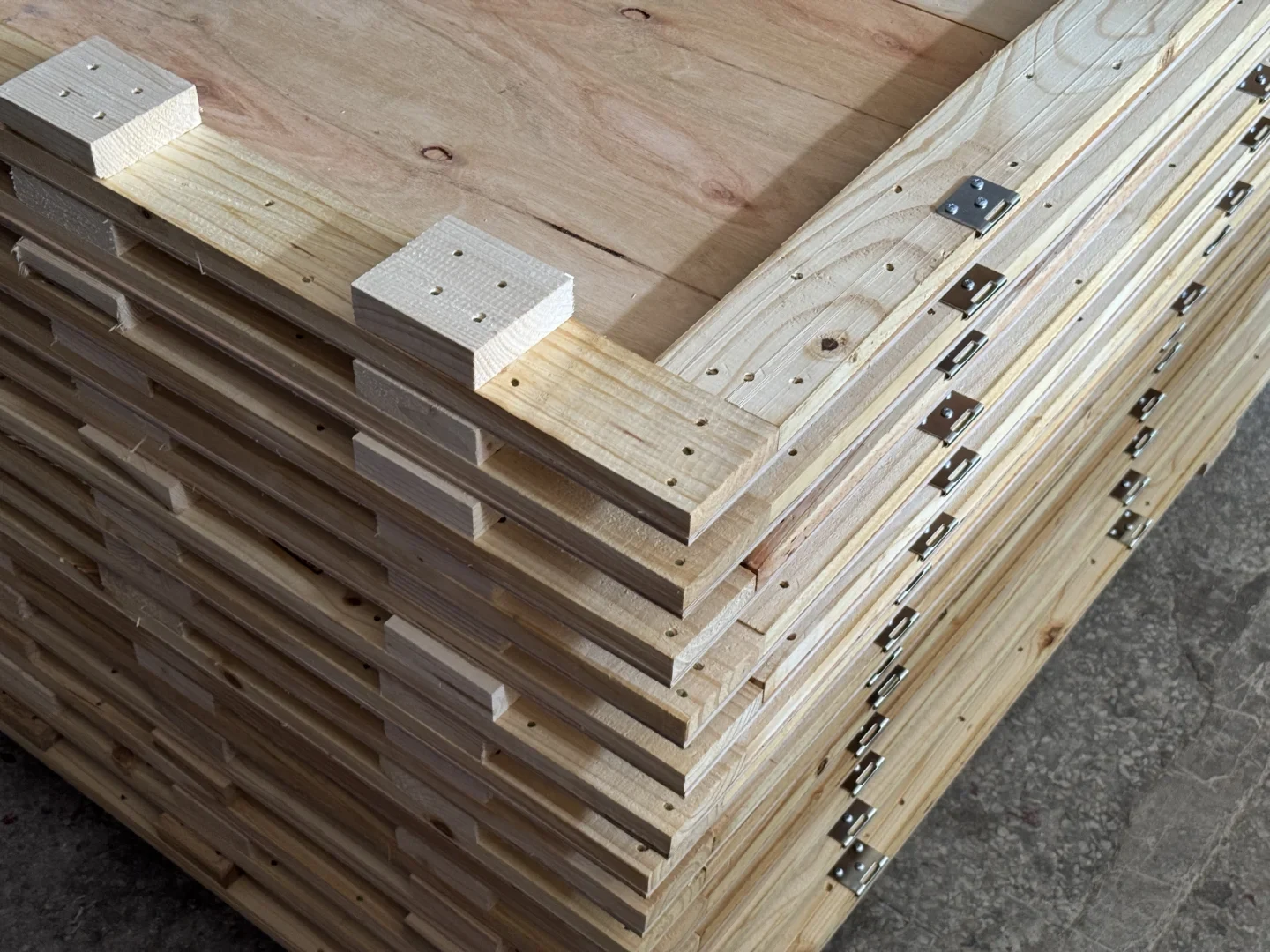
The practical recommendations below are inferences from IATA’s emphasis on coordinated handling, rather than quoted equipment specifications. The supplied material does not establish universal pallet sizes, aircraft clearances, forklift specifications, or stack-load limits. Those details need shipment-specific confirmation. [1][2]
Measure footprint, overhang, and finished external dimensions
Record two different things: the pallet footprint, meaning the base’s length and width, and the finished external dimensions, meaning the greatest length, width, and height of the complete shipping unit. Include the pallet, wrapping, corner protection, top protection, and anything projecting beyond the base. As a practical measurement rule, use the outermost points, not carton dimensions copied from an earlier packing list. [1][2]
Overhang means goods or packaging extend beyond the pallet edge. It matters because the base no longer describes the whole unit. The practical risks to review include exposed carton edges, contact with adjacent freight, and unsupported packaging. Do not assume overhang is acceptable merely because the shipment can stand upright in the warehouse. Ask the receiving handler to assess the proposed configuration. [1][2]
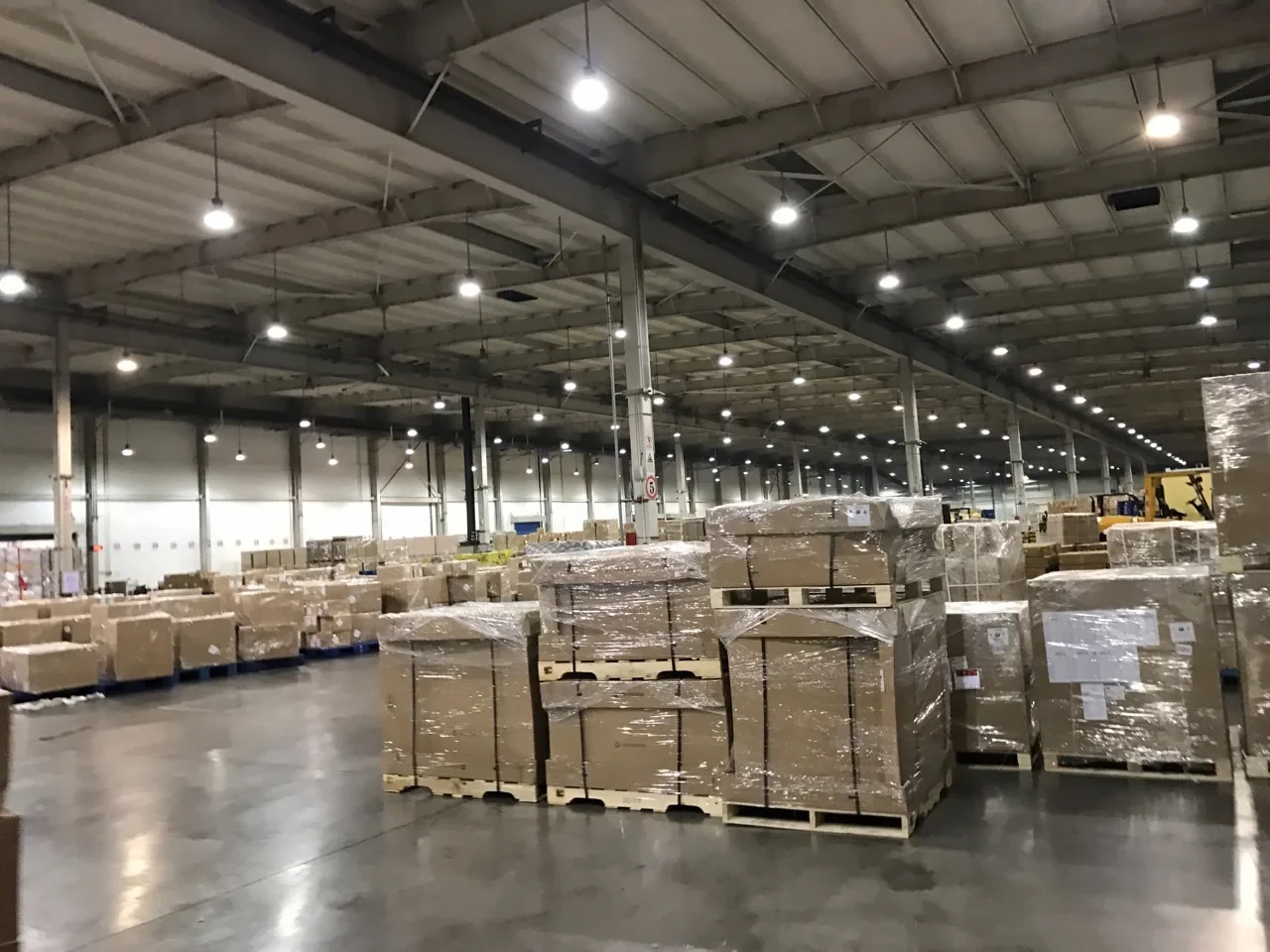
| Configuration | Dimensions to report | Main acceptance question |
|---|---|---|
| Cartons within the pallet edges | Finished length, width, and height, including base and protection | Can the unit be handled and loaded as presented? |
| Cartons overhanging the base | Maximum outer dimensions, not just base size | Are exposed edges and support acceptable? |
| Top cap or restraint projecting outward | Dimensions including every projection | Will protection or restraint create clearance problems? |
| Non-stackable shipping unit | Full external dimensions plus a separate stackability declaration | How will the restriction affect acceptance and pricing? |
| Airline pallet-type ULD | Information requested by the airline or handling agent | What loading arrangement applies to this shipment? |
This comparison is a practical booking framework inferred from the need for consistent information across handling stages; it is not an airline acceptance chart. [1][2]
Check forklift entry, restraint, and stackability separately
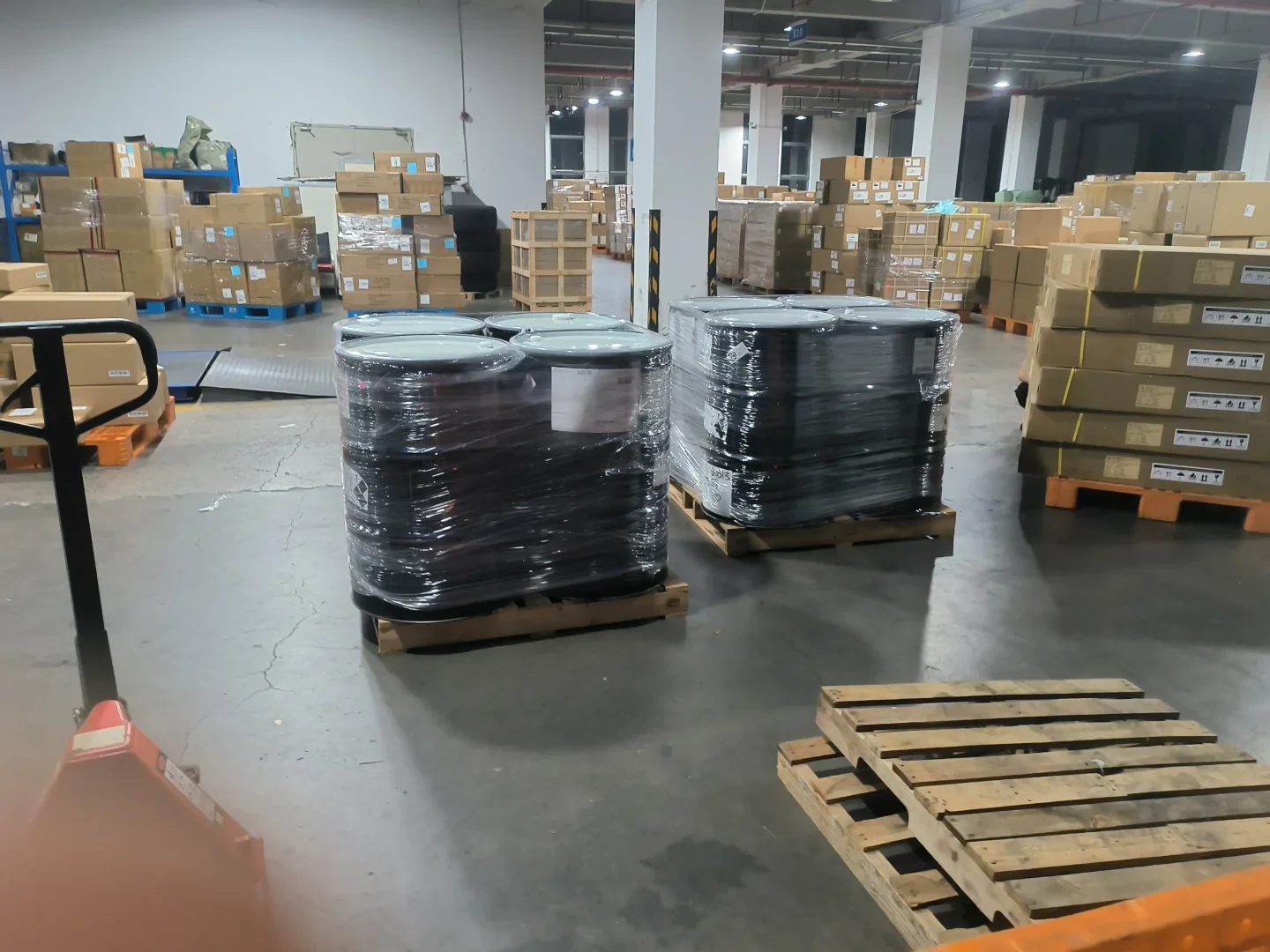
Forklift entry concerns how handling equipment can access the base. Ask the packing supplier to identify usable entry sides and any obstruction from boards, wrapping, straps, or hanging packaging. Then confirm compatibility with the receiving facility. A photograph helps explain the arrangement, but it does not replace acceptance by the party handling the cargo. [1][2]
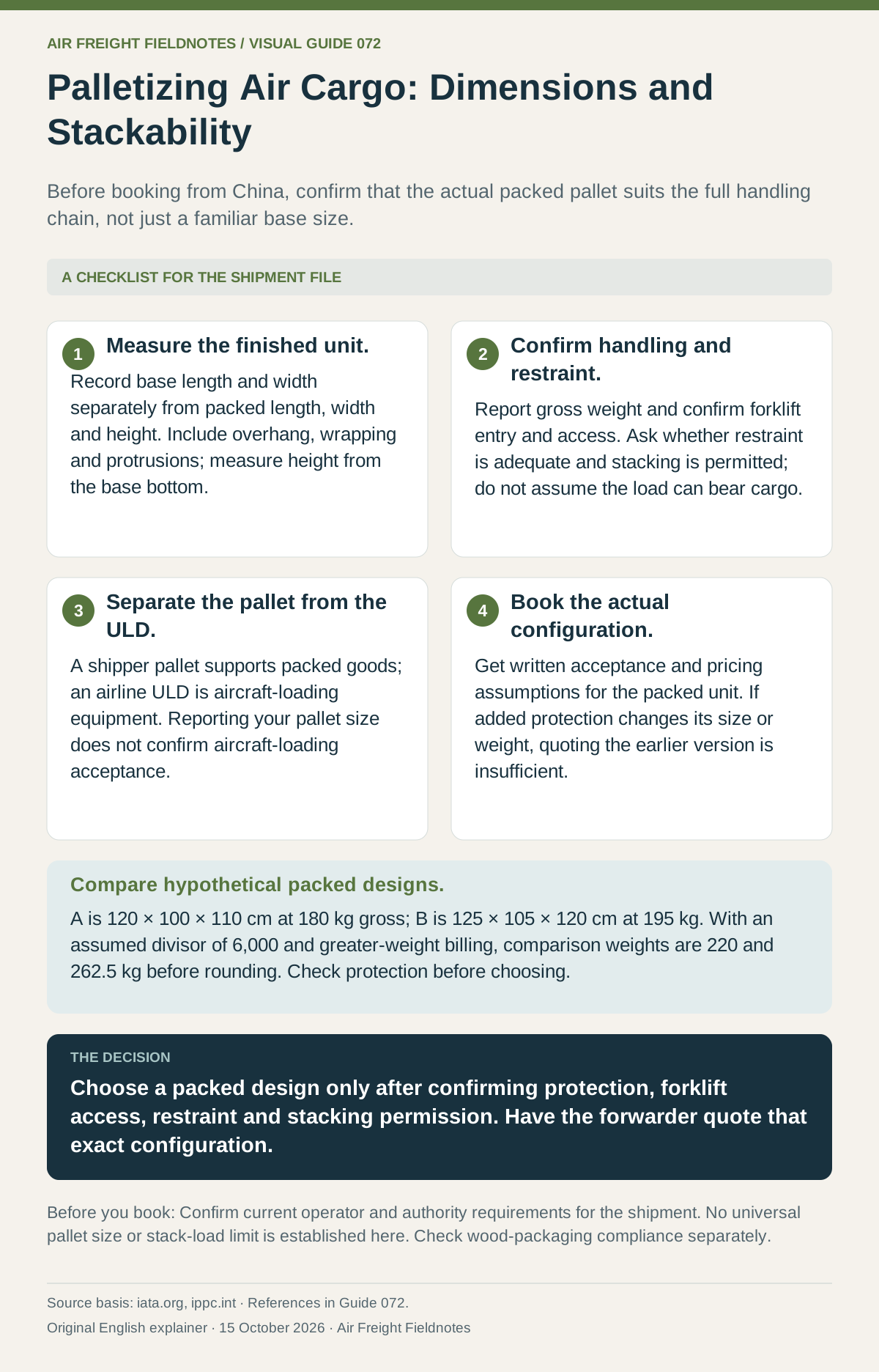
Read the infographic as text
Before booking from China, confirm that the actual packed pallet suits the full handling chain, not just a familiar base size.
- Measure the finished unit. Record base length and width separately from packed length, width and height. Include overhang, wrapping and protrusions; measure height from the base bottom.
- Confirm handling and restraint. Report gross weight and confirm forklift entry and access. Ask whether restraint is adequate and stacking is permitted; do not assume the load can bear cargo.
- Separate the pallet from the ULD. A shipper pallet supports packed goods; an airline ULD is aircraft-loading equipment. Reporting your pallet size does not confirm aircraft-loading acceptance.
- Book the actual configuration. Get written acceptance and pricing assumptions for the packed unit. If added protection changes its size or weight, quoting the earlier version is insufficient.
Compare hypothetical packed designs. A is 120 × 100 × 110 cm at 180 kg gross; B is 125 × 105 × 120 cm at 195 kg. With an assumed divisor of 6,000 and greater-weight billing, comparison weights are 220 and 262.5 kg before rounding. Check protection before choosing.
Decision: Choose a packed design only after confirming protection, forklift access, restraint and stacking permission. Have the forwarder quote that exact configuration.
Confirm current operator and authority requirements for the shipment. No universal pallet size or stack-load limit is established here. Check wood-packaging compliance separately.
Restraint concerns keeping the goods together and supported during handling. Review how cartons are secured to the base, whether straps could crush packaging, and whether the load can shift inside apparently neat wrapping. These are recommended review questions, not a universal restraint design. Heavy, fragile, or unusually shaped goods need a packing plan appropriate to the product and handling requirements. [1][2]
Stackability is a separate issue. A flat top does not establish that a load can safely support freight above it. Ask the packaging designer for any supported loading conditions, and communicate restrictions explicitly. Do not convert an untested package into “stackable cargo” simply by adding a top board or removing a warning label. [1][2]
A likely failure case is inconsistent information: the exporter marks the pallet non-stackable while the booking describes it as stackable. Another is a restraint change that blocks fork entry. Inference: checking these details together before collection should reduce avoidable handling disputes, although it cannot guarantee acceptance or delivery. [1][2]
Use a pre-booking checklist and compare finished configurations
Use this recommended checklist before approving collection. It translates IATA’s coordinated-handling approach into questions for the exporter, buyer, packer, and forwarder. One business may perform several of these roles; what matters is assigning responsibility clearly. [1][2]
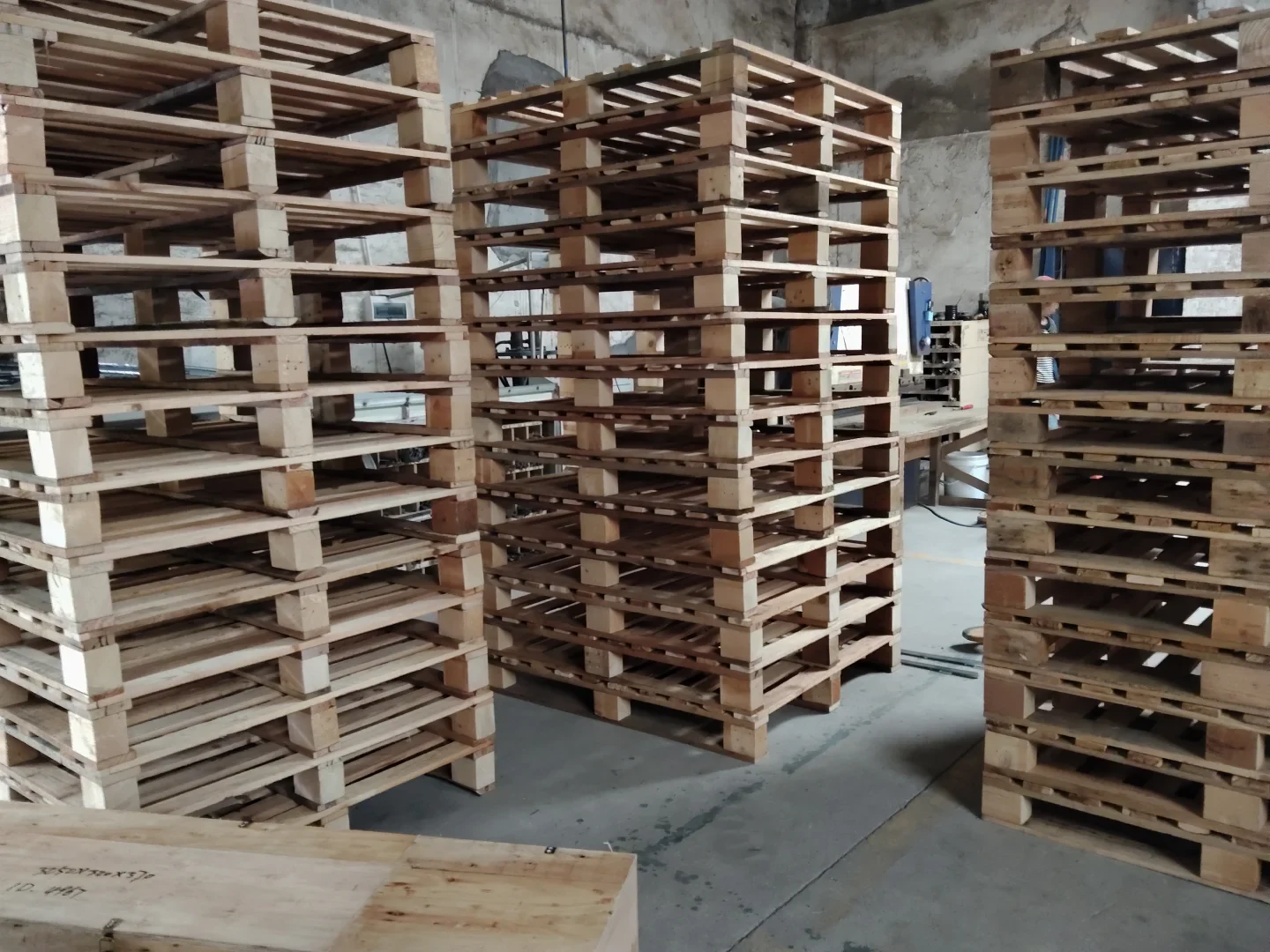
- Measure each finished unit at its widest, longest, and highest points.
- Record gross weight including the pallet and packing materials.
- Identify overhang, projections, and usable forklift-entry sides.
- Confirm restraint and declare stackability or specific restrictions.
- Send photographs showing the base, sides, top, and entry openings.
- Request written acceptance for the actual packed configuration.
- Ask which measurement, rounding, remeasurement, and repacking terms apply.
- Update shipment information if packing changes after quotation.
Hypothetical worked decision example: A China exporter compares two packing designs. Design A measures 120 × 100 × 110 cm and weighs 180 kg gross. Design B adds protection and measures 125 × 105 × 120 cm, weighing 195 kg gross. Assume the quotation contract uses a divisor of 6,000 and charges on the greater of gross or volumetric weight. This divisor is an example, not a universal rule. [1][2]
Under those hypothetical terms, A has volumetric weight of 220 kg; B has 262.5 kg. Before contractual rounding, their comparison weights are therefore 220 kg and 262.5 kg. The exporter should not select A solely because it is smaller: first confirm whether its protection, restraint, and stackability are adequate. If B is necessary, obtain a revised quotation rather than submitting A’s dimensions. No price or transit outcome is assumed. [1][2]
Frequently asked questions
Is there one standard set of air cargo pallet dimensions?
The cited references do not establish one universal size. Confirm your finished shipping-unit dimensions with the forwarder and the relevant handling parties. A familiar pallet footprint alone does not demonstrate aircraft or handling acceptance. [1][2]
Should height include the pallet itself?
For the finished-unit measurement recommended here, yes. Measure from the bottom of the base to the highest point, including protection and projections. Reporting carton height alone leaves the receiving parties without the complete external envelope. [1][2]
Does wooden packaging need a separate compliance check?
Yes—treat it as a separate verification task. The supplied IPPC source identifies ISPM 15 as addressing wood packaging in international trade, but the excerpt does not provide detailed requirements or exemptions. Check the applicable requirements rather than assuming dimensional acceptance also establishes wood-packaging compliance. [3]
Sources and further reading
- IATA - What to Know About Air Cargo HandlingPrimary source · Retrieved 15 October 2026
- IATA - IATA Cargo Handling Manual (ICHM)Primary source · Retrieved 15 October 2026
- ISPM 15 - Regulation of Wood Packaging Material in International TradePrimary source · Retrieved 15 October 2026
Field research
- Reddit field research 1Topic discovery and anecdotal context; not evidence of a general rule.
- Reddit field research 2Topic discovery and anecdotal context; not evidence of a general rule.
Prepared from the linked primary references and public field research. Field photographs illustrate general handling; worked examples use separate hypothetical figures. Acceptance, charges and destination requirements should be checked against the specific shipment and current operator or authority instructions.