 Skip to content
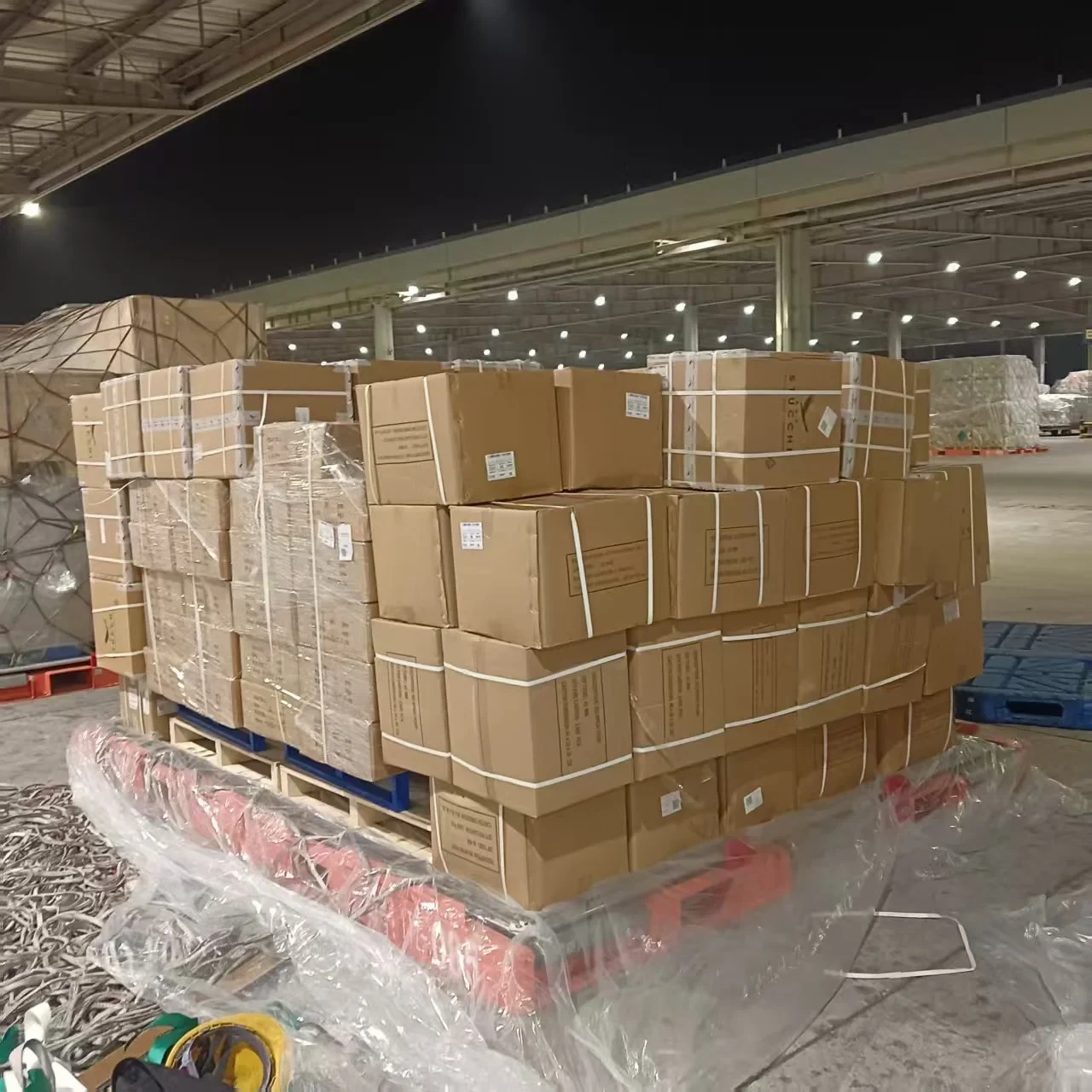
ICS2 air cargo preparation starts with accurate shipment data, clear goods descriptions, and an agreed filing process. Goods entering or transiting the EU require advance safety and security information through an Entry Summary Declaration. Coordinate shipment details across suppliers and transport partners; do not assume a booking alone completes compliance. [2]
What ICS2 does—and what this guide assumes
ICS2 is the EU’s advance cargo information system. Economic operators bringing goods into or through the EU must declare safety and security data through an Entry Summary Declaration, or ENS. Customs uses that information for risk analysis and more targeted controls. Its purpose is security assessment, not simply recording a transport booking. [1][2]
This guide assumes a China-origin commercial air shipment entering or transiting the EU. It addresses data preparation rather than product-specific import requirements. The available guidance does not establish filing deadlines, mandatory field specifications, or responsibility for every transport arrangement. Confirm those details with the party managing your shipment’s ENS submission. [2]
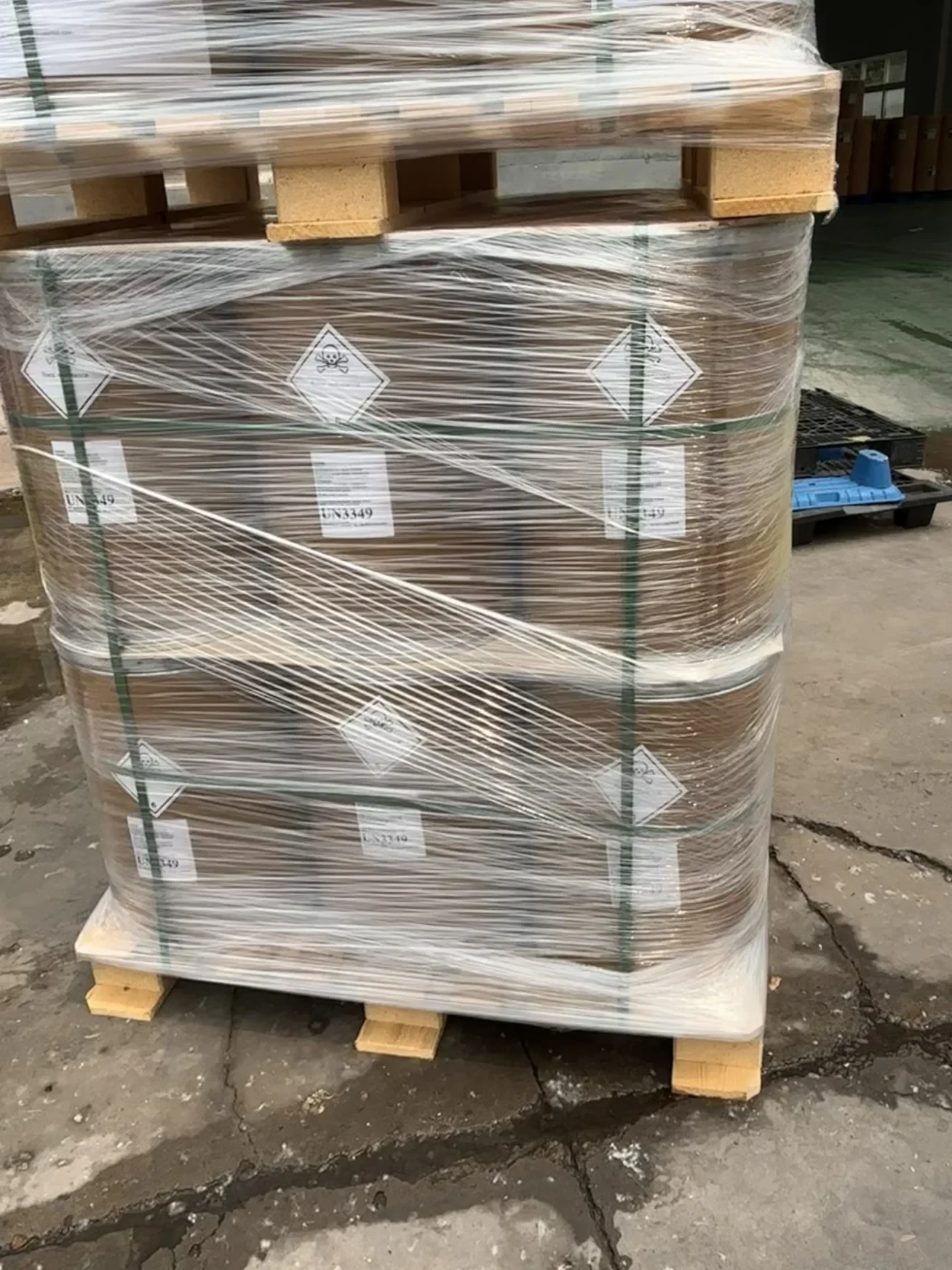
A practical recommendation is that exporters and buyers should treat data readiness as a separate task from arranging uplift. Agree who supplies information, who checks it, who submits it, and who handles questions. An agreed process does not promise release or delivery: the ENS supports risk analysis and potentially targeted controls. [2]
Coordinate house and master information before submission
For planning purposes, distinguish the individual customer shipment—the house-level view—from the consolidated transport movement—the master-level view. These are working descriptions, not a statement of ICS2’s technical filing rules. Ask your forwarder how your shipment is represented and how information from different parties will be linked in its filing process. [2]
The operational recommendation is to create one agreed shipment record rather than let each participant reconstruct it from separate emails. Include the actual trading parties, goods description, package information, weights, and shipment references requested by the filer. This is a preparation list, not an authoritative list of mandatory ENS fields. [2]
Use the comparison below to allocate checks. It is an inferred workflow, not a legal assignment of responsibility. One business may perform several functions; confirm the arrangement for your shipment rather than relying on job titles alone. [2]
| Data view or task | Suggested check | Failure to prevent |
|---|---|---|
| Supplier goods information | Describe the actual products and check supporting documents. | A sales nickname replacing a usable description. |
| House-level shipment | Check the individual shipment’s parties, contents, and references. | Details copied from another customer’s shipment. |
| Master-level movement | Ask how individual shipments connect to the consolidated movement. | Missing or mismatched links between records. |
| ENS submission | Identify the submitting party and its required inputs. | Each participant assuming another has filed. |
| Changes and questions | Name a contact who can verify facts and coordinate corrections. | Conflicting updates sent through separate channels. |
If a transport partner changes, repeat the responsibility check. As an operational inference, an earlier agreement may no longer describe who holds the data or manages submission. Ask for confirmation of the revised arrangement rather than assuming the original instructions still apply. [2]
Write descriptions that explain the actual goods
Because ICS2 supports security risk analysis, a useful preparation principle is to describe what the goods actually are. Avoid relying only on internal stock codes, brand names, or broad labels. This is practical guidance inferred from the system’s purpose, not a quoted EU description standard or assurance of acceptance. [1][2]
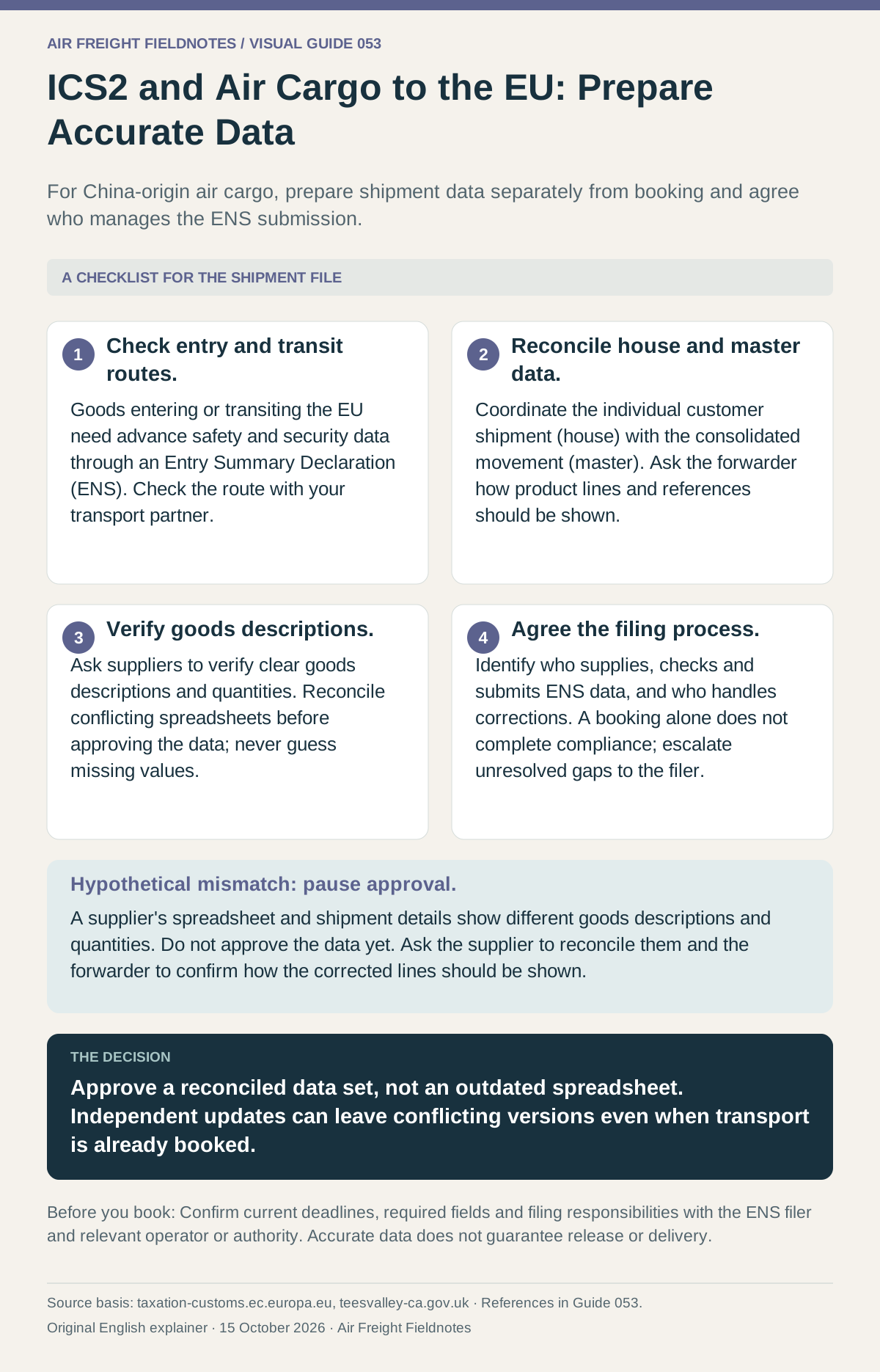
Read the infographic as text
For China-origin air cargo, prepare shipment data separately from booking and agree who manages the ENS submission.
- Check entry and transit routes. Goods entering or transiting the EU need advance safety and security data through an Entry Summary Declaration (ENS). Check the route with your transport partner.
- Reconcile house and master data. Coordinate the individual customer shipment (house) with the consolidated movement (master). Ask the forwarder how product lines and references should be shown.
- Verify goods descriptions. Ask suppliers to verify clear goods descriptions and quantities. Reconcile conflicting spreadsheets before approving the data; never guess missing values.
- Agree the filing process. Identify who supplies, checks and submits ENS data, and who handles corrections. A booking alone does not complete compliance; escalate unresolved gaps to the filer.
Hypothetical mismatch: pause approval. A supplier's spreadsheet and shipment details show different goods descriptions and quantities. Do not approve the data yet. Ask the supplier to reconcile them and the forwarder to confirm how the corrected lines should be shown.
Decision: Approve a reconciled data set, not an outdated spreadsheet. Independent updates can leave conflicting versions even when transport is already booked.
Confirm current deadlines, required fields and filing responsibilities with the ENS filer and relevant operator or authority. Accurate data does not guarantee release or delivery.
For a hypothetical example, replace “accessories” with “woven polyester laptop sleeves” if that accurately describes the shipment. Replace “parts” with “steel mounting brackets for office desks” when that is the actual product. Do not add materials, uses, or specifications you have not verified. Ask the supplier when the description is uncertain. [2]
Mixed shipments deserve particular attention. As an inferred checking method, compare each product line with the invoice and packing information, then ask the filer how it needs those lines represented. Do not collapse different products into one convenient label merely to shorten an email. Accuracy matters more than making the description sound technical. [2]
A clear description alone cannot settle every issue. Customs may still identify a need for controls, and the available guidance does not define a wording formula that prevents questions. Treat description quality as one part of data preparation, alongside correct relationships between shipment records and a workable response process. [1][2]
Use a pre-submission checklist and a decision test
The following checklist is a recommended workflow inferred from the ENS requirement. Use it with your filer’s instructions; it is not a substitute for its technical requirements or the rules applicable to your shipment. [2]
- Confirm whether the route enters or transits the EU.
- Identify who manages ENS submission and who supplies each input.
- Request the filer’s data template and operational cut-off.
- Verify goods descriptions against supplier information.
- Cross-check parties, quantities, weights, and references across documents.
- Confirm how house-level records connect to the master-level movement.
- Resolve discrepancies before treating the data set as ready.
- Agree how changes, submission status, and questions will be communicated.
- Keep an agreed version of the information supplied. [2]
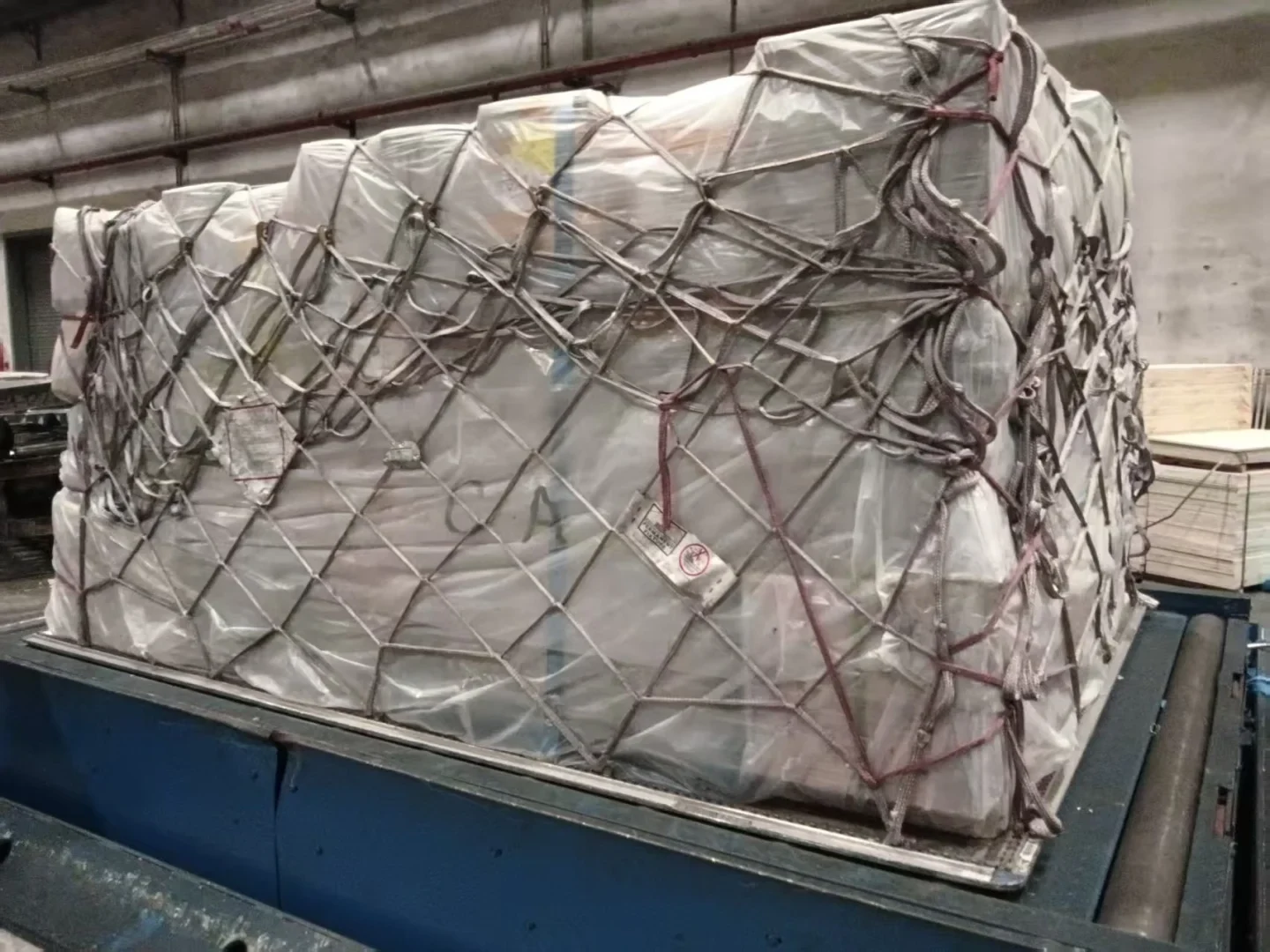
Hypothetical worked decision example: A Chinese supplier prepares 12 cartons containing laptop sleeves and desk brackets for an EU buyer. Its draft description says “accessories.” The packing information separates the products, but the buyer’s spreadsheet shows only one combined line. The forwarder asks for the final shipment data. [2]
The recommended decision is to resolve the mismatch before approving that data set. Ask the supplier to verify both descriptions and quantities, reconcile the spreadsheet, and ask the forwarder how the product lines and shipment references should be represented. Then confirm who will submit and handle any questions. This is a hypothetical workflow, not a reported shipment outcome. [2]
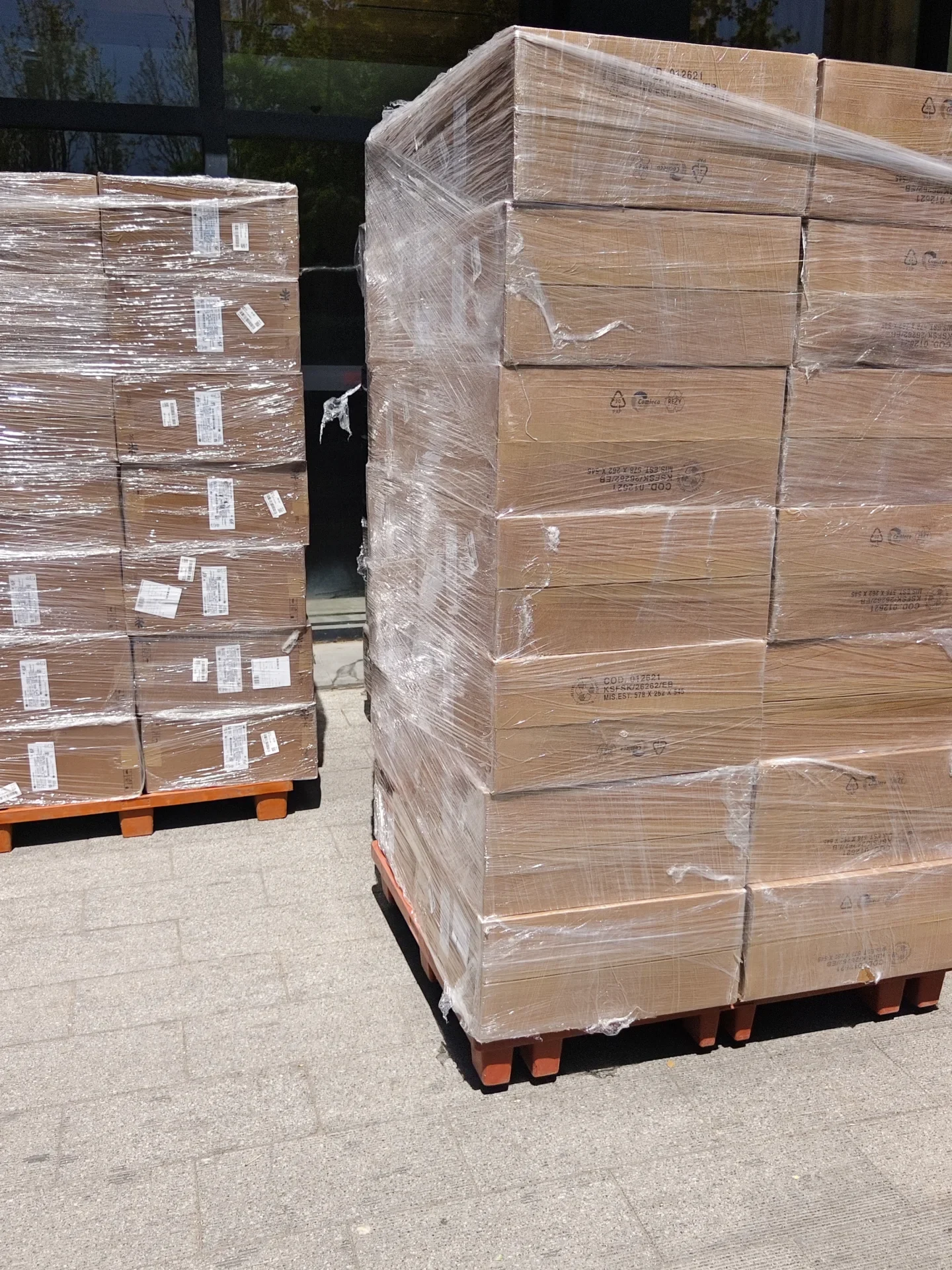
The decision fails if the supplier guesses the contents, the buyer approves an outdated spreadsheet, or participants update different versions independently. Those are inferred process risks. If a discrepancy remains unresolved, escalate it to the filer rather than inventing a value or assuming that another document will explain it. [2]
FAQs about ICS2 air cargo preparation
Does ICS2 apply when goods only transit the EU?
Yes. The supplied Commission information expressly covers goods brought into or transiting through the EU. Check the planned route with your transport partner rather than considering only the final destination. The route check is a practical recommendation based on that scope. [2]
Who should submit the ENS for my shipment?
The available guidance states the obligation for relevant economic operators but does not resolve every air-cargo filing arrangement. Ask your transport partner to identify the submitting party, required contributions, and correction contact. Do not infer responsibility solely from who booked or paid for transport. [2]
Will accurate data guarantee release or delivery?
No such guarantee follows from the evidence. ENS information supports safety and security risk analysis and targeted controls. Accurate preparation is sensible, but this guide cannot promise an assessment outcome, release time, or delivery date. [1][2]
Sources and further reading
- The EU advance cargo information system (ICS2) helps customs catch smugglers, fraudsters, and criminal activity - Taxation and Customs UnionPrimary source · Retrieved 15 October 2026
- Import Control System 2 - Taxation and Customs Union - European CommissionPrimary source · Retrieved 15 October 2026
Field research
- Reddit field research 1Topic discovery and anecdotal context; not evidence of a general rule.
- Reddit field research 2Topic discovery and anecdotal context; not evidence of a general rule.
Prepared from the linked primary references and public field research. Field photographs illustrate general handling; worked examples use separate hypothetical figures. Acceptance, charges and destination requirements should be checked against the specific shipment and current operator or authority instructions.