 Skip to content
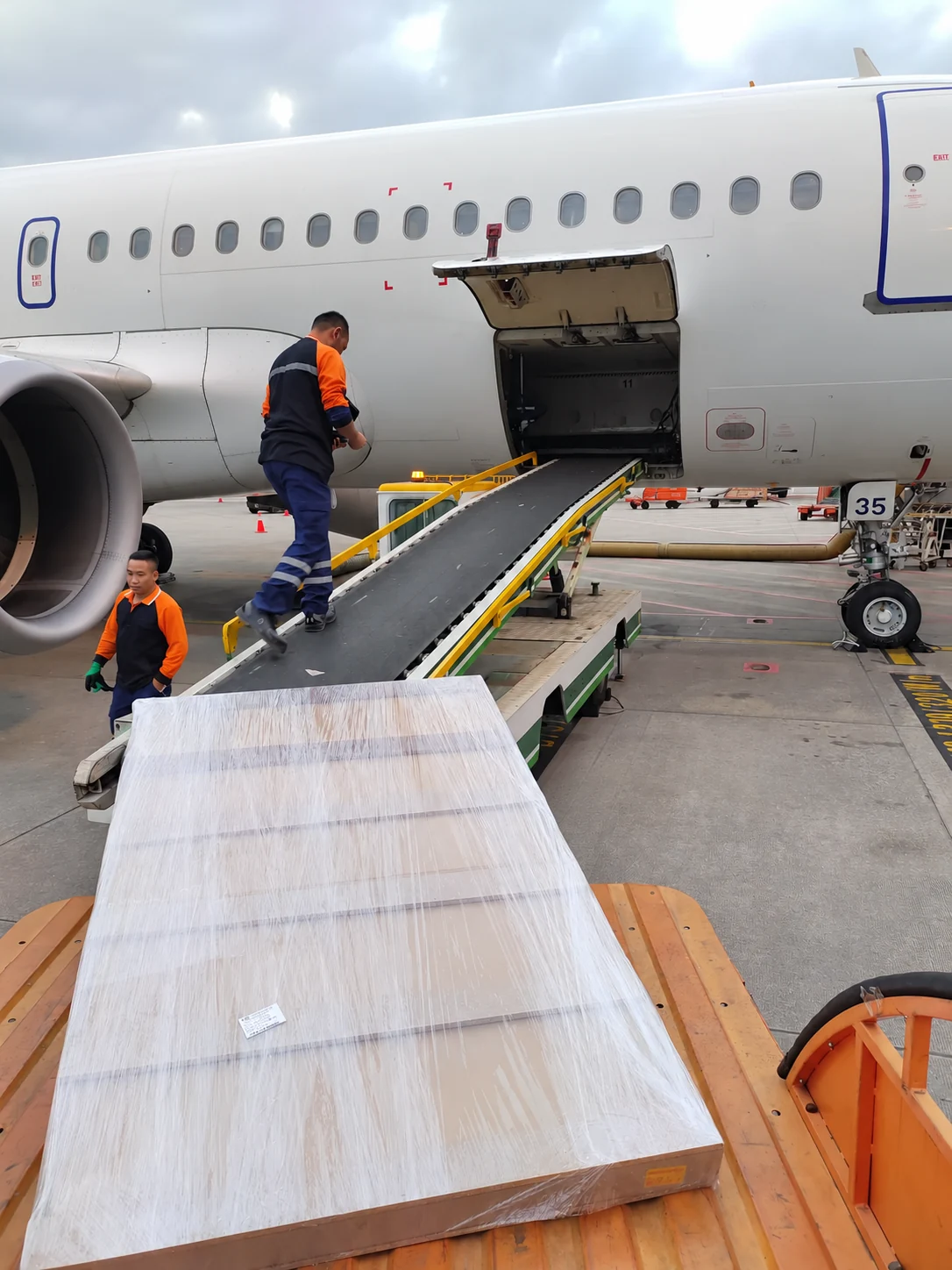
For guangzhou air freight, plan backward from cargo acceptance, not the factory’s ready date. Confirm pickup access, warehouse cutoffs, battery details, documents, and quote scope before booking through CAN. Compare alternative gateways on total cost and operational fit, while treating departure and delivery estimates as conditional, not guaranteed commitments. [1][3]
Plan the factory-to-CAN handover before booking
This guide treats CAN as the proposed export gateway and assumes a commercial shipment collected from a Pearl River Delta factory. The planning recommendations below are inferences from the supplied acceptance and classification guidance, not verified local operating procedures. Confirm warehouse addresses, opening hours, and shipment-specific requirements with the parties handling your cargo. [1][3]
Air cargo handling begins with booking and planning, before goods leave the shipper’s premises. Acceptance checks establish whether the shipment is ready for carriage under applicable operator requirements and export, transit, and import rules. A factory saying “production finished” therefore does not establish that cargo is ready for airline acceptance. [1]
For factory pickup, request a written readiness statement: goods packed, carton count confirmed, dimensions measured, documents prepared, and loading access available. Ask whether the truck can reach the loading point and who will load it. These are practical planning checks inferred from the need to prepare cargo before acceptance. [1]

Build the timeline backward from the receiving warehouse’s confirmed cutoff. Ask whether that means truck arrival, completed unloading, document receipt, or completed acceptance. Separately identify any booking, screening, or document milestones. Do not assume one quoted cutoff covers every step; the available guidance does not establish a standard CAN cutoff. [1]
A useful failure test is simple: if packing finishes late, can the pickup still reach the warehouse with enough time for the required checks? If nobody can explain the remaining steps, treat the plan as incomplete rather than relying on a nominal flight date. This is a planning inference, not a prediction of delay. [1]
Resolve batteries and cargo identity before dispatch
Correct identification comes before classification, packaging, handling, and assessment of tariffs and fees. Describe the actual goods rather than using a vague label such as “accessories.” For products involving batteries, disclose their presence at the quotation stage so the handling party can determine the applicable requirements before collection. [3]
Ask the factory to specify the battery chemistry, whether batteries are installed in equipment, packed with it, or shipped separately, and the available product and battery documentation. This is a recommended information request, not a complete compliance checklist. The available guidance provides no battery limits or universal document list. [1][3]

Ask the forwarder to distinguish documentary review from physical screening and final acceptance. Request written confirmation of what remains unresolved, who must resolve it, and whether collection should wait. No single screening method or acceptance outcome can be established from the cited references; procedures can differ by cargo type. [1]
Failure cases include a factory adding spare batteries after the quote, changing the packing arrangement, or submitting a description that does not match the goods. As a planning inference, any such change should trigger a fresh review of classification, packaging, handling, and price before dispatch. [1][3]
Compare CAN with other gateways on equal terms
For a meaningful guangzhou air freight comparison, ask providers to price the same shipment through CAN and any proposed alternative, such as a Shenzhen or Hong Kong routing. These are comparison candidates, not claims that a particular service is available or preferable. Cargo identity and handling requirements should be established before comparing charges. [1][3]
| Comparison point | CAN proposal | Alternative gateway proposal | Decision test |
|---|---|---|---|
| Factory pickup | Request collection scope and loading assumptions | Request the same scope and any extra handovers | Can the factory meet the pickup plan? |
| Warehouse cutoff | Obtain the exact milestone and location | Obtain equivalent details | Does the plan leave time for acceptance? |
| Battery review | Confirm review status and unresolved requirements | Confirm independently for that routing | Is the proposed shipment acceptable? |
| Chargeable weight | Request dimensions, formula, and rounding basis | Use identical cargo measurements | Are weight assumptions comparable? |
| Price scope | Separate origin, air, and destination charges | Request matching inclusions and exclusions | Which costs remain outside the quote? |
| Timing | Request milestones and conditions | Request equivalent milestones and conditions | What happens if acceptance is missed? |

Read the infographic as text
For Pearl River Delta exports, work backward from cargo acceptance, not the factory’s production finish date.
- 1. Confirm factory pickup readiness. Get written confirmation of packing, carton count, dimensions and documents. Confirm truck access to the loading point and who will load the cargo.
- 2. Define the warehouse cutoff. Confirm the receiving address, hours and whether cutoff means arrival, unloading or completed acceptance. Work backward to set pickup and document milestones.
- 3. Resolve batteries and screening. Identify goods and battery arrangement. Obtain shipment-specific classification, packing, handling and screening instructions before authorizing dispatch.
- 4. Compare CAN with other gateways. Compare total quoted cost, weight assumptions, exclusions and validity. Choose a gateway that fits pickup access, handling needs and acceptance timing.
Hypothetical failure: ready, not accepted A factory finishes production, but battery review remains open and the warehouse requires completed acceptance by cutoff. Do not dispatch on production status alone; confirm review completion and a feasible handover plan.
Decision: Book after confirming pickup readiness, acceptance requirements and equivalent quote scope. Assign clearance and delivery responsibilities; departure and delivery estimates remain conditional.
These planning checks are not verified CAN procedures. Confirm current operator and authority requirements, warehouse details and shipment-specific acceptance before dispatch.
The table is a recommended procurement framework, not a description of live gateway services. Ask each provider to explain the applicable rate basis and shipment-specific fees. The supplied tariff guidance supports identifying and classifying cargo before assessing charges; it does not provide current prices or prove that one gateway costs less. [3]
Hypothetical worked decision example: Assume identical cargo receives a CAN proposal totaling 1,200 currency units and an alternative-gateway proposal totaling 1,100. Assume the second excludes a required transfer quoted separately at 150. Its comparable total becomes 1,250. These invented figures illustrate scope comparison only; they are not market rates. [3]
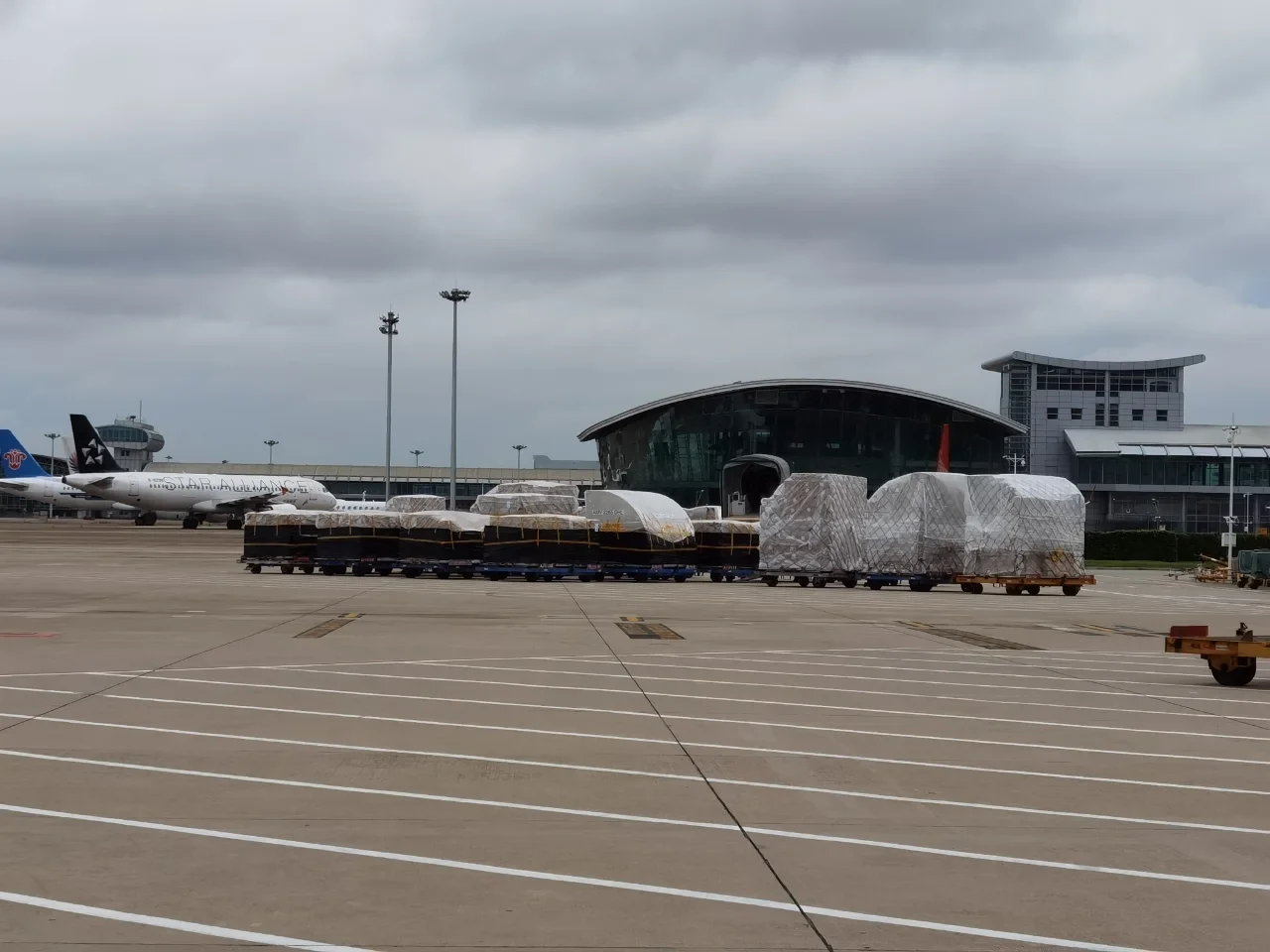
In that hypothetical, CAN is cheaper on the stated scope, but price alone does not complete the decision. If the factory cannot meet CAN’s confirmed acceptance timeline, ask for revised options and costs. Conversely, do not pay more for an alternative merely because its headline transit estimate is shorter; first check the full collection-to-delivery assumptions. [1][3]
Use a release checklist before the truck leaves
Use this checklist as a practical control, not as a substitute for operator or customs requirements. Its purpose is to expose missing information while the goods are still at the factory, when the shipment plan can be reviewed before handover. [1]
- Goods: Confirm the precise description, quantities, battery details, and any changes since quotation.
- Packing: Record final package count, gross weight, and outer dimensions.
- Pickup: Confirm collection address, contact, loading responsibility, and readiness time.
- Warehouse: Obtain the receiving address, reference, cutoff definition, and late-arrival instructions.
- Acceptance: Identify outstanding reviews and who authorizes dispatch.
- Documents: Reconcile descriptions, quantities, prices, and weights across the commercial paperwork.
- Quote: Confirm chargeable-weight assumptions, exclusions, validity, and conditional milestones.
- Destination: Identify who arranges clearance and delivery, and request explicit responsibility assignments.
The document source describes a pro forma invoice as a negotiating document containing goods and price information, leading toward the commercial invoice used for import clearance. Use agreed transaction details to prepare consistent final paperwork. The source’s separate US export-filing discussion should not be treated as a China export instruction. [2]
Frequently asked questions
Does factory readiness mean the cargo can fly?
No. Production completion and cargo acceptance are different milestones. Confirm packing, documents, collection, and the receiving party’s acceptance requirements before treating the shipment as ready for carriage. Cargo must pass the applicable acceptance process. [1]
Can battery-containing goods use the same plan as ordinary cargo?
Do not assume so. Identify the goods and battery arrangement first, then obtain shipment-specific classification, packaging, and handling instructions. The cited references establish the need for identification and cargo-specific procedures, not a universal battery acceptance rule. [1][3]
Is the lowest air-freight quote the best option?
Not necessarily. Compare equivalent scope, weight assumptions, handling requirements, and acceptance timelines. A lower headline figure is not a complete cost comparison when required services remain unpriced. This is a decision-making inference from the supplied planning and tariff guidance. [1][3]
Sources and further reading
- IATA - What to Know About Air Cargo HandlingPrimary source · Retrieved 15 October 2026
- Common Export DocumentsPrimary source · Retrieved 15 October 2026
- IATA - Air Cargo Tariffs and Rules: What You Need to KnowPrimary source · Retrieved 15 October 2026
Field research
- Reddit field research 1Topic discovery and anecdotal context; not evidence of a general rule.
- Reddit field research 2Topic discovery and anecdotal context; not evidence of a general rule.
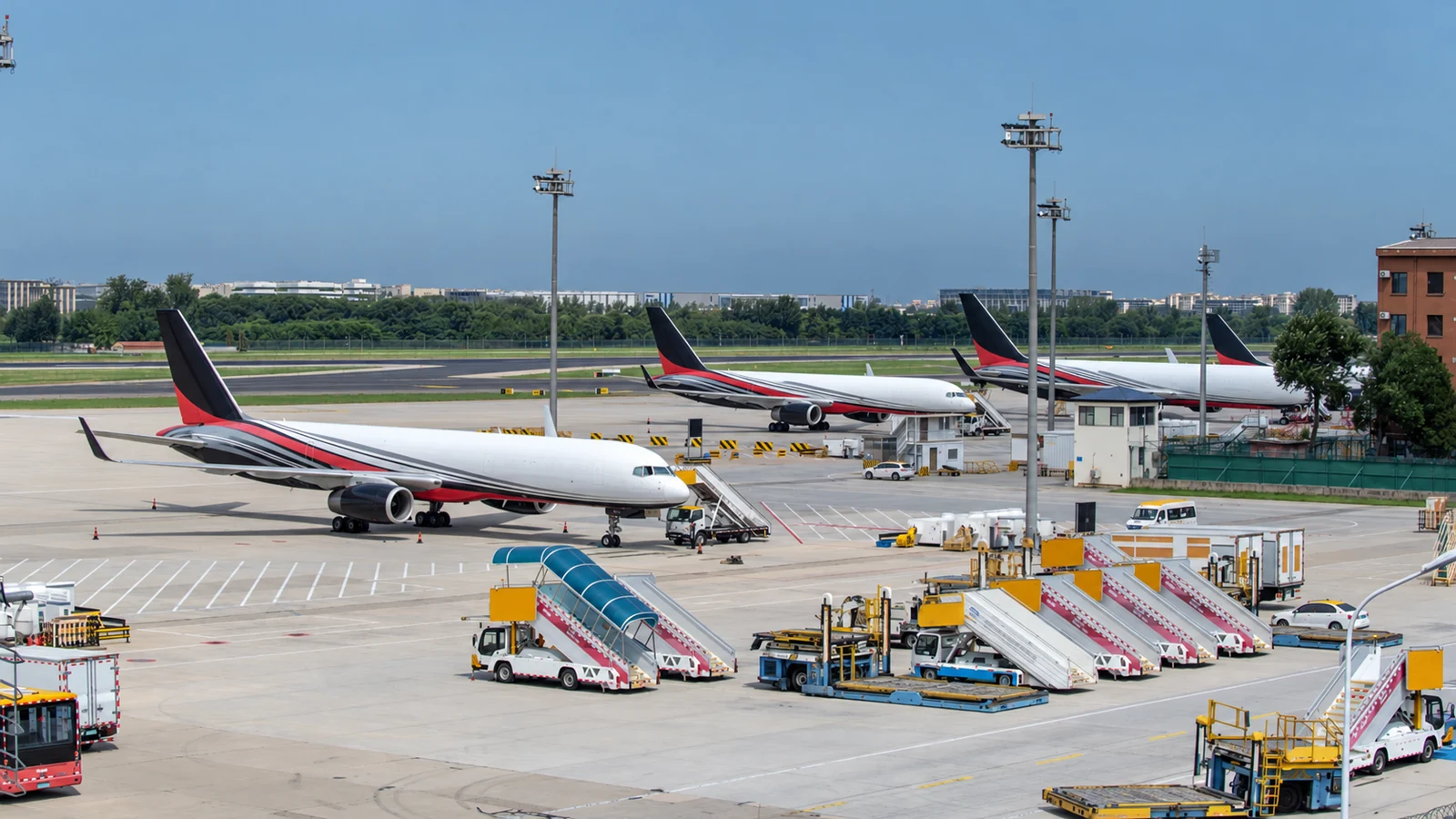
Prepared from the linked primary references and public field research. Field photographs illustrate general handling; worked examples use separate hypothetical figures. Acceptance, charges and destination requirements should be checked against the specific shipment and current operator or authority instructions.