 Skip to content
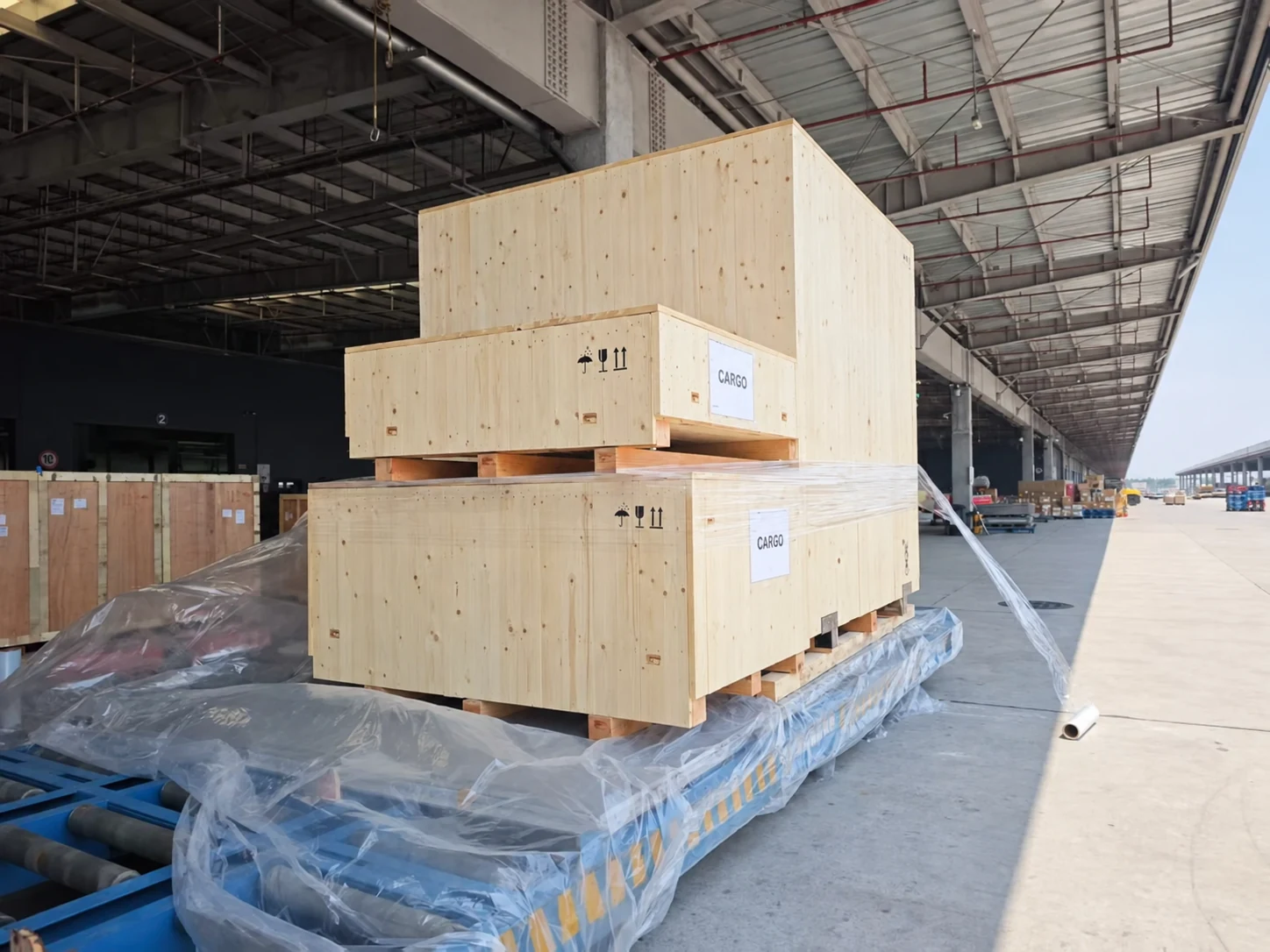
Shanghai air freight through PVG can fit a China shipment when the factory pickup, carrier acceptance, export paperwork, and destination handover work together. Compare the full route, not just airport pricing. Treat an attractive quote as a planning option until capacity, cargo suitability, responsibilities, and charges are confirmed in writing. [1][2][3]
When PVG fits an eastern China pickup
For planning purposes, consider PVG as one candidate gateway for cargo collected in eastern China, rather than the automatic choice for every nearby factory. The practical question is whether the complete pickup-to-delivery plan works. This is a planning inference from IATA’s emphasis on preparation, booking, and requesting capacity—not evidence of a particular flight or available space. [1]
Define the shipment’s catchment through actual collection conditions: factory address, cargo-ready date, loading arrangements, and the proposed road transfer. Ask the forwarder to explain how that pickup connects with cargo tender at PVG. A shorter geographic route is not necessarily the better operational choice if its collection or acceptance arrangements remain unclear. This comparison is a planning inference, not a verified claim about local road performance. [1]

Separate factory readiness from readiness for carriage. Finished goods still need a coherent booking description and supporting documents. IATA describes planning before the shipment leaves the facility and a further acceptance process when the carrier receives it. Therefore, do not treat “production complete” as proof that cargo can immediately enter the air transport chain. [1][3]
Compare the whole route and the whole quote
Ask competing providers to quote the same shipment data and service boundaries. Air cargo tariffs concern transport charges and rating; they do not, by themselves, establish every service included in your commercial offer. The useful planning inference is to separate the air transport price from the other work needed to complete the movement. [2]
| Decision point | PVG with road collection | Another quoted gateway | Evidence to request |
|---|---|---|---|
| Factory handover | Can collection connect with the proposed cargo tender? | Does the alternative offer a more workable collection plan? | Pickup scope, cargo-ready assumption, and tender arrangement |
| Booking | Is capacity merely requested or confirmed? | Is its booking status equally clear? | Written status and outstanding conditions |
| Cargo acceptance | Has the actual commodity and packaging been reviewed? | Has the same cargo description been assessed? | Acceptance requirements and unresolved questions |
| Price basis | What weight basis and services are quoted? | Are dimensions and service boundaries identical? | Rating method, inclusions, exclusions, and validity |
| Destination handover | Who receives the cargo and arranges onward work? | Does the alternative cover the same endpoint? | Named responsibilities and delivery scope |

Check dimensional assumptions explicitly. As a hypothetical contractual example, 1,200,000 cubic centimetres divided by 6,000 gives 200 kg; divided by 5,000 gives 240 kg. Neither divisor is presented here as a universal rule. Ask which method, rounding, minimums, and weight comparison the provider’s offer actually uses. IATA’s tariff discussion supports checking rating terms, not assuming one divisor applies everywhere. [2]
Ask for booking evidence, then track acceptance
Use precise status language. “Quote received,” “capacity requested,” and “cargo accepted” should not be treated as interchangeable milestones. IATA identifies capacity requests during booking and a separate carrier acceptance stage. A sensible inference is to ask the provider what has actually happened, what remains conditional, and which written record supports each update. [1]
Request a booking record identifying the shipment, proposed routing, cargo particulars, and unresolved conditions. Then ask how collection, cargo tender, and acceptance will be reported. This is a recommended evidence trail, not a claim that every provider uses the same document format or workflow. [1]

Read the infographic as text
Choose PVG only when factory pickup, road transfer, carrier acceptance and destination handover form a supported plan.
- Define the eastern China pickup Give the forwarder the factory address, cargo-ready date and loading arrangements. Ask how the road transfer connects to cargo tender at PVG.
- Verify booking evidence A low quote does not prove space is available. Request written booking status, capacity confirmation and conditions before choosing PVG.
- Prepare for carrier acceptance Production completion is not carrier acceptance. Cross-check invoice and packing list descriptions, quantities, weights and packages; resolve acceptance questions.
- Compare the supported full route Use identical cargo data and service boundaries. Confirm charges, responsibilities and destination handover. Reopen the choice if readiness or dimensions change.
Hypothetical route decision A revised PVG quote includes collection and remains cheaper, but the required destination handover is unsupported. With a firm receiving requirement, the buyer chooses the better-supported alternative for the same cargo.
Decision: Choose PVG when the complete pickup-to-delivery plan is supported, not merely because the factory is in eastern China or the air freight quote is lower.
Check current operator and authority requirements for the cargo. Treat a quote as a planning option until capacity, suitability, responsibilities and charges are confirmed in writing.
Document consistency matters alongside booking progress. The supplied export-document guidance distinguishes the pro forma invoice used during negotiation from the commercial invoice used for import clearance, and describes an export packing list with shipment and package details. Compare descriptions, quantities, weights, and package information before handing over the goods. [3]
A key failure case is planning against incomplete cargo data: the quote describes one shipment, while the collected goods differ. Another is confusing a capacity request with a completed booking or completed acceptance. These are inferred planning risks from the separate preparation and acceptance stages; the available guidance does not establish their frequency or any guaranteed recovery time. [1][3]
Use a dispatch checklist and a worked decision
The following checklist translates the supplied planning and documentation guidance into buyer-and-exporter actions. It is a recommended control process, not a substitute for shipment-specific carrier or customs requirements. [1][2][3]
- Freeze the factory address, cargo-ready date, package count, dimensions, and weights.
- Give each quoting provider the same goods description and packaging details.
- Confirm whether the quote covers collection, airport handling, air transport, and destination work.
- Request the rating basis and identify charges still subject to confirmation.
- Ask whether capacity is requested, confirmed, or conditional.
- Resolve cargo acceptance questions before dispatching the collection vehicle.
- Cross-check the commercial invoice and packing list against the physical shipment.
- Name the people responsible for origin handover and destination coordination.
- Record what happens if factory readiness or acceptance changes.
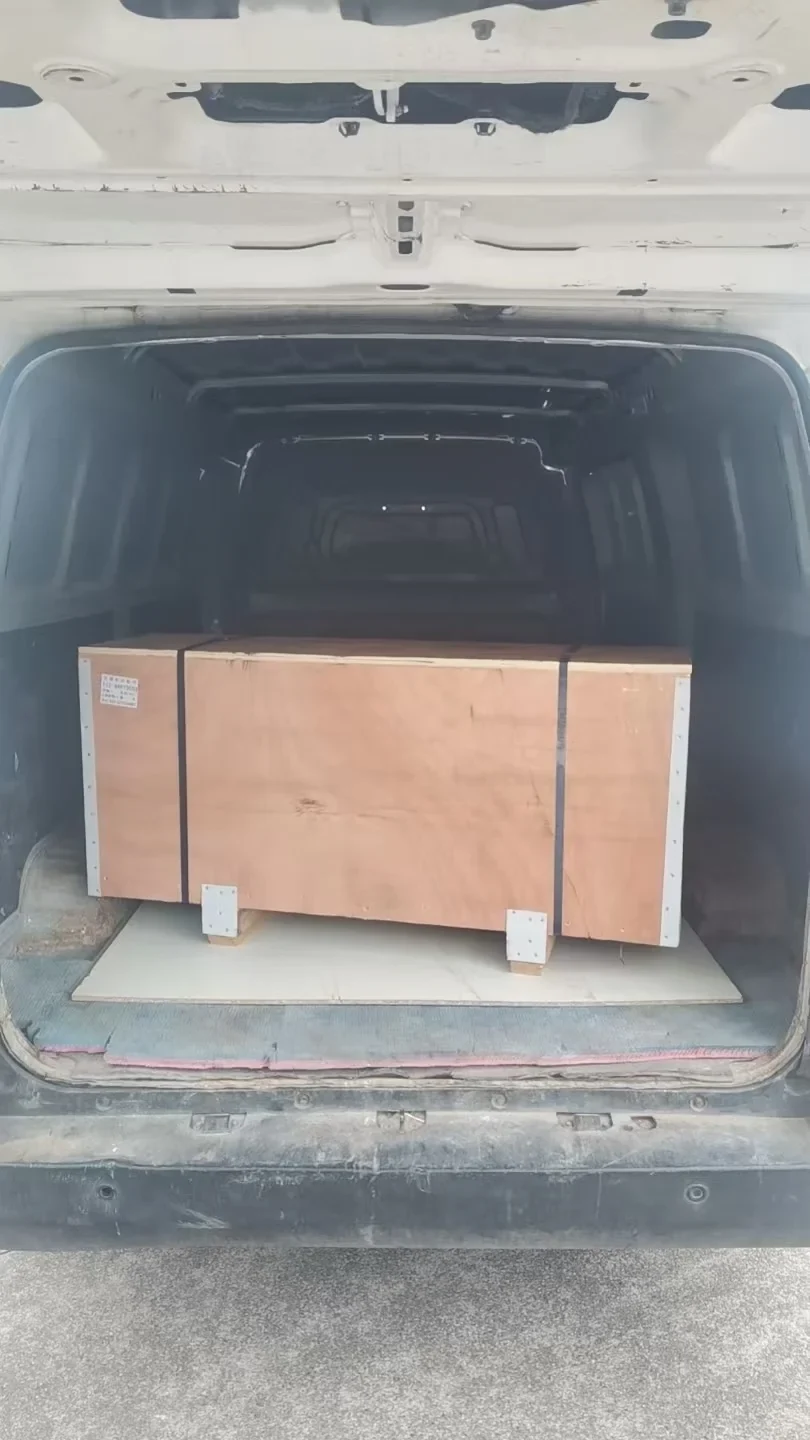
Hypothetical worked decision: An eastern China factory has 12 cartons ready for collection. A buyer receives two offers using identical dimensions and weights. The PVG offer has a lower air transport line, but collection is excluded and capacity is only requested. The alternative includes collection and provides written booking confirmation. These are invented decision inputs, not market observations. [1][2]
The buyer first asks the PVG provider to price collection and clarify booking conditions. Assume its revised total remains lower, but the required handover cannot yet be supported. For a shipment with a firm receiving requirement, the buyer chooses the better-supported alternative—not simply the cheaper air line. This hypothetical decision assumes both providers assessed the same cargo and documents. [1][2][3]
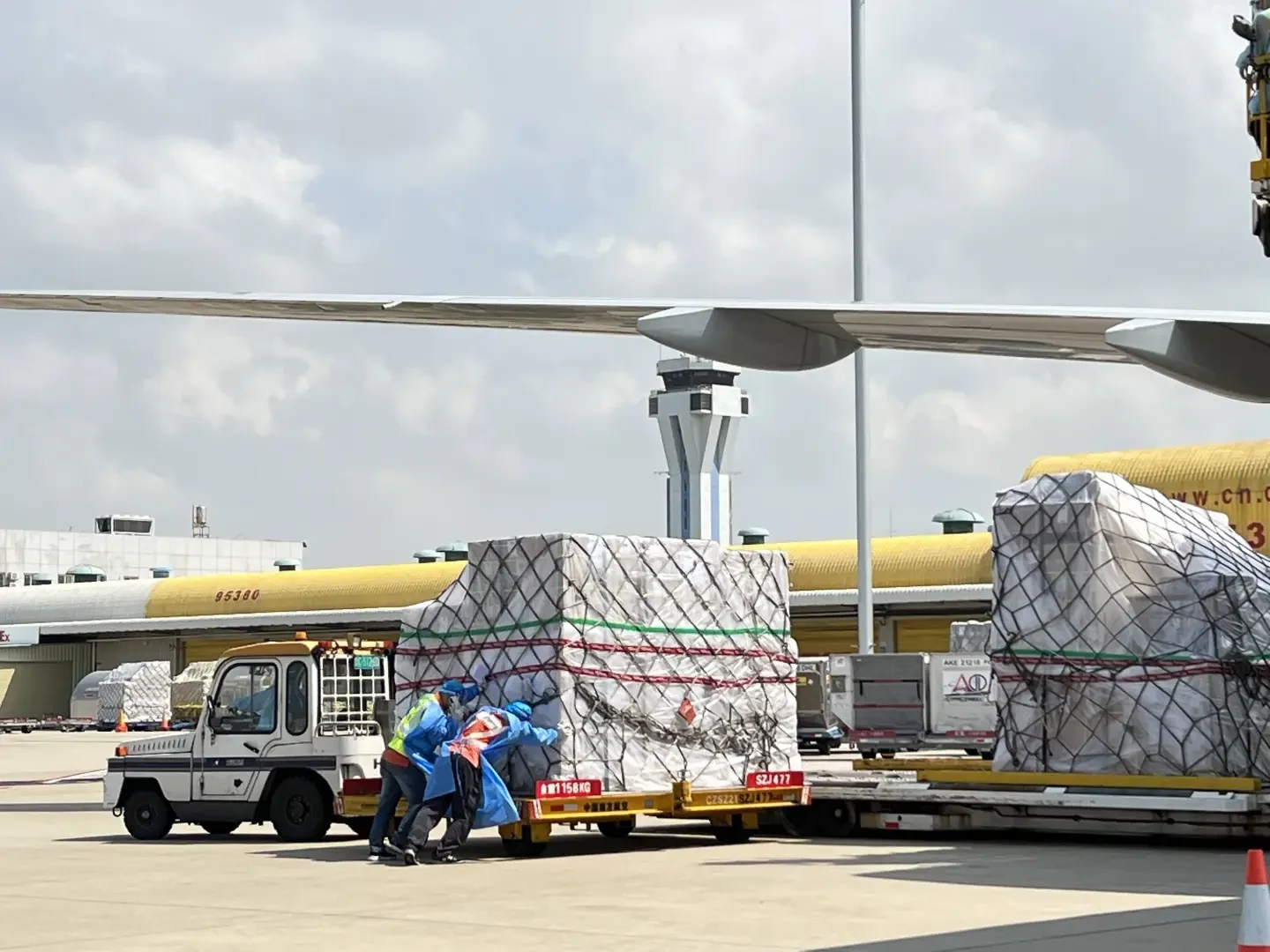
The decision can fail if those assumptions change: carton dimensions may be revised, goods may not be ready, or acceptance questions may remain unresolved. In that case, reopen the comparison rather than preserve the original choice at all costs. This is a planning inference from the need to coordinate booking, cargo preparation, and acceptance. [1][3]
Frequently asked questions about Shanghai air freight
Is PVG always the best choice for an eastern China factory?
No automatic conclusion follows from the available guidance. Compare collection, booking status, acceptance requirements, price scope, and destination arrangements. Treat PVG as a routing candidate whose fit must be demonstrated for the shipment, not assumed from the regional pickup alone. [1][2]
Does a low air freight quote prove capacity is available?
No. A tariff or quoted charge concerns pricing; IATA separately describes requesting capacity during booking. Ask for the actual booking status and its conditions rather than interpreting an attractive price as evidence of space. [1][2]
Which documents should the exporter cross-check first?
Start with the commercial invoice and export packing list. Check that the goods description, quantities, weights, and package details agree with the shipment. Keep the negotiating role of the pro forma invoice distinct from the commercial invoice’s clearance role. [3]
Sources and further reading
- IATA - What to Know About Air Cargo HandlingPrimary source · Retrieved 15 October 2026
- IATA - Air Cargo Tariffs and Rules: What You Need to KnowPrimary source · Retrieved 15 October 2026
- Common Export DocumentsPrimary source · Retrieved 15 October 2026
Field research
- Reddit field research 1Topic discovery and anecdotal context; not evidence of a general rule.
- Reddit field research 2Topic discovery and anecdotal context; not evidence of a general rule.
Prepared from the linked primary references and public field research. Field photographs illustrate general handling; worked examples use separate hypothetical figures. Acceptance, charges and destination requirements should be checked against the specific shipment and current operator or authority instructions.