 Skip to content
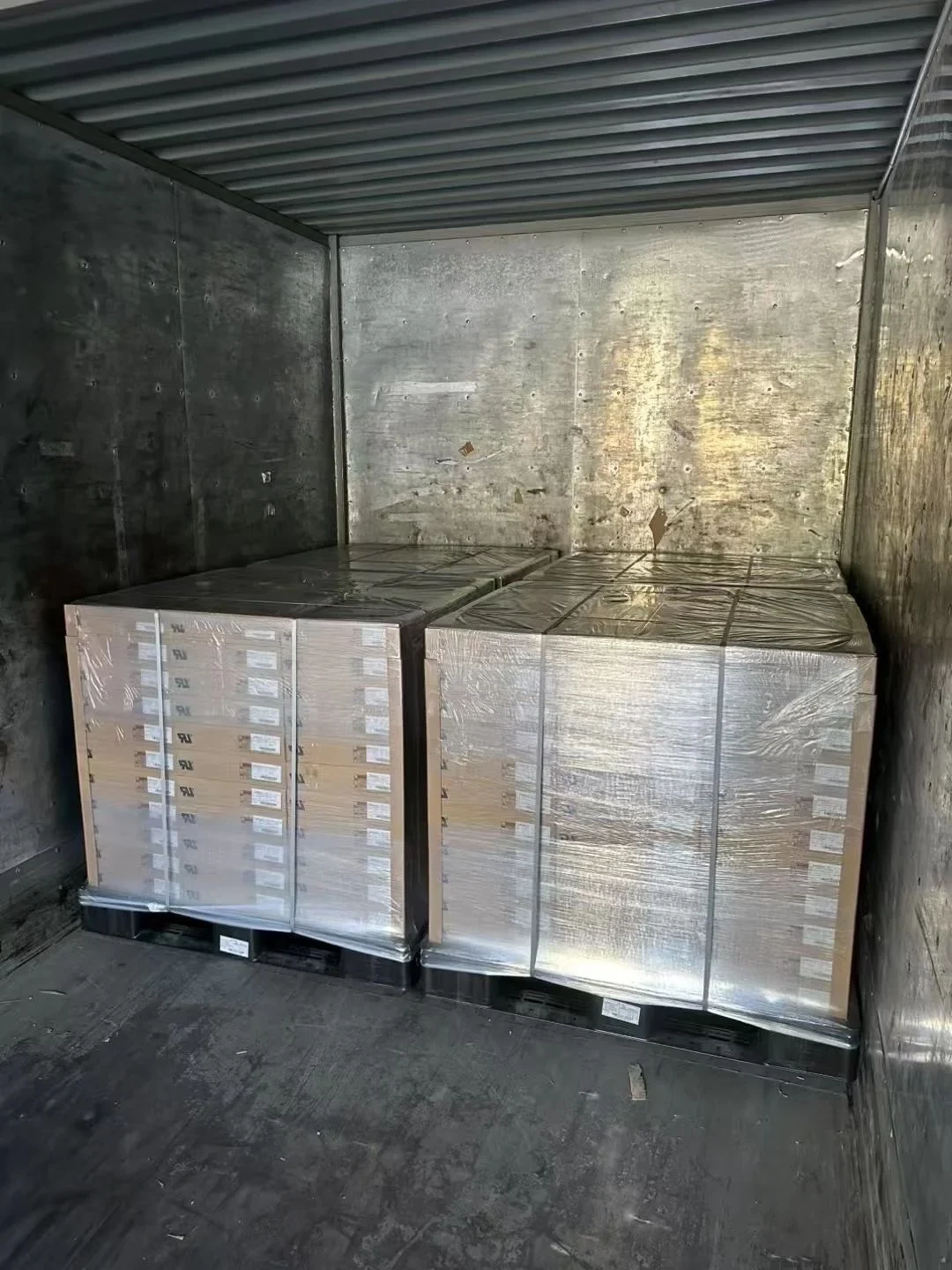
Shipping power banks by air requires battery-specific checks, not acceptance based on a product name. Confirm the product’s battery classification, applicable requirements, proposed aircraft service and operator acceptance before booking. A forwarder’s initial quote does not establish that your shipment is eligible for the route or service offered to you. [1][2][3]
Why a power bank needs a battery-first review
For China exporters and overseas buyers, the first task is to describe what the product actually does. Do not assume that names such as “mobile accessory,” “portable charger” or “travel device” establish its transport classification. The practical recommendation from IATA’s battery and dangerous-goods guidance is to assess a power bank as a battery product first, rather than presume it qualifies as equipment containing a battery. The applicable classification still needs confirmation. [1][3]
This distinction matters because battery guidance addresses different shipping configurations, including batteries packed with equipment and batteries contained in equipment. Those categories should not be selected simply because a power bank has a casing, display or charging ports. Ask the person assessing the shipment to explain the proposed category and its basis. [1]
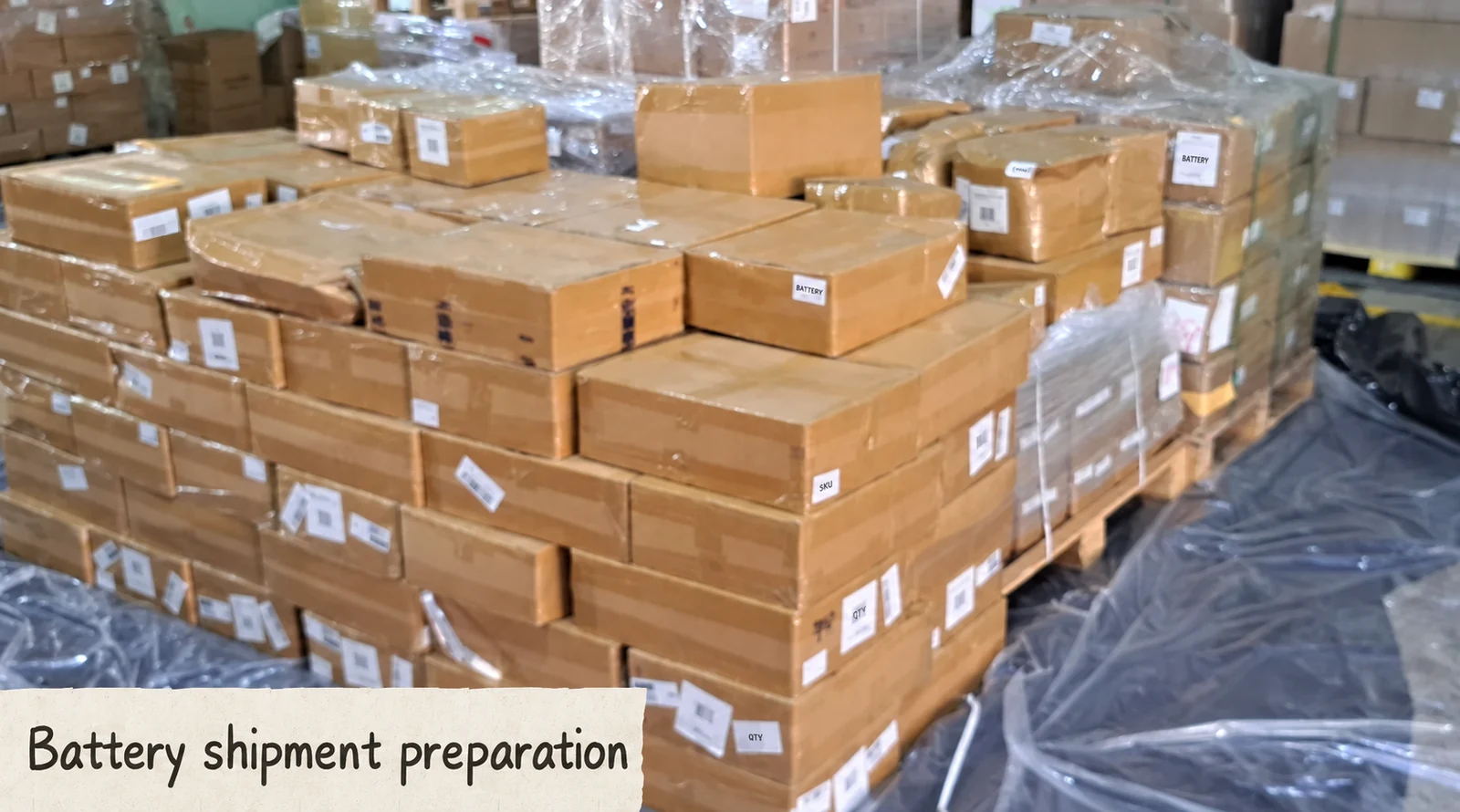
The safety concern is real, not merely administrative. FAA material describes lithium-battery thermal runaway as a self-sustaining, uncontrolled increase in temperature and pressure. It also addresses how packaging configurations and aircraft fire-suppression measures affect risk. A familiar consumer product therefore still deserves a specific air-transport assessment. [2]
Check current requirements and the proposed service separately
IATA reports that ICAO introduced an addendum concerning power banks on 27 March 2026, and that IATA developed guidance to help operators assess and implement those changes. The cited guidance does not give the addendum’s detailed requirements. It therefore cannot support a numerical limit, packing instruction or blanket acceptance statement for your shipment. Ask the proposed operator or its dangerous-goods acceptance team to check the current provisions. [3]
Keep two questions separate: “What requirements apply to this product?” and “Will this operator accept this shipment on this service?” FAA material supports operator risk assessment, while IATA promotes a risk-based approach across the cargo supply chain. A practical recommendation is that a general statement that batteries can travel by air is not enough to validate a particular booking. [2][3]
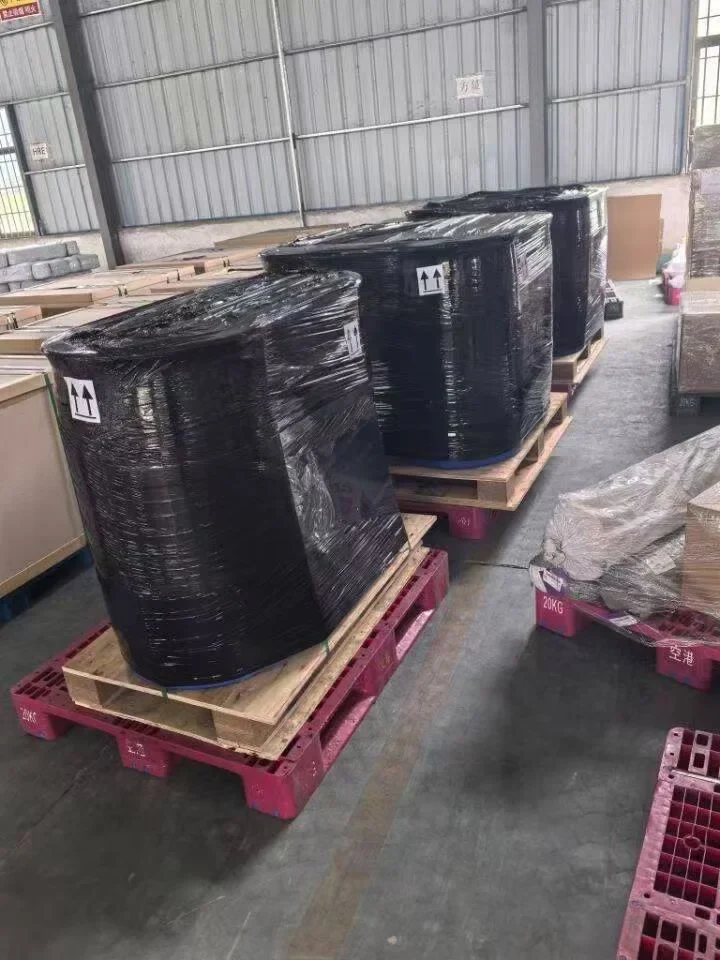
Do not assume that passenger-aircraft cargo capacity and a cargo-aircraft service are interchangeable options. Equally, do not interpret a battery review as a promise that either option will accept the goods. The decision needs to address the actual product, packing and proposed operation; the cited references do not establish universal permission or prohibition. [1][2][3]
| Question | Weak booking basis | Better acceptance check |
|---|---|---|
| What is being shipped? | A marketing description such as “charging accessory” | Identify the power bank and submit its battery information for classification review. [1][3] |
| Which battery category applies? | Assuming the housing makes it equipment | Request the category and the reasoning used to select it. [1] |
| Which service can carry it? | A general air-freight quotation | Ask for review against the proposed operator and service. [2][3] |
| Which requirements are current? | An old instruction sheet reused without checking | Confirm whether current power-bank guidance changes the assessment. [3] |
| Does the packing match the review? | Approval for a different product or configuration | Have the actual packing configuration assessed for the shipment. [1][2] |
A practical pre-booking checklist
The following is a recommended review workflow, not a complete regulatory document list. It applies IATA’s upstream, cooperative approach and the FAA’s emphasis on identifying hazards and assessing risk. Obtain the exact shipment requirements from the responsible acceptance team rather than treating this checklist as authorization to ship. [2][3]
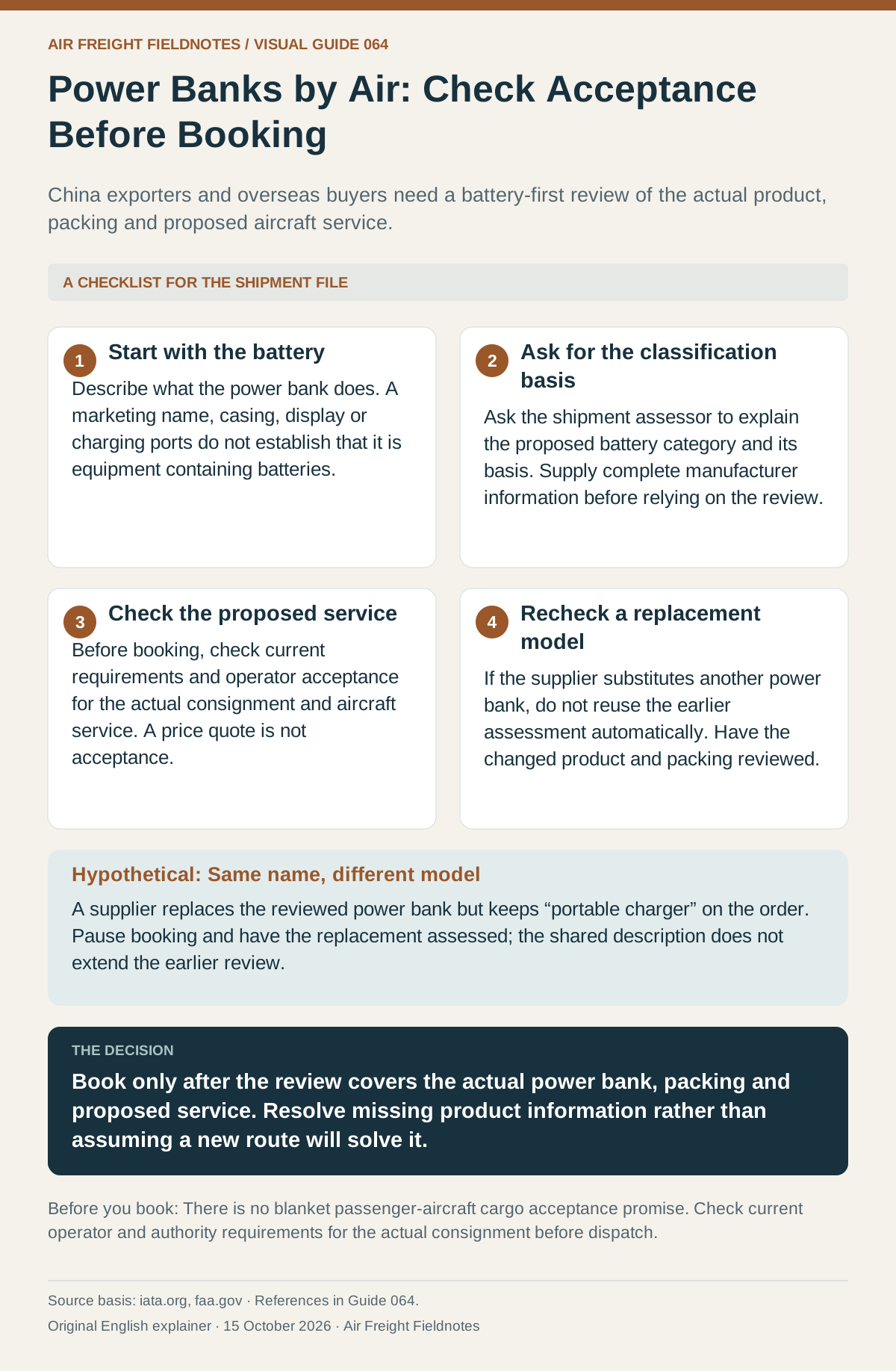
Read the infographic as text
China exporters and overseas buyers need a battery-first review of the actual product, packing and proposed aircraft service.
- Start with the battery Describe what the power bank does. A marketing name, casing, display or charging ports do not establish that it is equipment containing batteries.
- Ask for the classification basis Ask the shipment assessor to explain the proposed battery category and its basis. Supply complete manufacturer information before relying on the review.
- Check the proposed service Before booking, check current requirements and operator acceptance for the actual consignment and aircraft service. A price quote is not acceptance.
- Recheck a replacement model If the supplier substitutes another power bank, do not reuse the earlier assessment automatically. Have the changed product and packing reviewed.
Hypothetical: Same name, different model A supplier replaces the reviewed power bank but keeps “portable charger” on the order. Pause booking and have the replacement assessed; the shared description does not extend the earlier review.
Decision: Book only after the review covers the actual power bank, packing and proposed service. Resolve missing product information rather than assuming a new route will solve it.
There is no blanket passenger-aircraft cargo acceptance promise. Check current operator and authority requirements for the actual consignment before dispatch.
- Identify the product: collect the model, intended function, battery chemistry and manufacturer’s technical information.
- Describe the shipment: state quantities, product condition and the proposed packing configuration.
- Request classification review: ask which battery category applies and what information supports that decision.
- Check current provisions: ask specifically whether the power-bank addendum affects the proposed shipment.
- Identify the service: request review against the intended operator, aircraft service and route, including connections where relevant.
- Confirm required preparation: obtain the applicable packaging, marking, labelling and documentation instructions before preparing the final consignment.
- Keep the review traceable: record which model, packing configuration and shipment details were assessed.
- Recheck changes: refer product substitutions, packing changes or service changes back for review before dispatch.
These steps assume that the supplier can provide reliable product information and that a competent acceptance team can assess it. If either assumption fails, the checklist cannot resolve eligibility. The practical response is to pause the booking and obtain the missing information—not to select a more convenient product description. This is a safety-process inference from the supplied guidance. [1][2][3]
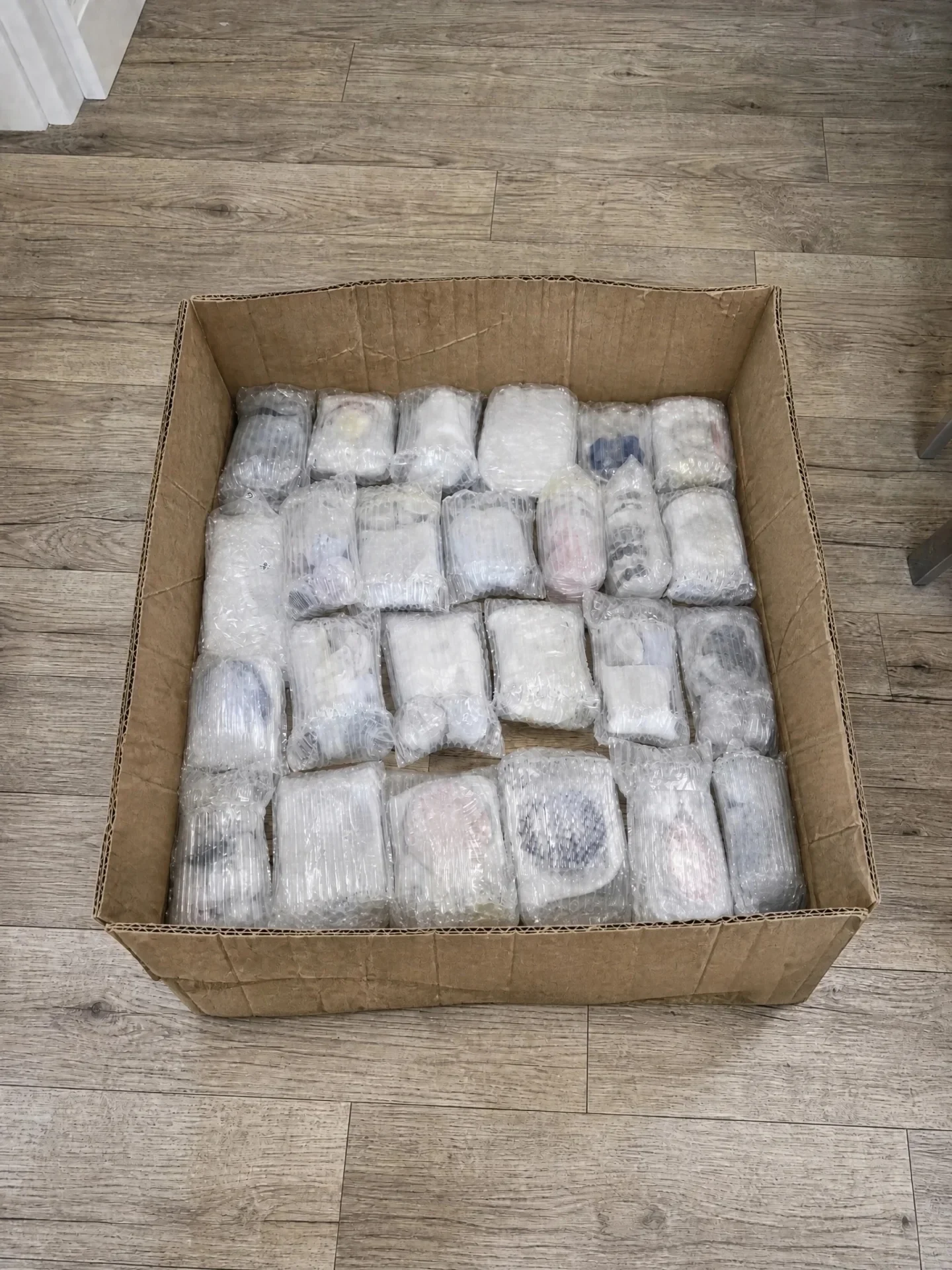
Hypothetical decision example: pause before dispatch
Hypothetical example: a Shenzhen exporter plans to send power banks to an overseas retailer. A forwarder provides an initial air-freight quote after receiving only the description “phone accessories.” The exporter later supplies the product specifications and proposed packing. At this point, the recommended decision is to hold dispatch until the battery classification and service acceptance have been reviewed. This is a hypothetical application of the sources, not a reported shipment. [1][2][3]
Assume the first proposed service cannot accept the shipment as presented. The exporter should ask whether a different compliant packing arrangement or another assessed service is available, without assuming either will solve the problem. If the manufacturer’s information is incomplete, changing the route does not cure that information gap. The decision remains unresolved until the relevant review is complete. [1][2][3]
A further failure case is a product substitution after review: the supplier replaces the assessed model with another power bank but keeps the same commercial description. As a practical recommendation, the earlier review should not be treated as covering the replacement automatically. Check the changed facts before relying on the previous assessment. [1][3]
Frequently asked questions
Can power banks travel as cargo on passenger aircraft?
The cited guidances do not establish a blanket answer. They support battery-specific requirements and operator risk assessment, and identify updated power-bank guidance. Ask for a decision on the actual consignment and proposed passenger-aircraft cargo service; do not treat general battery guidance as permission. [1][2][3]
Does a built-in display make a power bank equipment containing batteries?
Do not use that feature alone to select a shipping category. IATA distinguishes battery configurations, but the cited guidance does not classify every product design. The cautious approach is a battery-first review with the proposed classification explained, rather than reliance on a marketing name or added feature. [1]
Does an initial quote confirm acceptance?
No such conclusion follows from the available guidance. A useful operational distinction is to treat pricing and safety acceptance as separate checks. Before dispatch, confirm that the review covers the actual product, packing and proposed service, including any changes made since the quote. [1][2][3]
Sources and further reading
- IATA - BatteriesPrimary source · Retrieved 15 October 2026
- Lithium Battery Resources | Federal Aviation AdministrationPrimary source · Retrieved 15 October 2026
- IATA - Dangerous Goods (HAZMAT)Primary source · Retrieved 15 October 2026
Field research
- Reddit field research 1Topic discovery and anecdotal context; not evidence of a general rule.
- Reddit field research 2Topic discovery and anecdotal context; not evidence of a general rule.

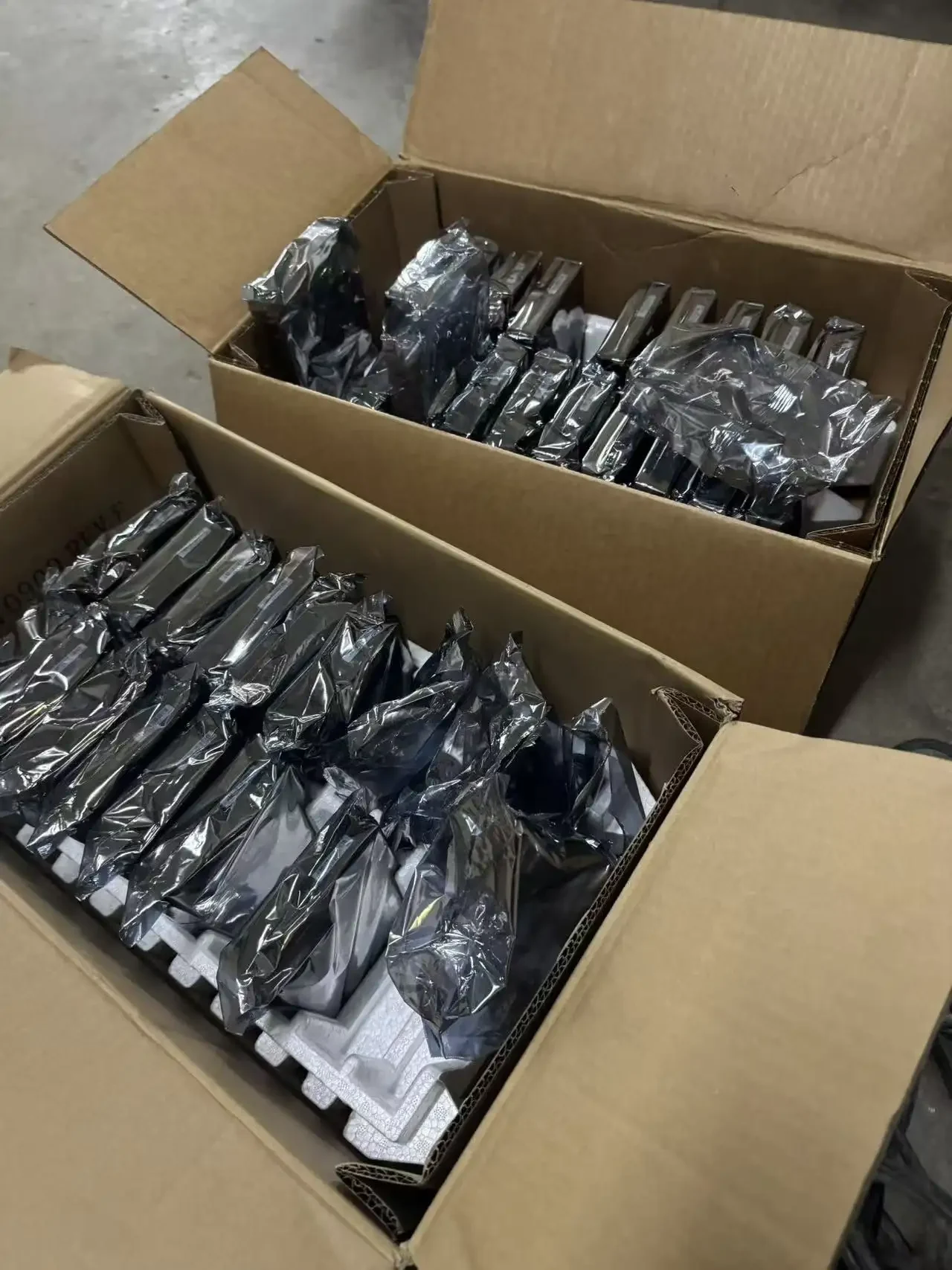
Prepared from the linked primary references and public field research. Field photographs illustrate general handling; worked examples use separate hypothetical figures. Acceptance, charges and destination requirements should be checked against the specific shipment and current operator or authority instructions.