Skip to content

When shipping goods from China to the UK, first identify whether the destination is Great Britain or Northern Ireland. Customs, safety and security, and product-control requirements depend on the route, the goods and the parties responsible for the declarations.
This article covers changes discussed in 2025, with corrections checked on 16 October 2026. Use the linked official guidance to confirm the requirements for a current shipment; the 2025 title is historical context.
Key Changes to UK Customs Rules in 2025
Border Target Operating Model (BTOM)
The Border Target Operating Model (BTOM), published in August 2023, set out changes to Great Britain’s border controls. It distinguishes safety and security controls from sanitary and phytosanitary (SPS) controls for regulated animals, animal products, plants and plant products. It is not a universal low-, medium- or high-risk classification for every imported product.
2025 changes and later corrections
- From 31 January 2025, the safety and security declaration requirement was extended to EU imports into Great Britain, subject to applicable waivers. This is not a blanket rule for every movement into the whole UK. HMRC’s 2025 change notice.
- The Single Trade Window should not be presented as launching in spring 2025. In its 2 March 2026 parliamentary answer, the Treasury said delivery had been paused. Its 6 January 2026 answer gave no definitive implementation timetable. Do not plan a shipment around an assumed launch date.
Data Requirements
From 31 January 2025, HMRC introduced a reduced dataset for Great Britain’s entry summary declarations: 20 mandatory fields, with conditional and optional fields as applicable. This concerns safety and security data; it does not remove the separate import declaration or product-document requirements. See HMRC’s explanation of the change.
Get to know about UK Customs Duties
The charges for an import depend on the actual goods, their commodity code, origin, customs value and the rules applying on the declaration date. Check the UK Trade Tariff and confirm the calculation with the importer’s customs representative before shipping.
Charges to check for the shipment
- Customs Duty: check the applicable commodity code, origin rules and any relief or additional measures. There is no single duty range that applies to all imports.
- Import VAT: confirm the applicable rate, valuation basis and accounting arrangements for the goods.
- Excise or trade-remedy duties: check whether the specific product is covered.
- Brokerage, inspection and other service charges: confirm these separately in the quotation; they are not interchangeable with government duties and taxes.

Steps for UK Customs Compliance in 2025
Check product controls separately from tariff classification
For goods covered by SPS rules, check the current requirements for the commodity, origin and destination. BTOM risk categories relate to specified animals, animal products, plants and plant products; they do not mean that all furniture or building materials share one health-control checklist. Commodity classification for customs duties is a separate task.
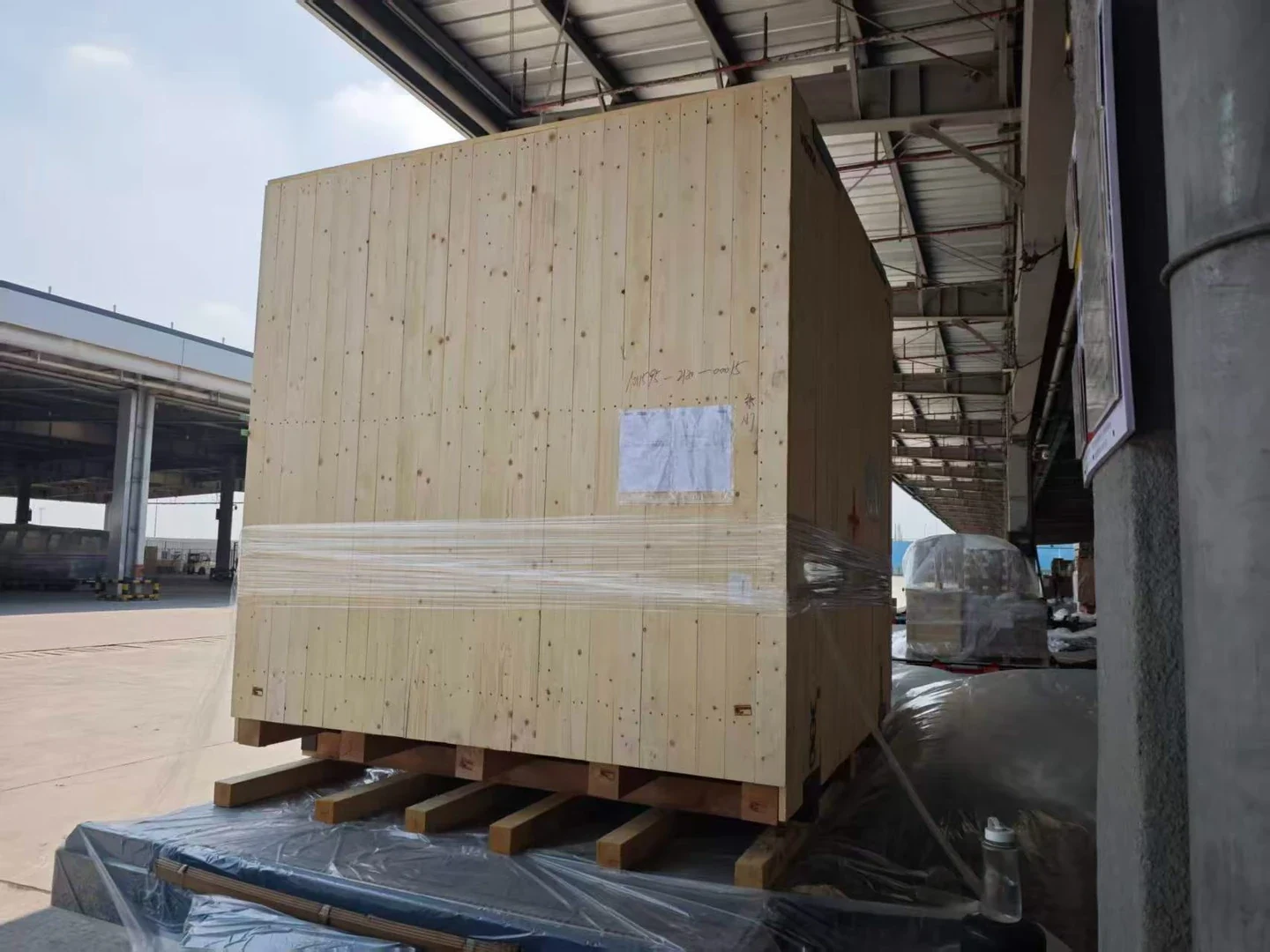
For China-to-UK furniture shipments, review the materials and packaging as well as the finished product. For example, solid-wood crates or pallets may need treatment and marking under wood packaging rules.
Confirm certificates and notifications for regulated goods
Where the goods fall within animal, food, plant or plant-product controls, use the current commodity guidance to identify any health or phytosanitary certificates and import notifications. IPAFFS guidance lists the relevant Great Britain product categories and links to their rules. Do not treat a health certificate, a phytosanitary certificate and a Common Health Entry Document as a universal interchangeable document set.
For covered solid-wood packaging, the ISPM15 mark provides the certification; a treatment certificate cannot replace the required mark. Check the published exemptions for the actual packaging material.
Check the entry point and notification deadline where controls apply
If the goods require a Border Control Post or another designated inspection point, confirm that the chosen location can handle that product. Follow the commodity-specific notification system and deadline in the current import guidance, and confirm arrangements with the responsible authority. Notification deadlines depend on the product and import procedure. Ask which inspection and handling charges may apply.
Submit Safety and Security (S&S) Declarations
Goods entering Great Britain generally need an entry summary declaration (ENS), unless a waiver applies. Northern Ireland uses different rules and systems. Under HMRC’s current guidance, the carrier is responsible for ensuring that the declaration is submitted; an agreed third party may file on its behalf. The required deadline depends on the transport mode and route.
Before dispatch, confirm who will file, the system and deadline, and the shipment information that party needs. An ENS is separate from an import customs declaration and any product-specific notification. Do not assume that one document or a generic list of data fields satisfies all three.
Overcoming Common Customs Challenges
Even experienced importers face obstacles with customs requirements. Here are the most common and how to address them:
Incomplete or Incorrect Documentation
Delays at customs are often due to documentation errors. Double-check:
- Commercial invoices for detailed and accurate product descriptions
- Packing lists for consistency in quantities and weights
- Certificates and declarations based on product type
- HS codes that match the product exactly
Working closely with your customs broker or freight forwarder can help reduce these mistakes.
Misclassifying Goods
Confirm the correct commodity code for the goods and check any product-specific restrictions separately. For goods subject to SPS controls, also verify the applicable risk category and certification requirements. Ask the customs representative or relevant authority to resolve uncertainty before dispatch; customs tariff classification and SPS risk assessment are different checks.
Gaps in Certification
Where a certificate or pre-notification is required, agree who will obtain or submit it and allow time before dispatch. A private pre-shipment inspection does not replace an official certificate, border inspection or authority approval. Verify the current product-specific requirements with the importer and the relevant authority.
Tips for Smooth Importing in 2025
Leverage Digital Tools
Automation and digital platforms can help simplify custom processes. Document management systems, shipment tracking tools, and real-time updates reduce the risk of errors and help with timely filing.
Tip: When booking, it’s always important to know about shipping documentation, cargo tracking number, and keep the communication gateway open with the logistics providers from a single dashboard.
Choose Reliable Partners
Customs compliance isn’t a solo job. Partnering with seasoned freight forwarders and customs brokers helps you navigate complex rules, interpret new regulations, and manage inspections.
Be Proactive with Compliance
The most important tip: don’t blindly trust your partners. Stay informed about customs developments and monitor your compliance status actively. This allows you to respond to changes quickly and avoid any disruptions.

The Future of UK Customs
Border procedures can change. Use current notices from HMRC and the relevant product-control authority when preparing a shipment. Proposed digital services should not be described as operational until the responsible authority confirms their availability and scope; the dated Single Trade Window correction above replaces the earlier launch prediction.
Conclusion
Before shipping, confirm the destination, importer, commodity code, customs value, product and packaging requirements, and the parties responsible for each declaration. Use current official UK import guidance and a shipment-specific quotation. Good preparation can reduce avoidable errors, but it cannot guarantee clearance, duty treatment or delivery timing.