 Skip to content
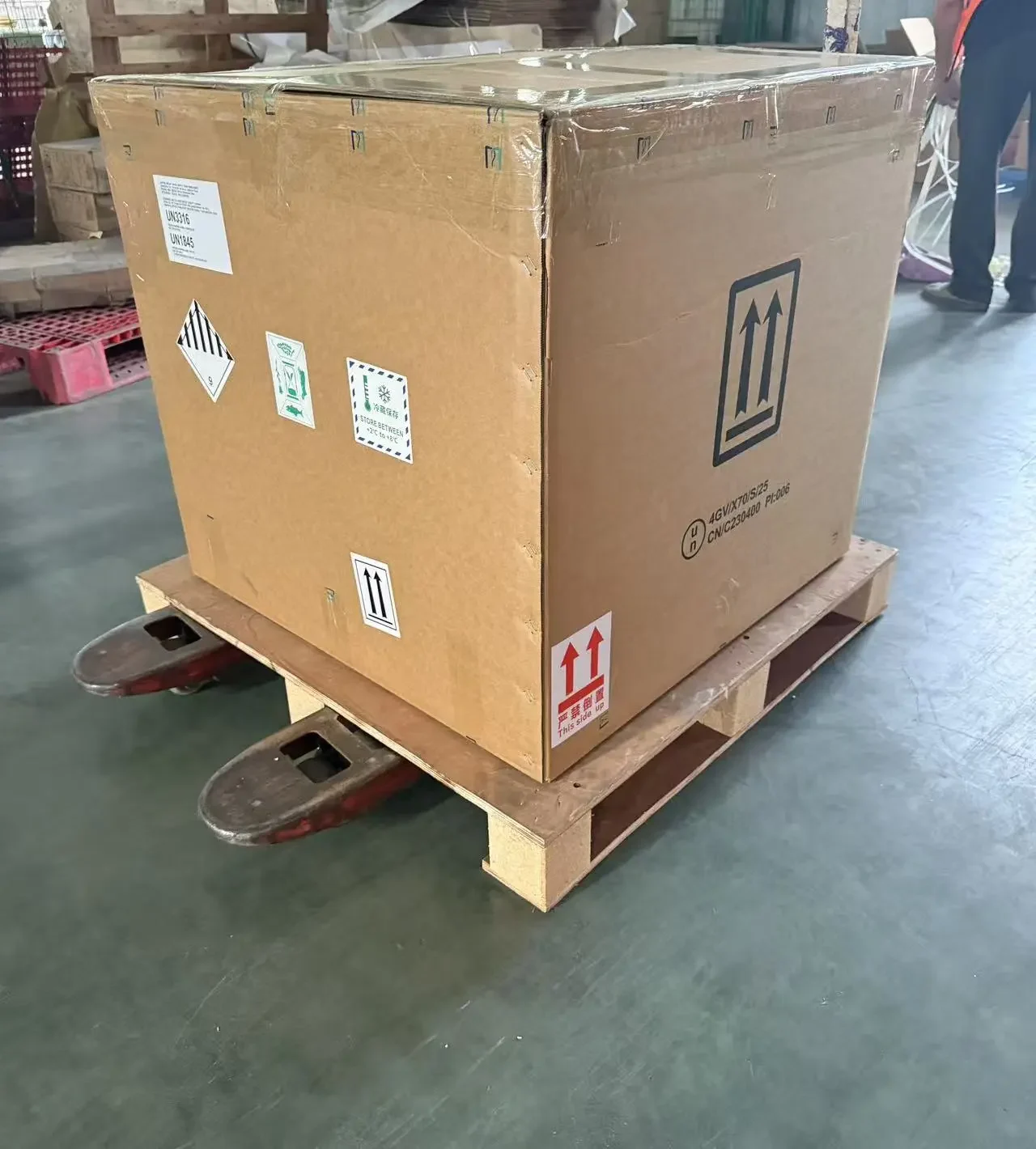
Air freight tracking is most useful when each status is read as a separate milestone, not a delivery promise. Booking, receipt, manifesting, departure, arrival, customs release and delivery answer different questions. Check the shipment number, location, event time and scope, then confirm unclear updates with the forwarder or handling party. [1][2]
Read tracking as a chain of separate events
Air cargo handling covers several stages: planning and booking, acceptance at origin, preparation for loading, unloading at destination, and handover to a consignee or forwarder. Tracking should therefore be read as a sequence of events rather than one continuous “in transit” condition. A handover at the airport is not necessarily delivery to the buyer’s premises. [2]
The milestone interpretations below are practical recommendations from that handling sequence and the supplied customs evidence, not a universal carrier status dictionary. They assume ordinary commercial cargo moving from China by air. A forwarder’s portal may combine events or use different labels, so ask what a status means in that provider’s system. [1][2]

Separate three questions: where are the goods, what transport event has occurred, and what permission or handover remains outstanding? For example, destination arrival and customs release are different questions. US Customs and Border Protection can place holds on air waybill records for unacceptable shipment information, so physical progress alone does not establish release. [1][2]
Compare the seven main shipment milestones
Use this table as an interpretation guide, then verify the actual event behind the label. The “does not establish” column identifies conclusions that would go beyond the available milestone evidence. These are operational inferences, not standardized tracking definitions. [1][2]
| Milestone | Working interpretation | What it does not establish | Useful confirmation |
|---|---|---|---|
| Booking | Transport is being planned or reserved. [2] | Physical receipt, loading or departure. | Is this a booking request or an accepted arrangement? |
| Received | A named party or facility records receiving the goods; confirm the location. [2] | That the airline has loaded them. | Who received how many pieces, and where? |
| Manifested | Treat this as a reported shipment-list event until the provider explains its scope. [1] | That every piece physically departed. | Which flight and house shipment does it cover? |
| Departed | Seek confirmation that the relevant cargo moved on the stated flight. [1][2] | That every portion of a split shipment moved. | What piece count and weight departed? |
| Arrived | Confirm arrival location and unloading or handling status. [2] | Customs release or delivery availability. | Is this a transfer airport or final destination? |
| Customs release | Confirm the customs release and its shipment scope. [1] | That all split portions are released or delivered. | Which entry, house number and portions are covered? |
| Delivery | Confirm the actual handover recipient and place. [2] | Receipt at the buyer’s address if the event is only an airport handover. | Can the handling party provide handover evidence? |
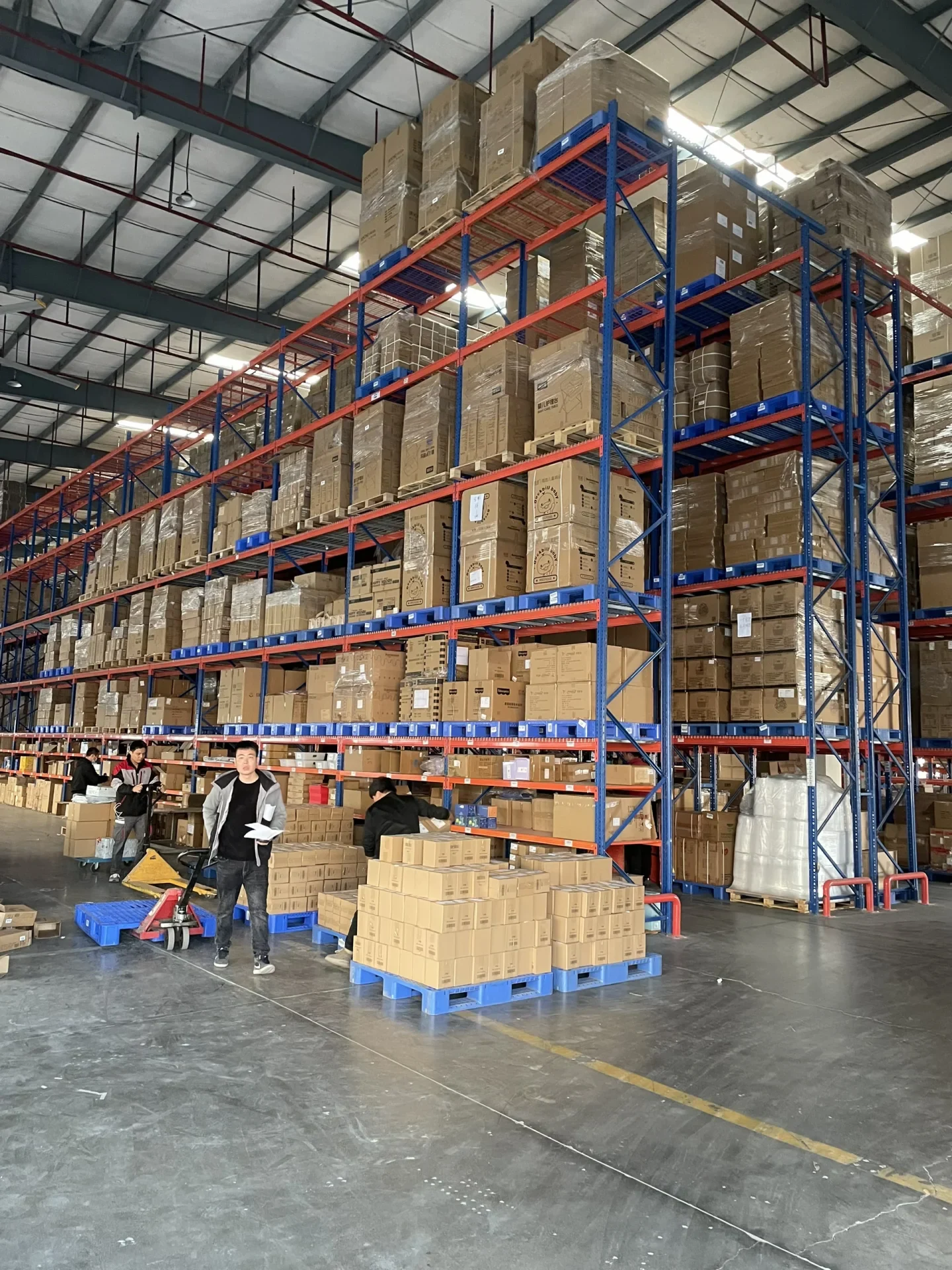
Do not use an air waybill number alone as proof of departure. As an evidence-reading rule, a document reference and a physical movement confirmation answer different questions. Ask for the actual departure event and the cargo quantity associated with it, especially where the shipment may move in portions. [1][2]
Resolve house and master air waybill mismatches
For a consolidated shipment, the supplied CBP material distinguishes a master air waybill from its associated house air waybills. It also describes carrier reporting that identifies which house shipments were laden on each flight. This explains why a master-level update may not be enough to establish the movement of one buyer’s shipment. [1]
A practical recommendation is that two tracking screens can appear inconsistent because they show different scopes. One may describe the consolidation under the master number; another may describe the individual house shipment. Before treating this as lost cargo, ask the forwarder to confirm the house-to-master relationship and identify which event belongs to your goods. [1]
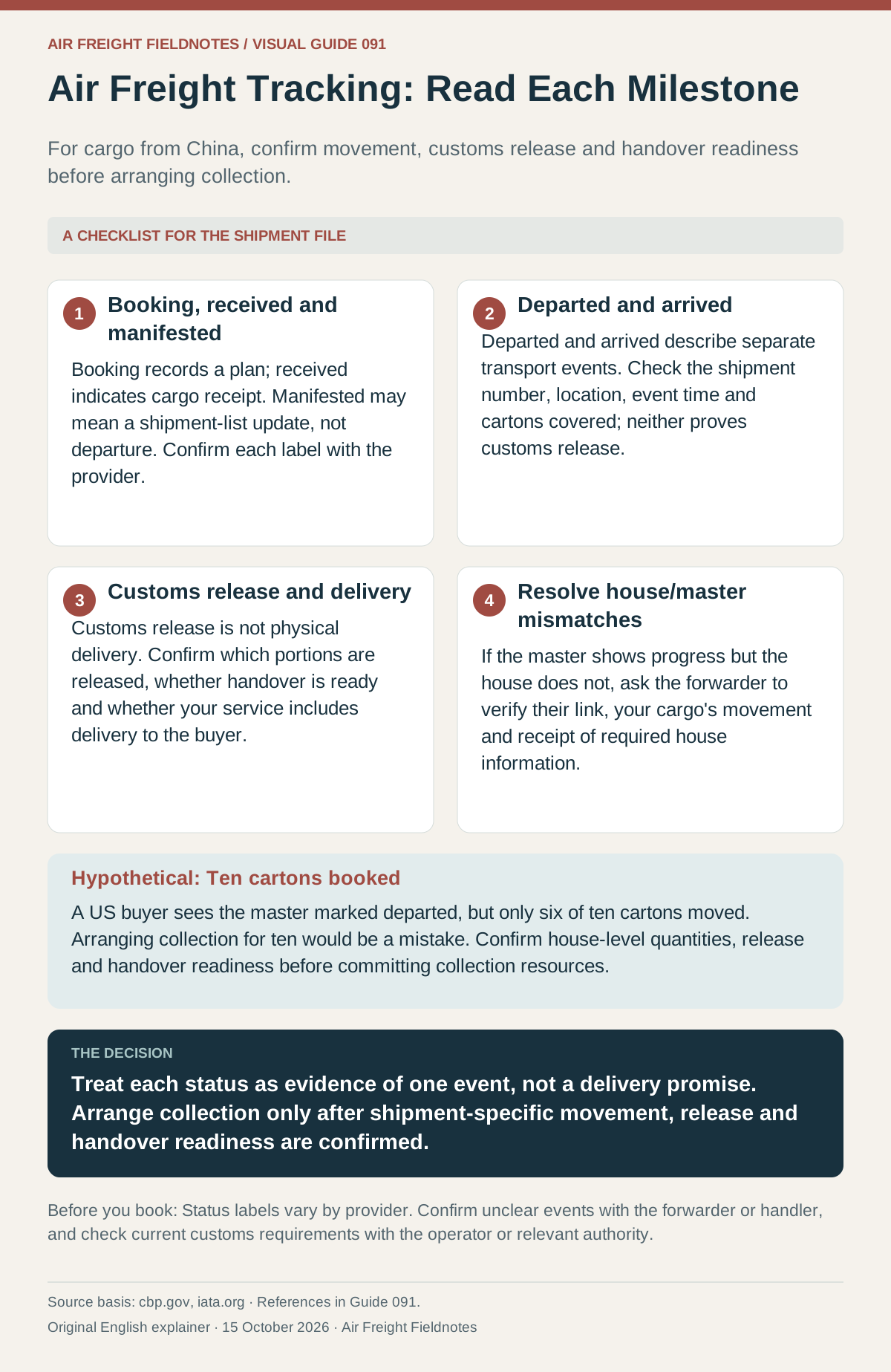
Read the infographic as text
For cargo from China, confirm movement, customs release and handover readiness before arranging collection.
- Booking, received and manifested Booking records a plan; received indicates cargo receipt. Manifested may mean a shipment-list update, not departure. Confirm each label with the provider.
- Departed and arrived Departed and arrived describe separate transport events. Check the shipment number, location, event time and cartons covered; neither proves customs release.
- Customs release and delivery Customs release is not physical delivery. Confirm which portions are released, whether handover is ready and whether your service includes delivery to the buyer.
- Resolve house/master mismatches If the master shows progress but the house does not, ask the forwarder to verify their link, your cargo's movement and receipt of required house information.
Hypothetical: Ten cartons booked A US buyer sees the master marked departed, but only six of ten cartons moved. Arranging collection for ten would be a mistake. Confirm house-level quantities, release and handover readiness before committing collection resources.
Decision: Treat each status as evidence of one event, not a delivery promise. Arrange collection only after shipment-specific movement, release and handover readiness are confirmed.
Status labels vary by provider. Confirm unclear events with the forwarder or handler, and check current customs requirements with the operator or relevant authority.
There is also a documentation failure case. CBP states that it can hold master air waybill records when required house information has not been received. It can also hold records when cargo descriptions or shipper and consignee details are missing or unacceptable. These are US-specific examples, not universal customs procedures. [1]
Split shipments need extra care. The CBP excerpt describes release being posted to each portion for electronic release of a split shipment. The operational inference is that neither “departed” nor “released” should be assumed to cover the full order without checking portions, pieces and references. [1]
Use a checklist before escalating a tracking gap
The checklist below translates the supplied handling sequence and customs issues into practical questions. It is a troubleshooting method, not a promise that every provider supplies the same data or that a particular update resolves every delay. [1][2]
- Identify the reference: record both house and master numbers and ask the forwarder to confirm their link.
- Check the event: distinguish a booking update from physical receipt, departure or handover.
- Check location and time: request the event location and time zone before comparing screens.
- Check quantity: compare booked, received, departed and arrived piece counts; ask whether anything was split.
- Check customs separately: request the release or hold status for your shipment, not merely the master consolidation.
- Name the next action: ask what information or handling step is outstanding and who will address it.
- Check delivery scope: confirm whether the arrangement ends at the airport or includes onward transport.
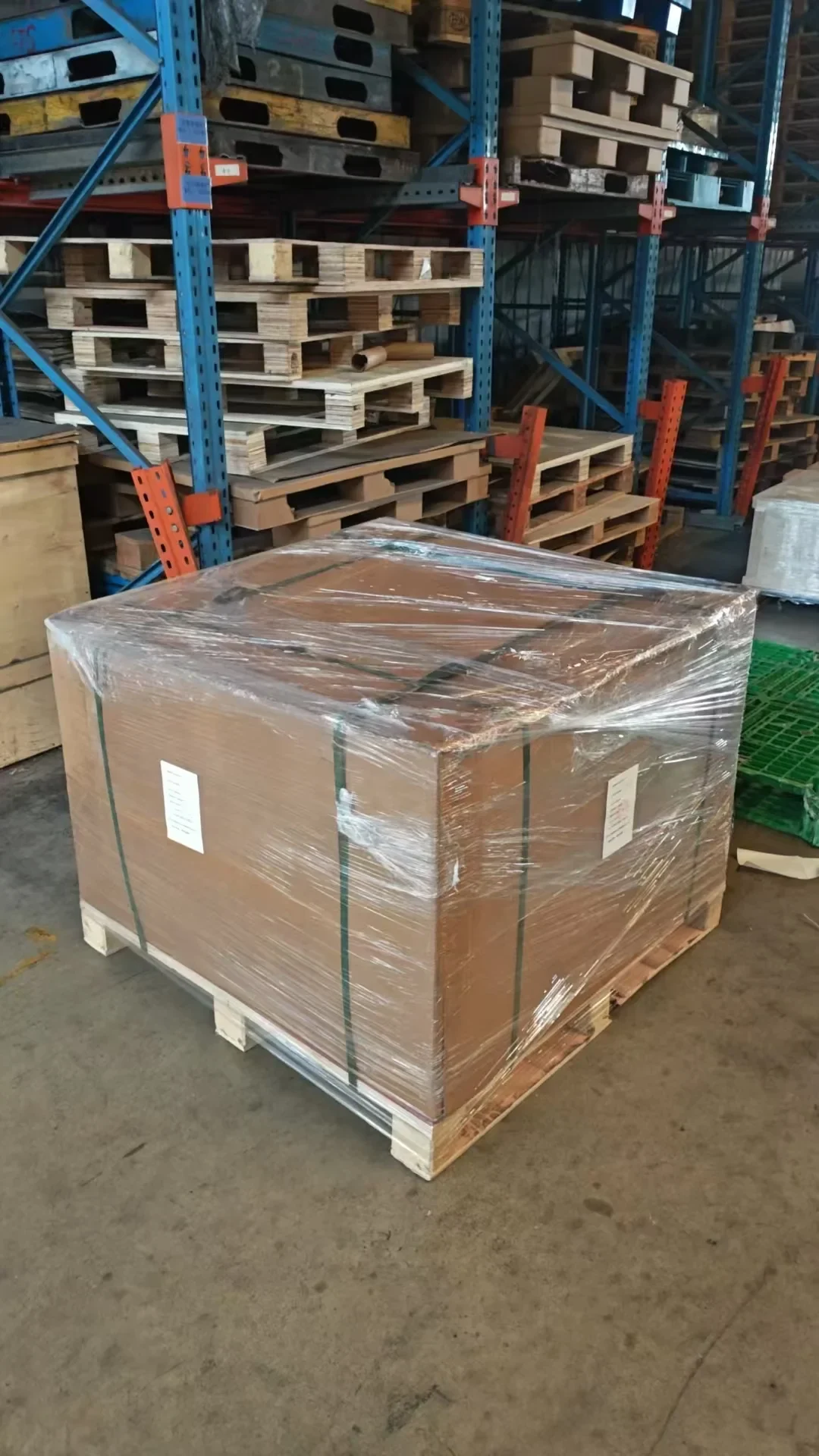
Also distinguish tracking progress from service coverage. Airline tariffs generally cover airport-to-airport carriage and exclude services such as clearance, pickup, delivery, terminal handling and storage unless indicated. An “arrived” update therefore does not tell you whether onward delivery is included in the quoted service. [3]
Hypothetical worked decision example: A China exporter sends ten cartons to a US buyer under one house number within a consolidation. The master screen shows “departed,” but the house screen has no new event. The buyer must decide whether to arrange destination collection. This scenario is illustrative, not a reported shipment. [1][2]
The buyer first requests the house-to-master link, confirmation of how many cartons departed, and the house shipment’s customs status. If only six cartons moved, planning around ten would be a mistake. If all ten arrived but release remains unresolved, arrival alone still does not justify assuming collection is available. The decision is to confirm shipment-specific movement, release and handover readiness before committing collection resources. [1][2]
Frequently asked questions
Does “manifested” mean my cargo has departed?
Do not assume so. Ask whether the label reflects a shipment-list update or confirmed movement of your cargo. The supplied CBP evidence distinguishes master and house records and requires reporting about which house shipments were laden on each flight; shipment-specific confirmation matters. [1]
Why does the master number show progress while my house number does not?
A possible explanation is different reporting scope, but that is an inference, not a diagnosis. Confirm that the numbers are linked, whether your house shipment moved with that consolidation, and whether required house information has been received. [1]
Does customs release mean delivery is complete?
No. Customs release and physical handover are separate checks. Confirm the released shipment portions, then ask the handling party about collection or onward delivery. Also verify whether delivery is included in the service arrangement rather than assuming it is part of airport-to-airport carriage. [1][2][3]
Sources and further reading
- 1Primary source · Retrieved 15 October 2026
- IATA - What to Know About Air Cargo HandlingPrimary source · Retrieved 15 October 2026
- IATA - Air Cargo Tariffs and Rules: What You Need to KnowPrimary source · Retrieved 15 October 2026
Field research
- Reddit field research 1Topic discovery and anecdotal context; not evidence of a general rule.
- Reddit field research 2Topic discovery and anecdotal context; not evidence of a general rule.

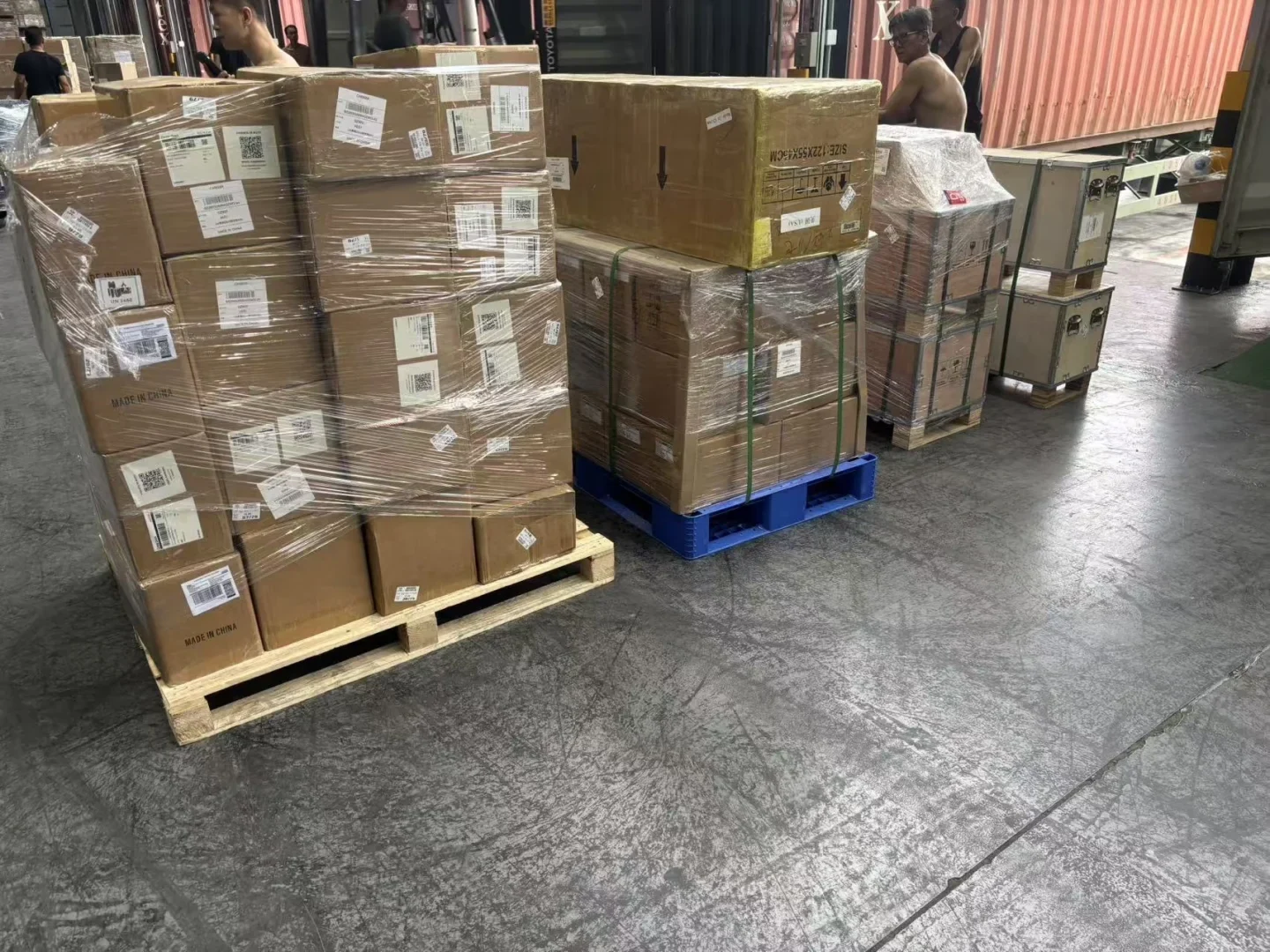
Prepared from the linked primary references and public field research. Field photographs illustrate general handling; worked examples use separate hypothetical figures. Acceptance, charges and destination requirements should be checked against the specific shipment and current operator or authority instructions.