 Skip to content
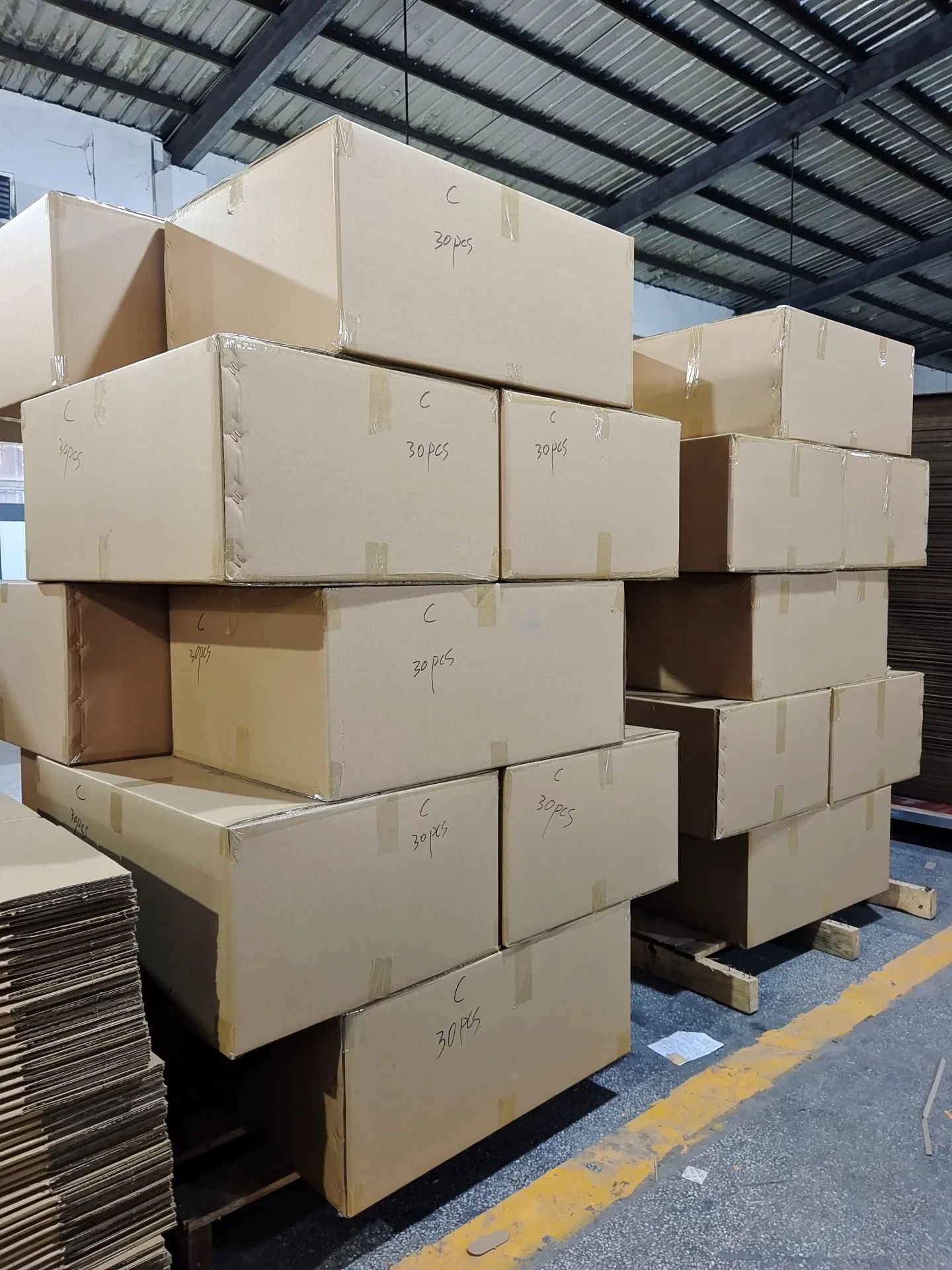
For air freight to Amazon FBA, plan two separate outcomes: import clearance and fulfillment-center acceptance. Arrange responsibility for each before booking. Then align the shipment plan, carton labels, delivery arrangements, and receiving evidence. An airport arrival is not your inventory goal: goods must reach the intended fulfillment destination as planned. [1][3]
Separate the import movement from FBA fulfillment
Amazon describes FBA as a service for storing inventory and handling customer-order picking, packing, shipping, customer service, and returns. That description should not be read as a complete inbound transport or import arrangement. The planning inference is simple: work backward from fulfillment-center receiving, rather than stopping your plan at the destination airport. [1]
For an air freight amazon FBA booking, build a responsibility map covering the exporter, seller, freight forwarder, customs broker, importer of record, and final-delivery provider. One business may perform several roles, but ask it to confirm each role expressly. Do not assume that booking a courier or broker also appoints that business as importer of record. Treat this map as a planning control, not a conclusion established by the supplied FBA description. [1][3]
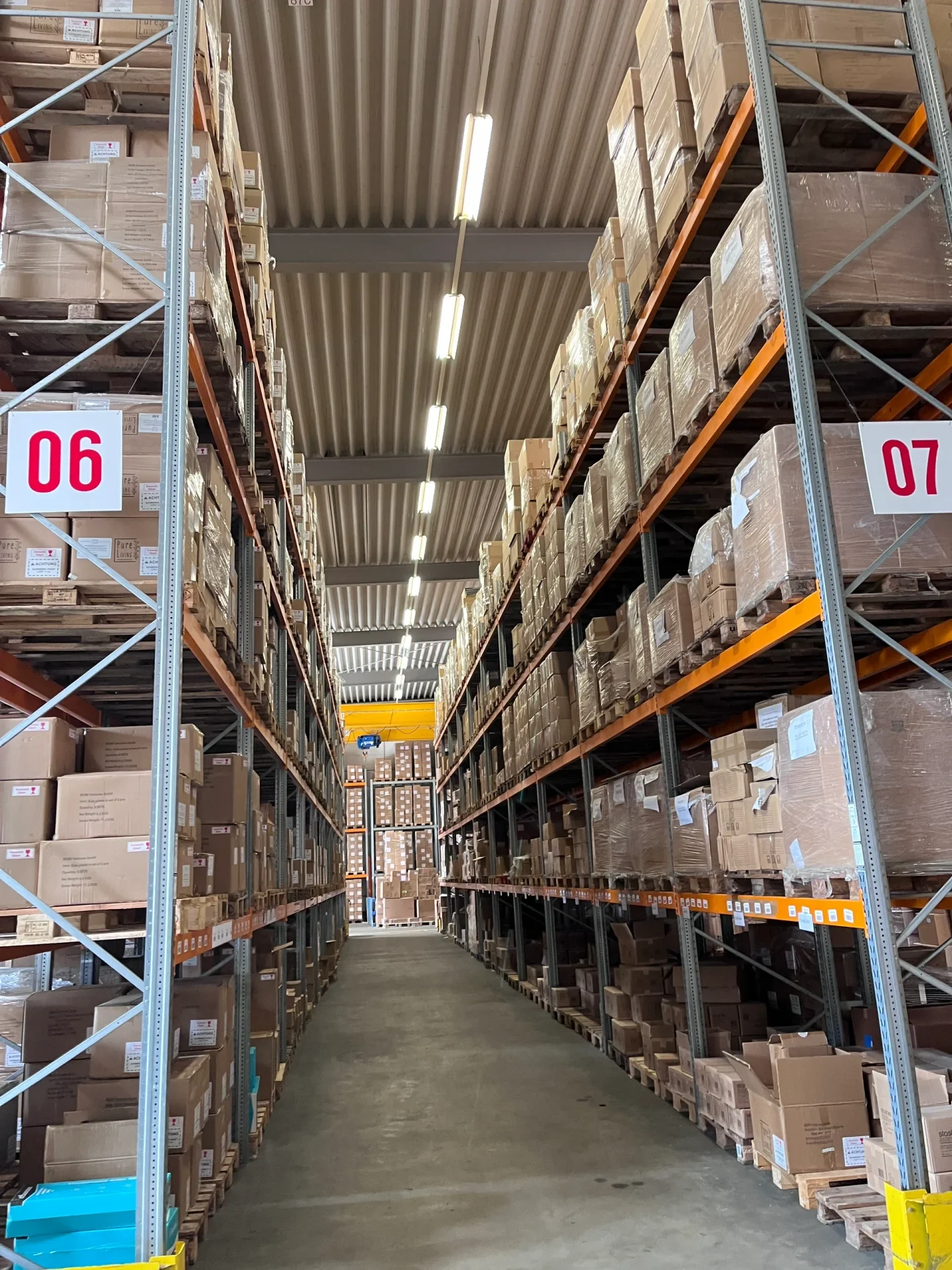
Ask three separate questions: Who will arrange import entry? Who will move the released cartons to the assigned destination? Who will resolve a receiving discrepancy? Record names, contact details, and the scope of each appointment. This recommended separation follows from the difference between FBA fulfillment services and the delivery responsibilities that need definition in a trade arrangement. [1][3]
Compare quotes by endpoint, not by the word “delivery”
The supplied trade-contract guidance stresses that delivery and risk points vary and that an imprecise destination can cause disputes. Apply that lesson to your freight quotation: replace “Amazon delivery included” with an identified destination, included activities, exclusions, and evidence of completion. The table below is a suggested comparison framework, not a statement that providers use standardized package names. [3]
| Proposed scope | What to ask the provider to include | What remains to resolve |
|---|---|---|
| Airport-focused air freight | Origin handling, air movement, destination airport handover point, and quoted charges | Import arrangements, cargo release, onward transport, and FBA delivery coordination |
| Air freight plus import support | Named broker, documentation responsibilities, and release-to-delivery handoff | Importer role, excluded charges, final transport, and receiving requirements |
| Coordinated delivery to the FBA destination | Exact endpoint, shipment references, delivery booking responsibility, and handover evidence | How delays, rejected delivery, discrepancies, and extra handling will be managed |

Use the sales contract and freight order together. Specify the named place and applicable trade term, while keeping cost allocation, risk transfer, and operational completion distinct. For this air-freight plan, do not substitute maritime FOB/CIF wording for a clearly defined air-transport arrangement. Also document ownership separately: Incoterms do not determine title. These are contract-review cautions; the supplied source supports careful definition of delivery and risk, not a complete legal interpretation. [3]
Build a release-to-receiving checklist before dispatch
The following checklist is a recommended workflow inferred from the need to connect inbound transport with FBA storage and fulfillment. The supplied Amazon material does not establish current shipment-plan screens, label specifications, appointment procedures, or receiving timelines. Verify those details in the seller account and with the appointed providers before dispatch. [1]
- Confirm the destination: Obtain the shipment-plan destination and shipment references before finalizing delivery instructions.
- Reconcile the quantities: Compare the commercial documents, packing list, shipment plan, and physical carton count.
- Check carton identification: Verify the required carton labels against current shipment instructions; inspect readability and remove conflicting old transport labels.
- Name the import parties: Confirm the importer, broker, document supplier, and party funding duties and other agreed charges.
- Define the handoff: Identify who collects released freight and who receives the shipment references and delivery documents.
- Resolve appointments: Ask whether an appointment is required for the proposed delivery method and who obtains or changes it.
- Plan exceptions: Agree who authorizes storage, relabeling, redelivery, or return movement, and how charges require approval.
- Define completion evidence: Request transport handover evidence and separately monitor the seller account for receiving progress.
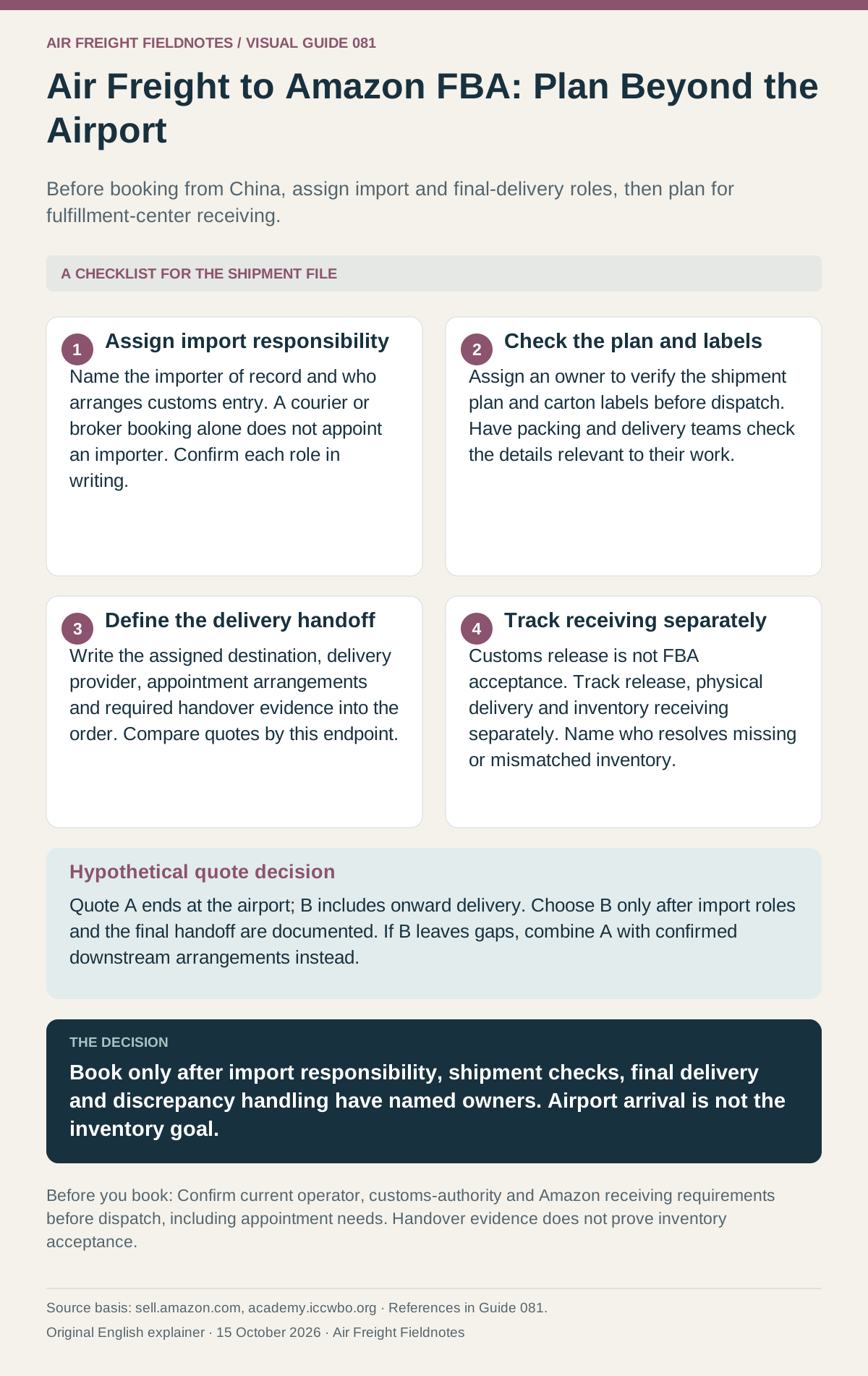
Read the infographic as text
Before booking from China, assign import and final-delivery roles, then plan for fulfillment-center receiving.
- 1. Assign import responsibility Name the importer of record and who arranges customs entry. A courier or broker booking alone does not appoint an importer. Confirm each role in writing.
- 2. Check the plan and labels Assign an owner to verify the shipment plan and carton labels before dispatch. Have packing and delivery teams check the details relevant to their work.
- 3. Define the delivery handoff Write the assigned destination, delivery provider, appointment arrangements and required handover evidence into the order. Compare quotes by this endpoint.
- 4. Track receiving separately Customs release is not FBA acceptance. Track release, physical delivery and inventory receiving separately. Name who resolves missing or mismatched inventory.
Hypothetical quote decision Quote A ends at the airport; B includes onward delivery. Choose B only after import roles and the final handoff are documented. If B leaves gaps, combine A with confirmed downstream arrangements instead.
Decision: Book only after import responsibility, shipment checks, final delivery and discrepancy handling have named owners. Airport arrival is not the inventory goal.
Confirm current operator, customs-authority and Amazon receiving requirements before dispatch, including appointment needs. Handover evidence does not prove inventory acceptance.
Do not use an air waybill alone as proof that the goods have departed or reached Amazon. As a recommended evidence sequence, ask for the relevant transport status, import-release confirmation, final-delivery record, and subsequent inventory reconciliation. Each answers a different question; the planning inference is that no single milestone should stand in for the whole inbound journey. [1][3]
Failure cases deserve written instructions. Consider a changed destination, missing shipment references, damaged labels, delayed release, or an unsuccessful delivery attempt. Ask who holds the cartons, who contacts the seller, and who may approve corrective work. These are possible planning scenarios, not documented incidents or claims about Amazon’s automatic response. [1][3]
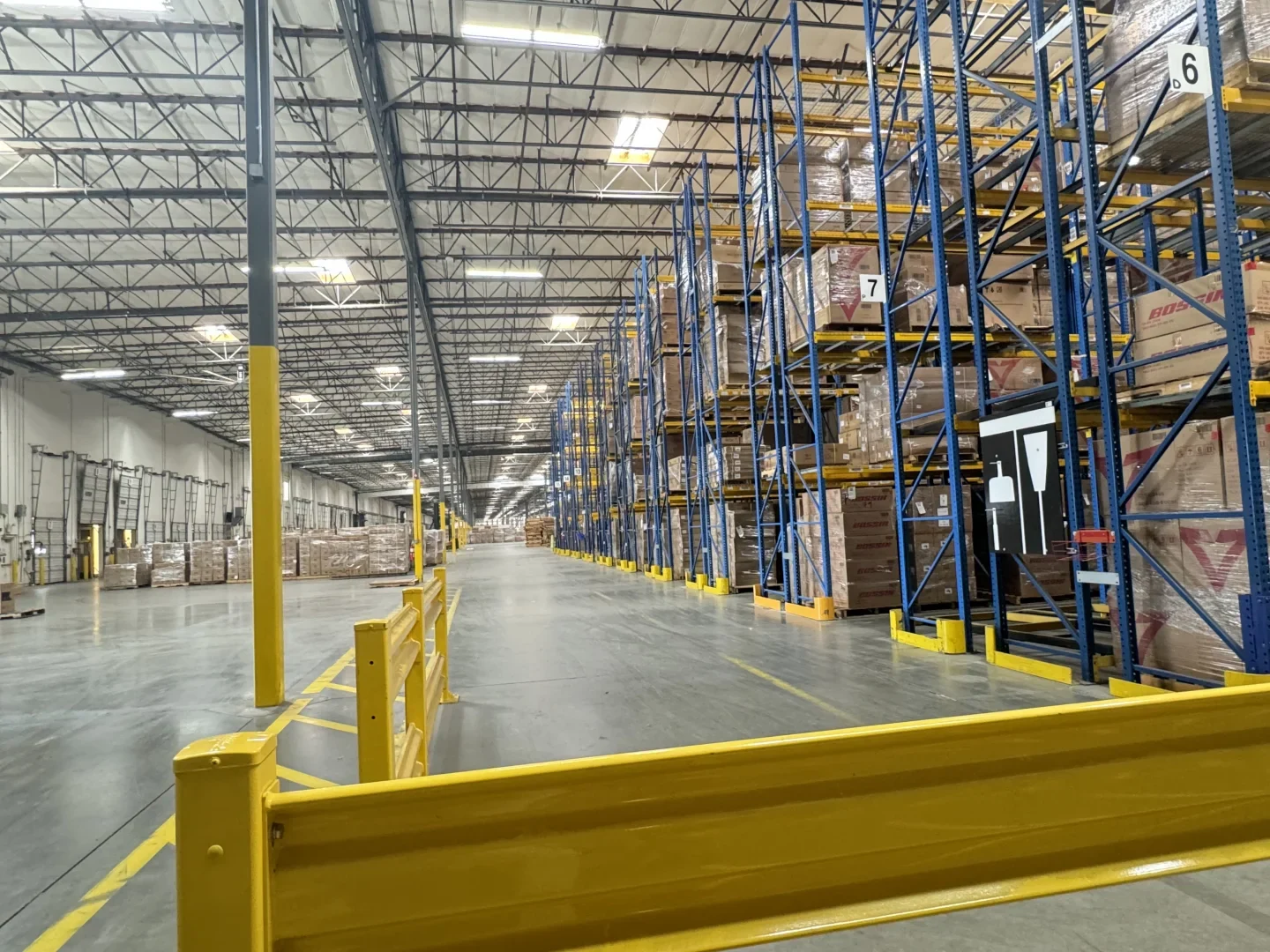
Hypothetical worked decision: choosing a usable endpoint
Hypothetical example: A China exporter has 24 cartons ready for an overseas Amazon seller. Assume the goods are eligible for the planned import, the destination is confirmed, and the seller has created the required shipment information. Provider A offers airport handover only. Provider B offers import coordination and onward delivery, subject to confirming the importer and delivery arrangements. Neither proposal is a live quotation. [1][3]
The buyer compares total scope rather than the headline freight amount. For A, the buyer requests separate arrangements for import handling, airport collection, and final delivery. For B, the buyer asks whether delivery coordination, shipment-reference transmission, unsuccessful-delivery handling, and additional charges are included. This is a hypothetical application of precise endpoint definition, not a recommendation for a particular provider. [3]
The buyer chooses B only after those responsibilities are documented. If B cannot confirm a lawful import arrangement or a workable final-delivery handoff, its broader description is insufficient. If A can be combined with reliable downstream arrangements, A may remain a sensible option. The decision depends on closing responsibility gaps, not assuming that a longer service description guarantees acceptance. [1][3]
Frequently asked questions
Does customs clearance mean Amazon has accepted the inventory?
No. For planning purposes, track import release, physical delivery, and FBA receiving separately. Amazon’s supplied description concerns storage and customer fulfillment; it does not establish that customs release completes receiving. Reconcile shipment and inventory records rather than treating one status as proof of another. [1]
Who should check the shipment plan and carton labels?
Assign a named owner to verify shipment information, then require the packing team and delivery provider to check the details relevant to their work. This is a recommended control, not a published Amazon procedure from the available guidance. Confirm current requirements before cartons leave China. [1]
What should “delivery completed” mean in the freight order?
Define the precise endpoint, required evidence, and exception process in writing. Distinguish the carrier’s handover record from later inventory reconciliation. A clear definition reduces ambiguity, but it cannot guarantee receiving speed or eliminate discrepancies. The supplied trade guidance specifically supports precise delivery-place and risk definitions. [1][3]
Sources and further reading
- Amazon FBA (Fulfillment by Amazon) | Sell on AmazonPrimary source · Retrieved 15 October 2026
- Place of delivery & risk transfer in trade contractsPrimary source · Retrieved 15 October 2026
Field research
- Reddit field research 1Topic discovery and anecdotal context; not evidence of a general rule.
- Reddit field research 2Topic discovery and anecdotal context; not evidence of a general rule.
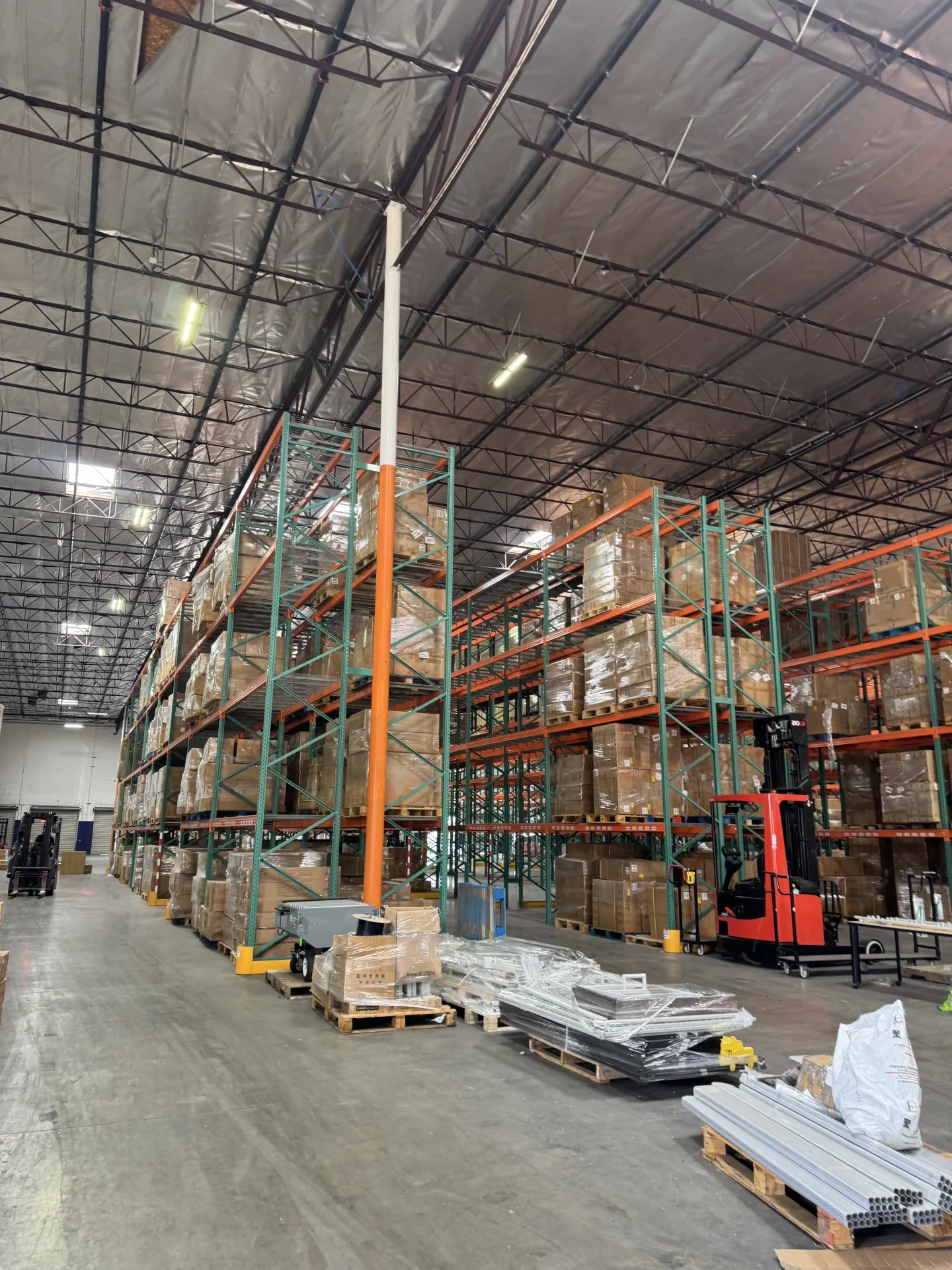
Prepared from the linked primary references and public field research. Field photographs illustrate general handling; worked examples use separate hypothetical figures. Acceptance, charges and destination requirements should be checked against the specific shipment and current operator or authority instructions.