 Skip to content
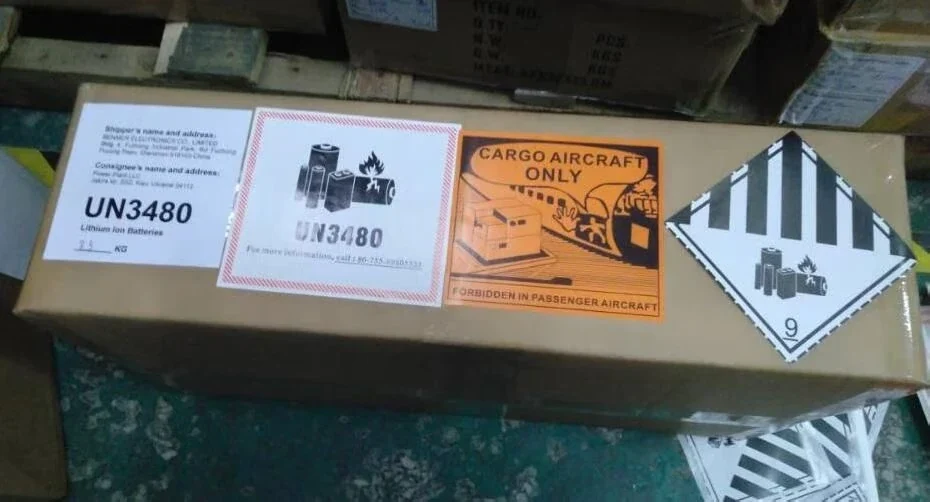
Shipping lithium batteries by air starts with identifying whether batteries travel alone, packed with equipment, or installed in it. Confirm the correct UN classification, then check current IATA requirements and carrier acceptance before booking. Do not treat passenger baggage allowances as cargo permission or assume equipment packaging removes battery restrictions. [1][2][3]
Identify the battery configuration before requesting a quote
For China exporters and overseas buyers, the first useful question is not “What is the air-freight price?” It is “What exactly is inside each package?” IATA identifies battery configuration, rechargeable-battery Watt-hour rating, and non-rechargeable-battery lithium content as factors affecting air carriage. Product names alone do not establish eligibility. [1]
Use the following distinctions to prepare a classification request. They are a starting framework, not a complete dangerous-goods instruction. The supplied guidance distinguishes batteries shipped by themselves from batteries packed with equipment or contained in equipment. The applicable requirements still need confirmation for the actual shipment. [1][2]
| Configuration | What to establish | Classification checkpoint | Common decision error |
|---|---|---|---|
| Standalone batteries | The batteries travel by themselves, rather than with or inside the equipment they power. | Confirm chemistry and the applicable UN entry. The supplied guidance identifies qualifying power banks as UN 3480, lithium-ion batteries. | Calling a power bank an electronic accessory instead of assessing it as a battery. |
| Packed with equipment | Batteries accompany equipment but are not installed in it. | Confirm that the actual packing arrangement fits the proposed classification and current instruction. | Assuming that adding equipment automatically makes a standalone-battery shipment acceptable. |
| Contained in equipment | Batteries are installed in the equipment. | Confirm the chemistry, battery specifications, and applicable equipment-related classification. | Assuming an installed battery removes all air-transport restrictions. |
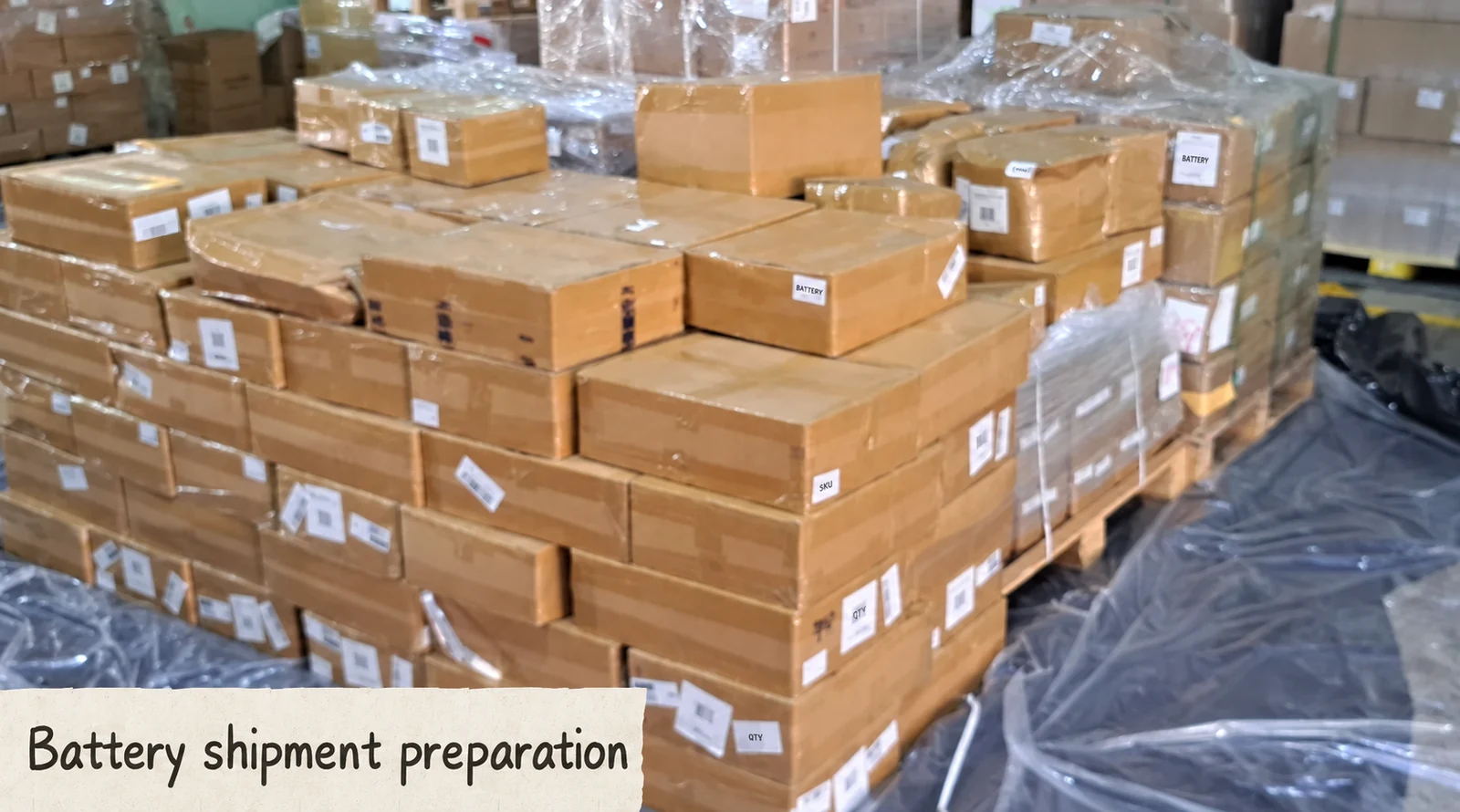
The table is a practical interpretation of the configuration distinctions in the cited references; it does not assign a UN number to every possible product. Obtain shipment-specific confirmation rather than extending the power-bank classification to unrelated equipment. [1][2]
Confirm chemistry and the correct UN classification
Do not use “lithium battery” as the final shipping description. Establish whether the product uses rechargeable lithium-ion batteries or non-rechargeable lithium metal batteries, then identify the configuration. IATA’s overview refers to Watt-hour rating for rechargeable batteries and lithium content for non-rechargeable batteries. These are different assessment inputs. [1]
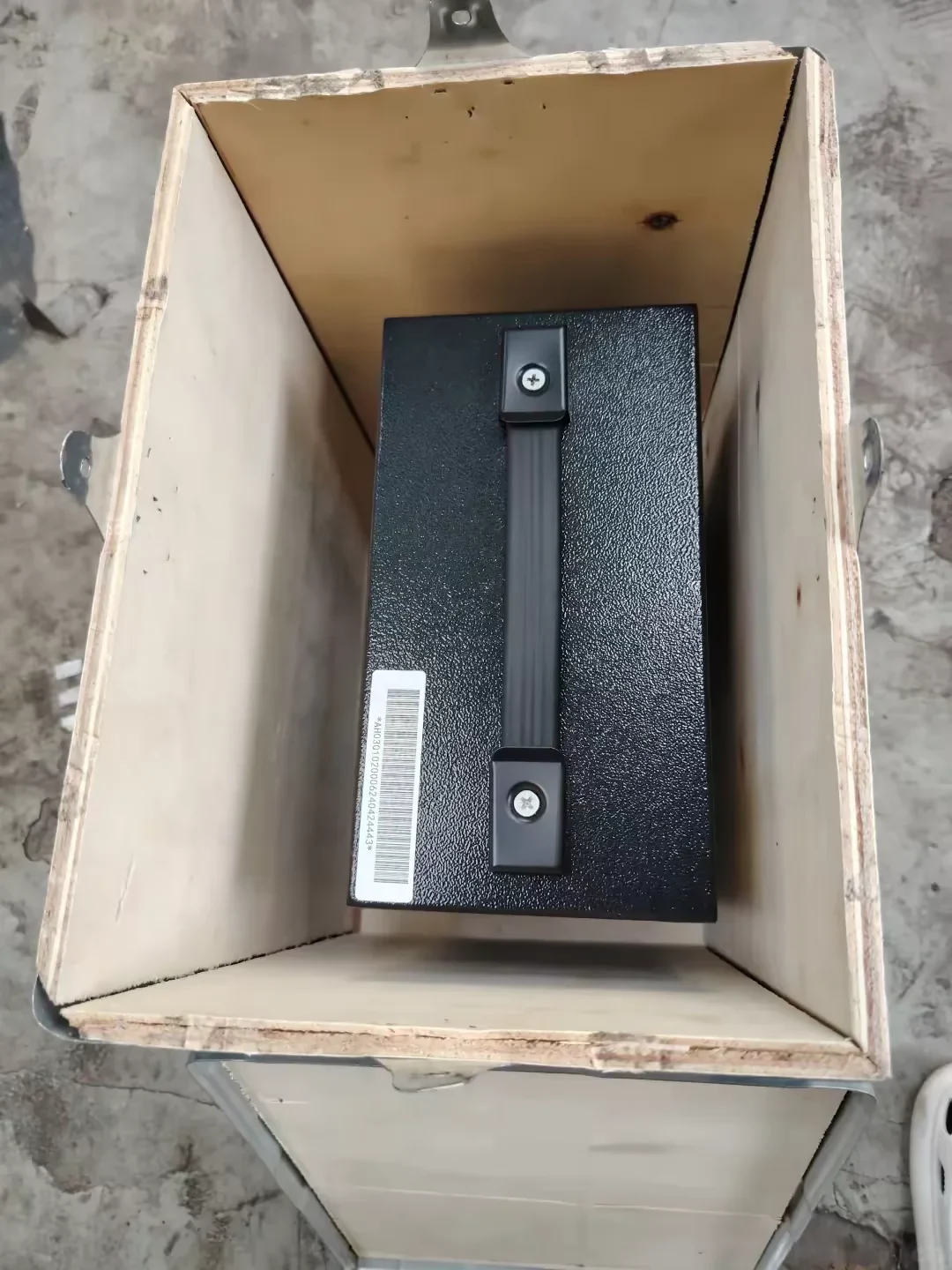
The supplied battery guidance gives a specific example: power banks, assuming they meet UN 38.3, are classified as UN 3480, lithium-ion batteries. It also treats standalone lithium-ion and standalone lithium metal batteries under different packing instructions. This is why a sales description such as “portable charger” cannot replace classification work. [2]
Ask the manufacturer for specifications tied to the exact model being shipped. As a practical recommendation, record model identifiers alongside chemistry, battery rating, configuration, and supporting test information so that the person checking classification can connect the documents to the goods. A generic document for a similar product leaves that connection uncertain. [1][2]
Do not guess a packed-with-equipment or contained-in-equipment UN number from the standalone example. The provided extracts are incomplete and do not establish the correct entry for every combination. Treat missing classification information as a reason to pause and obtain qualified confirmation, not permission to choose the most convenient description. [1][2]
Separate cargo acceptance from passenger baggage guidance
The FAA material includes passenger-oriented battery allowances and examples of everyday dangerous goods in luggage. Those statements should not be converted into a cargo booking rule. IATA’s overview also mentions spare batteries in checked baggage, which addresses a different transport situation from an exporter tendering commercial freight. [1][3]
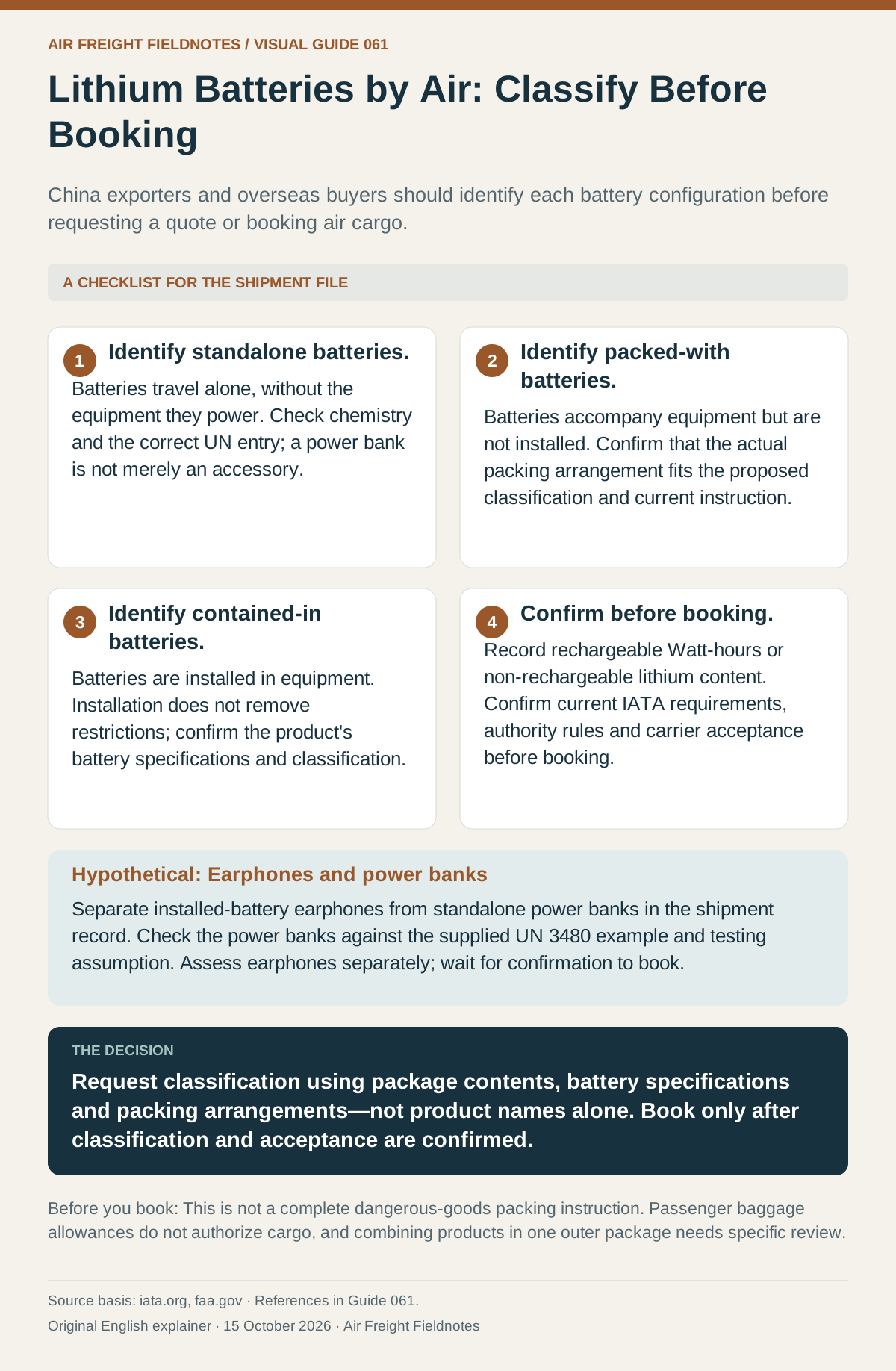
Read the infographic as text
China exporters and overseas buyers should identify each battery configuration before requesting a quote or booking air cargo.
- Identify standalone batteries. Batteries travel alone, without the equipment they power. Check chemistry and the correct UN entry; a power bank is not merely an accessory.
- Identify packed-with batteries. Batteries accompany equipment but are not installed. Confirm that the actual packing arrangement fits the proposed classification and current instruction.
- Identify contained-in batteries. Batteries are installed in equipment. Installation does not remove restrictions; confirm the product's battery specifications and classification.
- Confirm before booking. Record rechargeable Watt-hours or non-rechargeable lithium content. Confirm current IATA requirements, authority rules and carrier acceptance before booking.
Hypothetical: Earphones and power banks Separate installed-battery earphones from standalone power banks in the shipment record. Check the power banks against the supplied UN 3480 example and testing assumption. Assess earphones separately; wait for confirmation to book.
Decision: Request classification using package contents, battery specifications and packing arrangements—not product names alone. Book only after classification and acceptance are confirmed.
This is not a complete dangerous-goods packing instruction. Passenger baggage allowances do not authorize cargo, and combining products in one outer package needs specific review.
The distinction matters because the supplied cargo guidance expressly prohibits standalone lithium metal batteries under Packing Instruction 968 as cargo on passenger aircraft. It separately addresses standalone lithium-ion batteries under Packing Instruction 965. A battery’s presence on a passenger-oriented allowance list therefore does not establish acceptance for a commercial cargo shipment. [2][3]
Before booking, request confirmation against current IATA requirements and the proposed carrier’s acceptance conditions. This is a recommended verification step: the cited guidance explain important distinctions but do not prove that a particular shipment, routing, or packing arrangement is acceptable today. Do not treat a preliminary quote as that confirmation. [1][2]
A useful failure test is to ask what the answer actually covers. “We carry electronics” does not resolve battery configuration. “The rating is small” does not resolve the applicable instruction. “It is installed” does not establish that every relevant requirement has been met. These are practical recommendations from the sources’ configuration-based approach. [1][2]
Use a pre-booking checklist and a decision example
Use this checklist to organize a review, not to replace a dangerous-goods assessment. IATA describes guidance for shippers, forwarders, handlers, and airlines; the supplied material also warns that misunderstanding battery risks can lead to incorrect labeling or handling. [1]
- List every product model and battery type in the proposed shipment.
- Identify standalone, packed-with-equipment, or contained-in-equipment configurations.
- Collect the relevant battery ratings and supporting technical information.
- Have the applicable UN classification checked for each configuration.
- Check current IATA requirements and obtain carrier-specific acceptance confirmation.
- Have packaging, marks, labels, and documentation reviewed under the applicable requirements.
- Recheck the assessment if the goods or packing arrangement changes.
These checklist steps are recommended workflow controls inferred from the sources, not a complete list of legal requirements. They cannot establish acceptance without the shipment details and applicable current instructions. [1][2]
Hypothetical worked decision example: A China exporter proposes one order containing wireless earphones with installed rechargeable batteries and separate power banks. Assume the exporter initially has only product names and a total carton weight. That information is insufficient to confirm classification or acceptance because battery configuration and specifications remain unresolved. [1][2]
The exporter first separates the installed-battery products from the standalone power banks in the shipment record. The power-bank classification can then be checked against the supplied UN 3480 example and its stated testing assumption. The earphones require their own classification confirmation; the power-bank entry should not simply be copied across. [1][2]
The hypothetical decision is to postpone booking until both assessments and carrier acceptance are confirmed. This does not establish that either product is prohibited. It avoids treating an incomplete mixed-product description as an approved shipment. Combining everything in one outer package would also require a specific review, not an assumption of eligibility. [1][2]
Frequently asked questions
Does an installed battery mean the product can travel without restrictions?
No. Configuration is one factor, not an exemption. Confirm the battery specifications, correct classification, applicable current requirements, and carrier acceptance for the actual product and packing arrangement. [1][2]
Is a power bank treated like equipment containing a battery?
Not under the supplied example. It identifies power banks meeting the stated testing assumption as UN 3480, lithium-ion batteries, under standalone-battery guidance. Do not classify one solely by its retail description as an accessory. [2]
Can these extracts serve as complete packing instructions?
No. They provide useful distinctions but are incomplete. Use them to identify questions, then confirm the current applicable instructions and carrier conditions before preparing and tendering the shipment. [1][2]
Sources and further reading
- IATA - BatteriesPrimary source · Retrieved 15 October 2026
- Battery guidance documentPrimary source · Retrieved 15 October 2026
- Lithium Battery Resources | Federal Aviation AdministrationPrimary source · Retrieved 15 October 2026
Field research
- Reddit field research 1Topic discovery and anecdotal context; not evidence of a general rule.
- Reddit field research 2Topic discovery and anecdotal context; not evidence of a general rule.

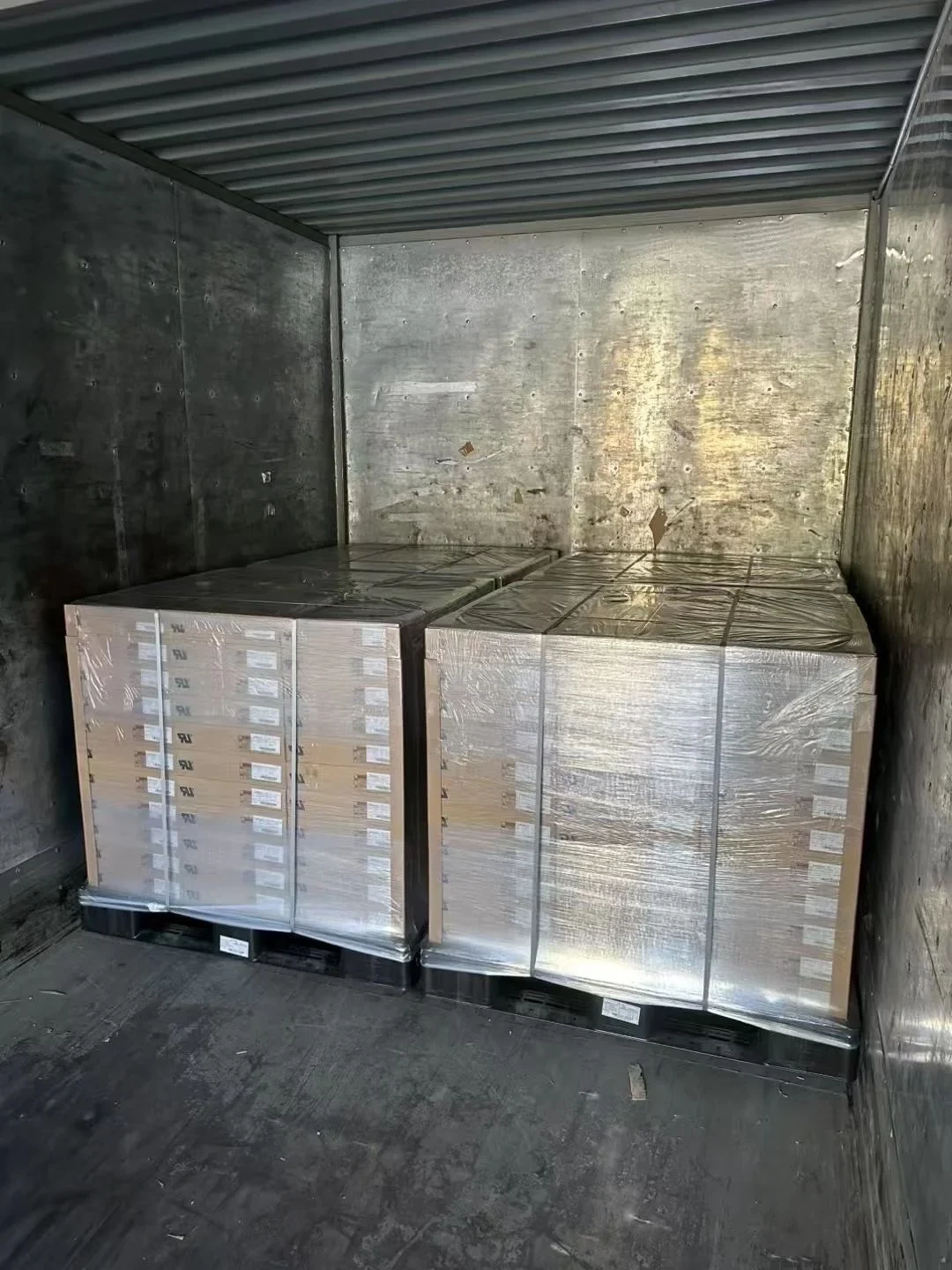
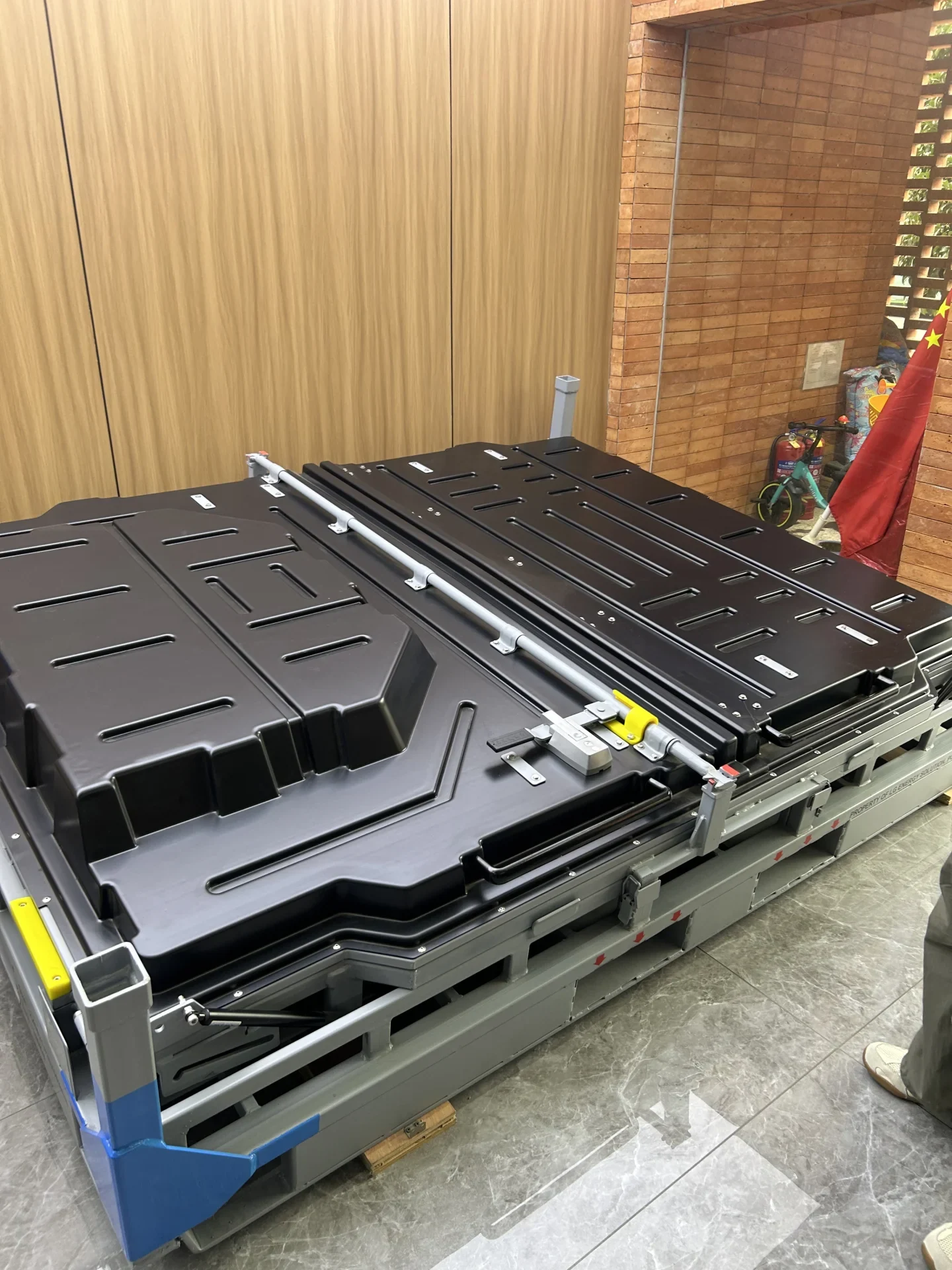
Prepared from the linked primary references and public field research. Field photographs illustrate general handling; worked examples use separate hypothetical figures. Acceptance, charges and destination requirements should be checked against the specific shipment and current operator or authority instructions.