 Skip to content
An air freight forwarder helps organize cargo movement between your China supplier and overseas destination. Choose one by matching shipment needs, service scope, and documented responsibilities—not price alone. For a first shipment, confirm cargo details, compare equivalent quotes, assign customs and delivery tasks, and check progress at each handover. [1][2][3]
1. Understand who does what before requesting a quote
Air cargo is a chain of handovers, not simply a flight booking. IATA describes handling from acceptance at the origin airport through loading preparation, destination unloading, and handover to the consignee or forwarder. Its Master Operating Plan provides a shared description of the end-to-end process. [1]
The following comparison is a practical interpretation of that chain, rather than a statement that every provider offers the same services. IATA identifies forwarders as participants alongside airline cargo operations; the exact division of work should be confirmed in your service agreement. [1][2]
| Party | Main role in your shipment plan | What to verify |
|---|---|---|
| Air freight forwarder | Coordinates the agreed transport services and handovers. | Whether pickup, clearance support, destination handling, and delivery are included. |
| Airline | Provides the air carriage component. | Which carrier and routing are proposed, and how changes will be communicated. |
| Customs broker | Handles agreed customs declaration work under the required authorization. | Who appoints the broker, supplies information, and resolves customs questions. |
| Express courier | Offers a shipment service that may combine several transport and handling functions. | Actual service coverage, shipment eligibility, exclusions, and delivery scope. |
| Consignee or receiving business | Receives the shipment and performs the responsibilities assigned to it. | Receiving details, import arrangements, and availability for delivery. |

Use this as a role-allocation worksheet: one business may perform several functions. Do not assume that hiring a courier, forwarder, or broker automatically makes that provider the importer of record. Ask who will hold that role and confirm the lawful arrangement before shipping. This is a planning safeguard inferred from the need for clear end-to-end handovers, not a country-specific legal determination. [1][2]
2. Map the journey from factory pickup to delivery
Factory readiness and pickup: Start with the actual goods, packaging, collection address, and ready date. Ask the forwarder what information it needs before accepting the shipment. As a practical recommendation, missing cargo details can undermine the service choice because speed, package size, and budget affect which option fits. [3]
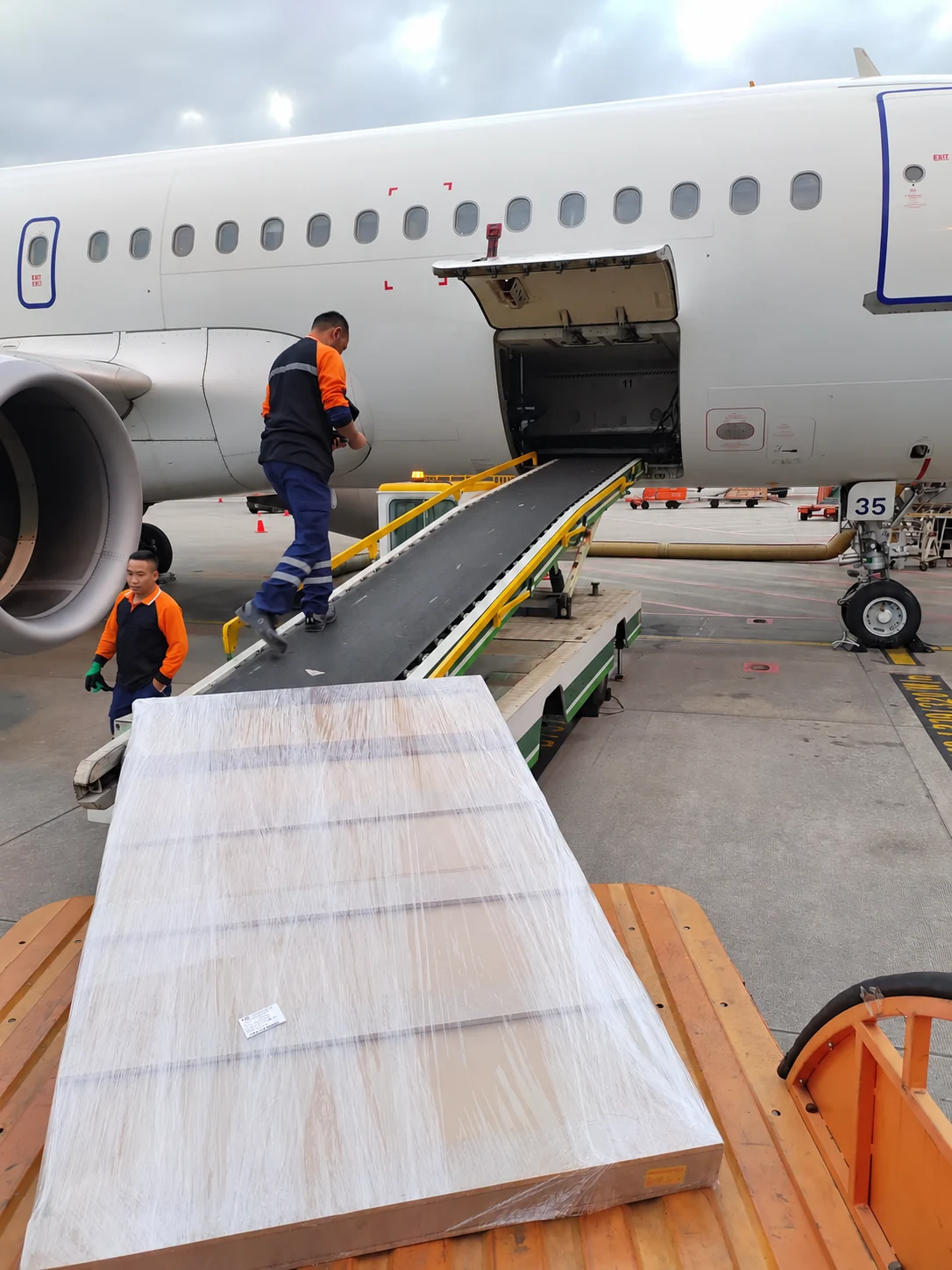
Origin preparation and airport handling: Agree who arranges collection, export formalities, and delivery to the cargo facility. Then distinguish collection from airport acceptance and loading preparation. IATA treats landside cargo processing as a sequence of handling steps; a pickup update alone does not establish that cargo is ready to fly. [1]
Air carriage: Request the proposed routing and ask how the forwarder will report changes. Read status messages literally: “booked,” “received,” and “departed” describe different milestones. The cited references describe a multi-step process, so the practical recommendation is to request evidence of the relevant milestone rather than treating one update as proof of every later step. [1]
Destination handling and delivery: Confirm who manages arrival handling, import clearance coordination, release, and transport to the receiving address. The airport handover described by IATA is not necessarily the same event as delivery to your warehouse. Ask where the quoted service ends and who takes over afterward. [1]
Documents: FedEx describes the air waybill as a shipping document serving as a receipt or contract and containing shipment information. Use it to check shipment details, but do not treat its issue as proof of departure; an AWB can exist before the flight leaves. Confirm movement separately through milestone updates. [1][3]
3. Follow a first-shipment decision map
The map below is a recommended buying method inferred from FedEx’s emphasis on delivery speed, package size, and budget, combined with IATA’s end-to-end handling model. It assumes an ordinary commercial shipment; goods requiring special handling need a separate acceptance review. [1][3]
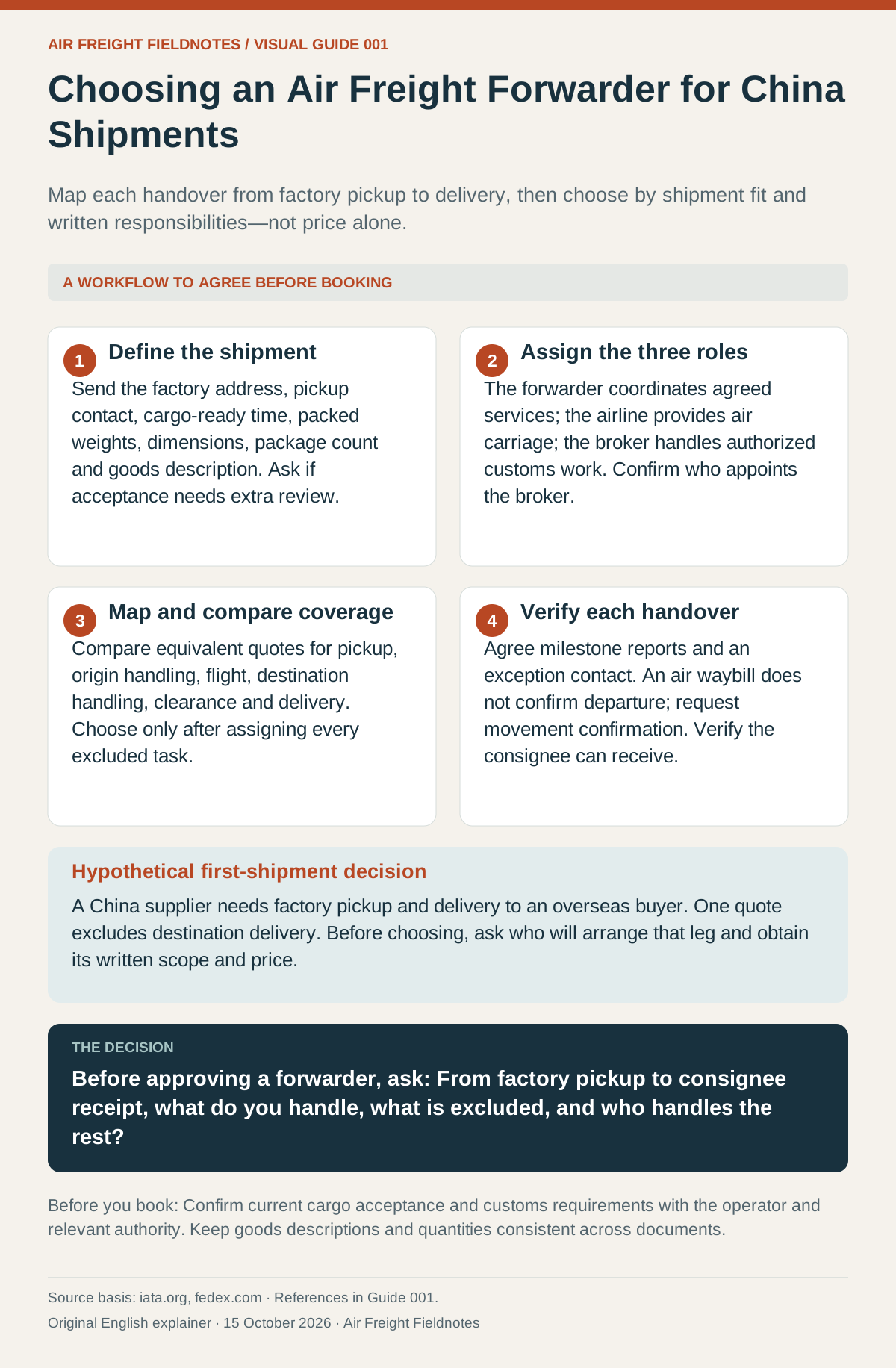
Read the infographic as text
Map each handover from factory pickup to delivery, then choose by shipment fit and written responsibilities—not price alone.
- 1. Define the shipment Send the factory address, pickup contact, cargo-ready time, packed weights, dimensions, package count and goods description. Ask if acceptance needs extra review.
- 2. Assign the three roles The forwarder coordinates agreed services; the airline provides air carriage; the broker handles authorized customs work. Confirm who appoints the broker.
- 3. Map and compare coverage Compare equivalent quotes for pickup, origin handling, flight, destination handling, clearance and delivery. Choose only after assigning every excluded task.
- 4. Verify each handover Agree milestone reports and an exception contact. An air waybill does not confirm departure; request movement confirmation. Verify the consignee can receive.
Hypothetical first-shipment decision A China supplier needs factory pickup and delivery to an overseas buyer. One quote excludes destination delivery. Before choosing, ask who will arrange that leg and obtain its written scope and price.
Decision: Before approving a forwarder, ask: From factory pickup to consignee receipt, what do you handle, what is excluded, and who handles the rest?
Confirm current cargo acceptance and customs requirements with the operator and relevant authority. Keep goods descriptions and quantities consistent across documents.
- Define the need: State the required receiving date and the consequence of delay, rather than requesting “urgent” service without context.
- Describe the cargo: Provide goods descriptions, package counts, packed dimensions, weights, value, and any known handling concerns.
- Choose the service boundary: Decide whether you need airport delivery, destination clearance support, or delivery to the consignee’s address.
- Compare suitable options: Ask whether express or a less time-sensitive air service better fits the shipment.
- Assign each handover: Name the party responsible for documents, customs questions, collection, and receipt.
- Approve only after review: Resolve exclusions and missing responsibilities before authorizing pickup.
For quote comparison, request the same cargo assumptions and delivery scope from each provider. Ask for the charging basis, included services, excluded charges, estimated timing, and conditions that could change the offer. This is a practical recommendation, not a published tariff: a lower figure is not meaningfully comparable if it covers fewer stages. [1][3]
4. Test the choice with a hypothetical shipment
Hypothetical example: A China exporter has six cartons of ordinary clothing samples for an overseas buyer. Assume the goods are accepted for the proposed service, documents are complete, and the buyer has confirmed import arrangements. The buyer needs warehouse receipt before a product review, not merely airport arrival. [1][3]
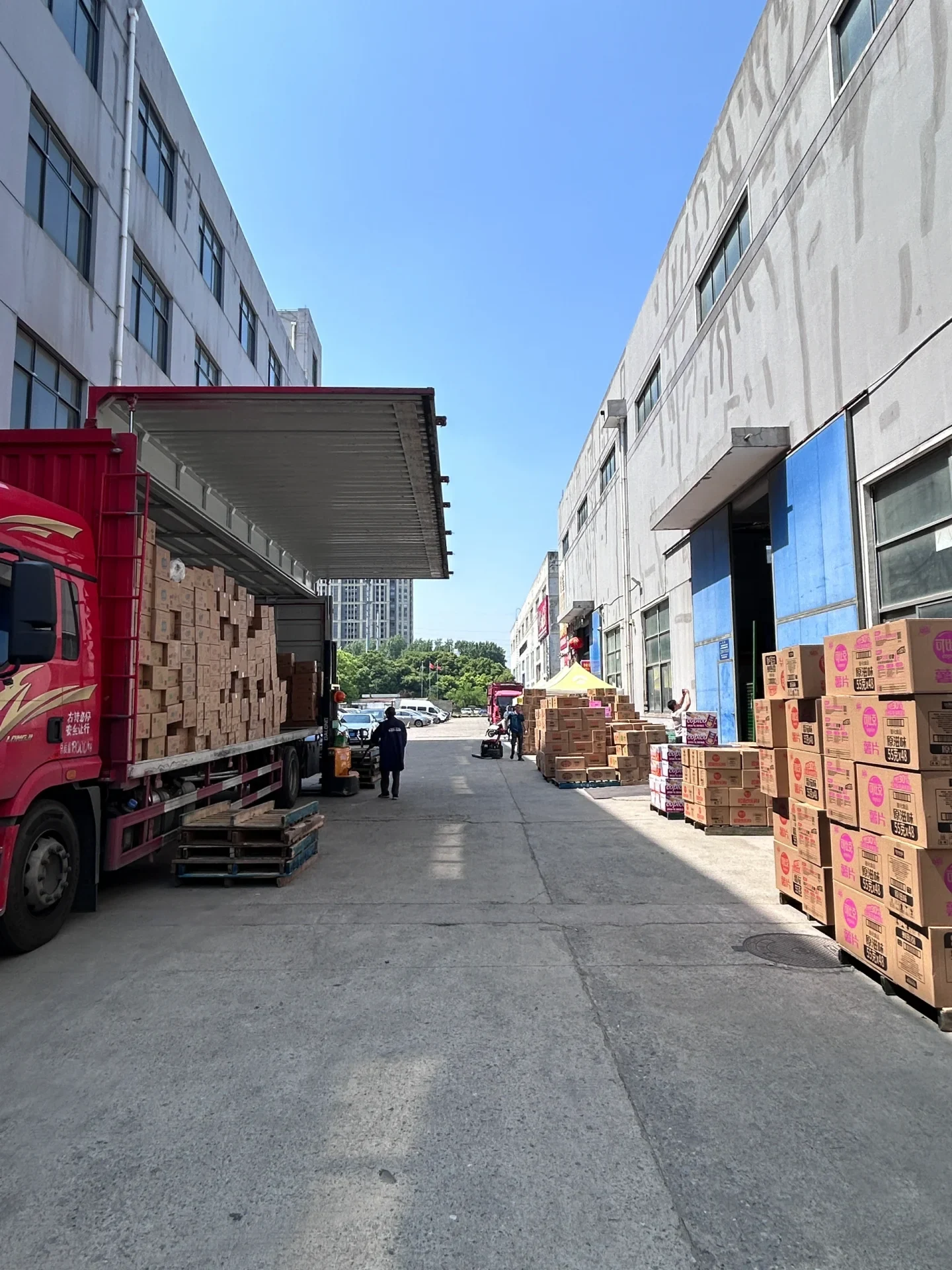
Provider A offers an airport-ending service. Provider B offers a service including destination delivery. The exporter should first ask A to identify the remaining work and its expected cost, then compare both offers on the same receiving-address basis. This hypothetical decision follows the distinction between cargo-facility handover and consignee receipt. [1]
If a suitable express option fits the budget, it may better match the time-sensitive need. If the review date can move, an economy option may be worth considering. Neither choice guarantees arrival: the decision fails if cargo readiness, service acceptance, clearance arrangements, or delivery availability differ from the assumptions. [1][3]
5. Use this pre-pickup checklist
This actionable checklist translates the handling chain and service-selection factors into approval questions. It is a recommended control tool, not a substitute for a provider’s shipment instructions. [1][3]
- Confirm the factory address, pickup contact, and realistic cargo-ready time.
- Send the actual packed weights, dimensions, package count, and goods description.
- Ask whether the goods require additional review before acceptance.
- Check that shipment documents describe the same goods and quantities.
- Confirm the importer arrangements and the party answering customs questions.
- Obtain a written quote showing service boundaries and exclusions.
- Agree which milestones will be reported and who handles exceptions.
- Verify the consignee’s address, contact details, and receiving availability.
- Keep the approved quote, instructions, and shipment records together.
6. Frequently asked questions
Do I need a forwarder or an express courier?
Compare the shipment’s speed requirement, package size, budget, and required delivery scope. FedEx presents express and economy air services as different choices for different needs. Ask each provider to explain its actual coverage rather than choosing by the business label alone. [3]
Does an air waybill mean my cargo has departed?
No. It documents shipment information and the shipping relationship, but issuance is not departure confirmation. Request the movement milestone separately; the handling chain includes several stages before loading and onward transport. [1][3]
What is the most useful question to ask a new forwarder?
Ask: “From factory pickup to consignee receipt, what do you handle, what is excluded, and who handles the rest?” This recommended question exposes gaps in the chain before they become unresolved handovers. [1][2]
Sources and further reading
- IATA - What to Know About Air Cargo HandlingPrimary source · Retrieved 15 October 2026
- IATA - Freight ForwardersPrimary source · Retrieved 15 October 2026
- Air Freight 101: A Simple Guide For SMEs | FedEx Hong Kong SAR, ChinaPrimary source · Retrieved 15 October 2026
Field research
- Reddit field research 1Topic discovery and anecdotal context; not evidence of a general rule.
- Reddit field research 2Topic discovery and anecdotal context; not evidence of a general rule.
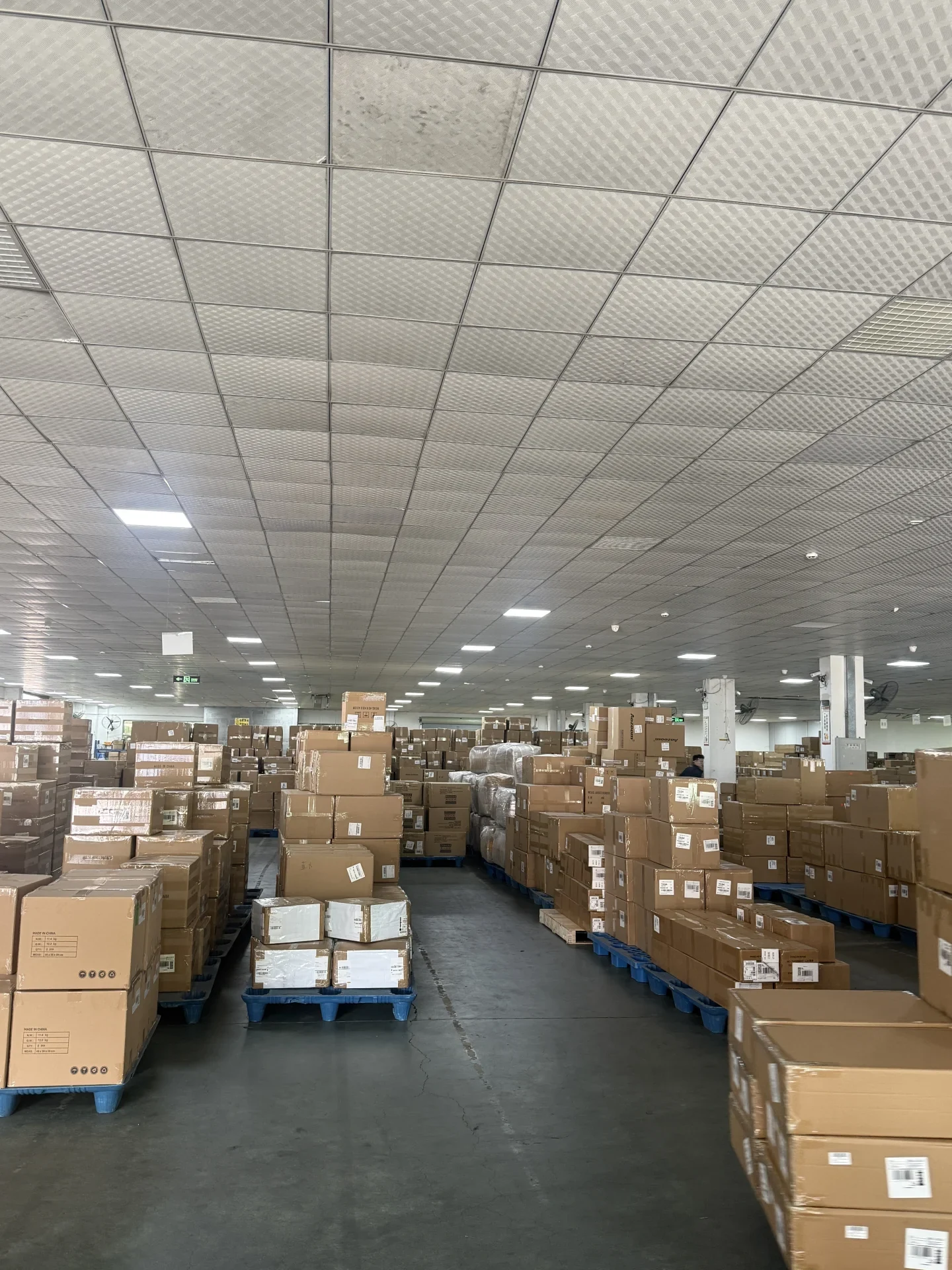
Prepared from the linked primary references and public field research. Field photographs illustrate general handling; worked examples use separate hypothetical figures. Acceptance, charges and destination requirements should be checked against the specific shipment and current operator or authority instructions.